When you think of a practical, durable rug, does a boring, flat mat come to mind? It’s time to rethink that. A low pile rug is one of the most versatile tools in a decorator’s kit, proving that you don’t have to sacrifice style for function. With their crisp patterns and rich colors, these rugs provide a clean, sophisticated foundation for any room, from a minimalist living area to a busy family space. They are the perfect solution for anyone who wants a beautiful home that’s also easy to live in. Let's explore why this hardworking rug might be your perfect match.
Key Takeaways
- Choose low pile for durability and easy cleaning: These rugs are the perfect solution for high-traffic areas like hallways and living rooms because their short, dense fibers resist crushing and make vacuuming simple.
- Style meets function in any room: A low pile rug’s sleek profile complements any decor and provides a smooth, stable surface, making it ideal for under dining tables and office chairs.
- Select a material that fits your life: Match the fiber to your household's needs—synthetics like nylon and polyester offer excellent stain resistance for homes with kids and pets, while natural wool provides timeless softness.
What Exactly Is a Low Pile Rug?
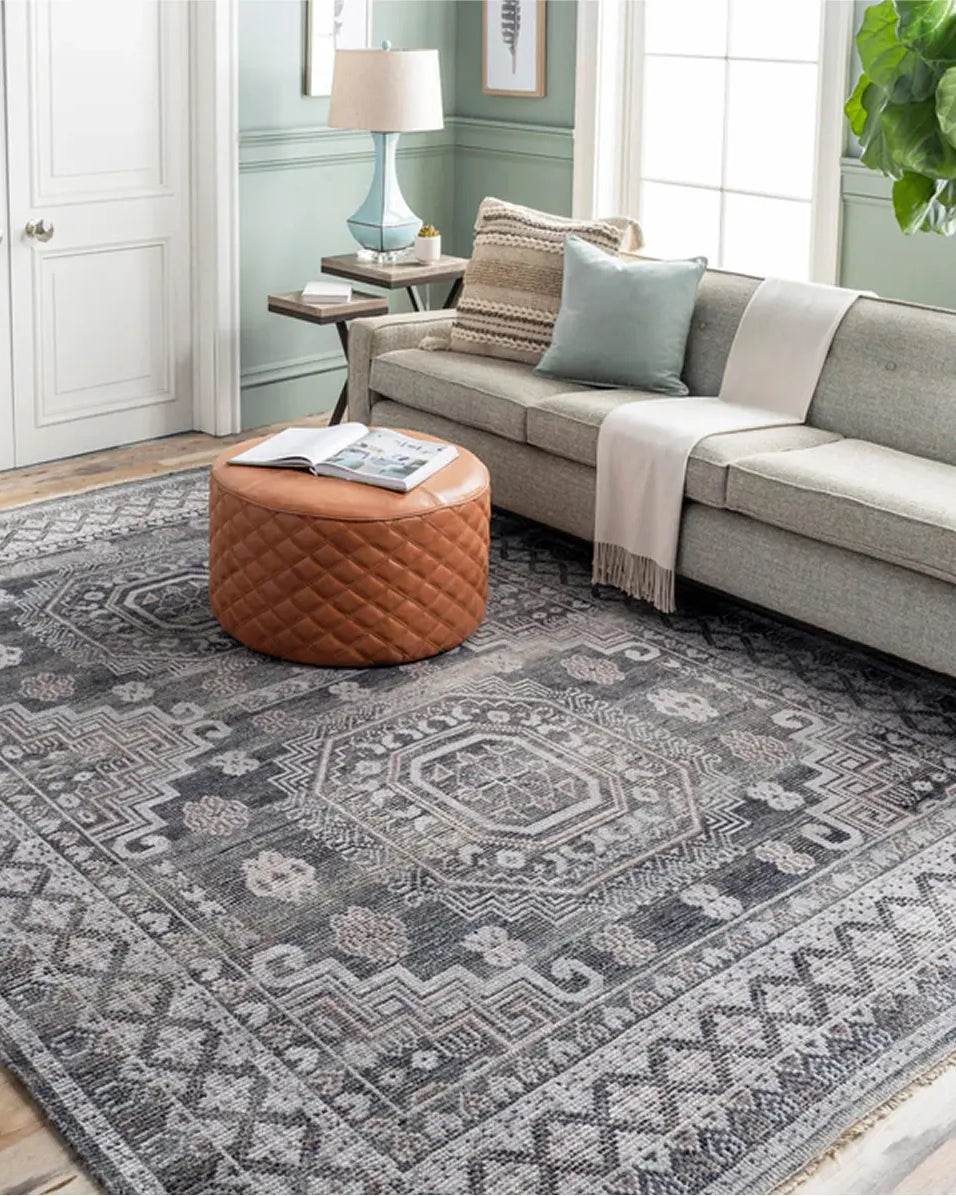
When you’re shopping for area rugs, you’ll see the term “pile” used a lot. It sounds technical, but it’s simply the word for the fibers that make up the rug’s surface. A low pile rug has short, dense fibers, giving it a smooth, flat profile. Think of a classic Persian-style rug or a durable entryway mat—those are typically low pile. They are created with tight loops or fibers that are cut short, which gives them their characteristic sturdiness. This construction makes them a practical and stylish choice for many different spaces in your home, from the living room to the office.
Let's Talk Pile Height
So, how short is "low pile"? Generally, the fibers on a low pile rug are less than a quarter-inch high. This short stature is what makes them feel so dense and solid underfoot. Because the fibers are tightly woven and short, they don't have much room to bend or crush, which helps them stand up to heavy foot traffic without showing wear and tear. This structure also means dirt and debris tend to sit on the surface instead of getting trapped deep within the fibers, which is a major win for easy cleaning.
Common Materials You'll Find
Low pile rugs come in a wide variety of materials, both natural and synthetic. You’ll often find them in durable options like wool, which is naturally resilient and soft, or synthetics like nylon and polypropylene, which are known for their stain resistance and affordability. Many beautiful hand-woven flatweaves, such as kilims and dhurries, are also low pile. These rugs have no pile at all and are woven flat, making them incredibly durable and reversible. Many modern washable rugs also feature a low-pile construction, making them a fantastic, practical choice for busy households.
The Pros and Cons
Choosing a low pile rug comes with some clear advantages. Their biggest selling point is durability. The short, dense fibers can handle a lot of activity, making them perfect for high-traffic areas. They are also incredibly easy to clean since dirt and spills can’t penetrate deeply. On the flip side, low pile rugs offer less cushioning than their high-pile counterparts. They don’t have that plush, sink-your-toes-in feeling, so they might not be the coziest option for a bedroom floor. They also provide less sound insulation, which is something to consider for apartments or second-story rooms.
Why a Low Pile Rug Might Be Perfect for You
While a plush, shaggy rug feels amazing underfoot, it’s not always the most practical choice for every room. That’s where the low pile rug comes in. These rugs are the unsung heroes of home decor, offering a fantastic blend of durability, style, and easy maintenance. If you have a busy household with kids, pets, or lots of foot traffic, a low pile rug might just be the perfect foundation for your space. Let’s look at a few reasons why these versatile rugs deserve a spot in your home.
They're Built to Last
One of the biggest advantages of a low pile rug is its durability. The tightly woven, short fibers are incredibly resilient and resist crushing, matting, and wear over time. This construction means they can handle the daily demands of your busiest spaces, from the front entryway where everyone kicks off their shoes to the hallway that sees constant foot traffic. You won't have to worry about creating permanent furniture dents or worn-out paths. These rugs are built to hold up well to lots of use, making them a smart, long-term investment for any active home.
They're Incredibly Easy to Clean
If you dread cleaning day, a low pile rug will be your new best friend. Because the fibers are short and dense, dirt, dust, and pet hair tend to sit right on the surface instead of getting trapped deep within the rug. This makes vacuuming a breeze and far more effective. Spills are also less of a catastrophe, as you can often blot them up before they have a chance to soak in. For the ultimate in easy cleaning, many of our washable rugs feature a low-pile design, so you can just toss them in the machine.
A Smart Choice for Allergy Sufferers
Creating a healthy home environment is a priority for many of us, and your choice of rug can play a surprising role. High pile or shaggy rugs can act like magnets for dust, pollen, and pet dander, which can be a nightmare for anyone with allergies or asthma. Low pile rugs, on the other hand, are less likely to hold onto these common allergens. Their tight weave makes it harder for particles to embed themselves, which can help improve your home's air quality and keep those seasonal sniffles at bay.
They Work With Any Decor Style
Low pile rugs are the chameleons of the design world—they fit in just about anywhere. Their sleek, unobtrusive profile provides a clean foundation that lets your furniture and other decor shine. In minimalist or modern spaces, a low pile rug adds texture and warmth without creating visual clutter. They also allow intricate patterns and bold colors to appear crisp and well-defined. Whether your style is contemporary, traditional, or bohemian, you can find a beautiful area rug with a low pile that perfectly complements your vision.
Great Style on a Budget
You don't have to spend a fortune to get a rug that looks great and lasts for years. Low pile rugs are often more affordable than their high-pile counterparts because their construction typically requires less material and time to produce. This makes them a fantastic option if you're decorating on a budget or want to be able to switch up your style more frequently. You can find a huge variety of affordable, durable rugs that can really go the distance, proving that great design can also be a smart financial decision.
Where Do Low Pile Rugs Work Best?
One of the best things about low pile rugs is their incredible versatility. Because they are so durable and easy to maintain, they can find a home in almost any room. But there are a few places where they don't just work—they truly shine. If you're trying to figure out where a low pile rug would fit in your home, think about the spaces that see the most action. From busy entryways to spill-prone dining rooms, these rugs are designed to handle the demands of daily life without sacrificing style. Let's look at the ideal spots for a low pile rug.
In Your Busiest Hallways and Entryways
Hallways, mudrooms, and entryways are the superhighways of your home. These areas see constant foot traffic, which means any rug you place there needs to be tough. Low pile area rugs are perfect for these high-traffic zones because their short, dense fibers can withstand repeated wear without getting crushed or matted. They create a welcoming first impression while trapping dirt at the door. Plus, their low profile means you won't have to worry about doors getting stuck or creating a tripping hazard—a small but important detail for a busy household.
Under Dining Tables and Office Chairs
Placing a rug under a dining table can define the space beautifully, but a high pile rug can be a nightmare for cleanup and chair movement. A low pile rug is the perfect solution. Chairs slide in and out with ease, so your family and guests can sit down without a struggle. More importantly, the tight weave makes cleaning up crumbs and spills much simpler. The same logic applies to a home office. An office chair can roll smoothly across a low pile surface, protecting your floors without getting tangled in long fibers.
In Family Rooms and Kids' Spaces
Family rooms and playrooms are where life happens, and that often means messes. Low pile rugs are a parent's best friend in these spaces. They are incredibly easy to vacuum, so cleaning up after snack time or a craft session is a breeze. For ultimate peace of mind, consider one of the many washable rugs available. Low pile rugs also provide a soft surface for kids to play on, but they're firm enough that building blocks won't topple over and toy cars can race without hitting a snag. It's the perfect blend of comfort and practicality.
For Both Indoor and Outdoor Living
The durability of low pile rugs, especially those made from synthetic materials like polypropylene, makes them fantastic for both indoor and outdoor spaces. A flatweave rug can create a seamless transition from your living room to your patio, defining an outdoor seating area and adding a touch of comfort underfoot. Because they don't have a tall, plush pile, they are less of a tripping hazard, making them a great choice for homes with small children or family members who use mobility aids. They provide a stable, easy-to-navigate surface for everyone.
A Quick Guide to Low Pile Rug Materials
The material of your rug is just as important as its color and pattern. It determines how the rug feels, how it wears over time, and how easy it is to clean. Low pile area rugs come in a variety of natural and synthetic fibers, each with its own unique personality. Let’s break down some of the most common materials you’ll encounter so you can find the perfect match for your home.
Nylon: The All-Around Durable Choice
If you’re looking for a rug that can handle just about anything, nylon is your best friend. It’s one of the most popular choices for a reason: it’s incredibly strong and built to last. Nylon fibers are resilient, meaning they bounce back easily from crushing under furniture or heavy foot traffic. They also hold up well against fading, stains, and mildew, making them a fantastic, low-maintenance option for busy households. For entryways, hallways, or family rooms, a nylon rug is a smart, practical investment that will look great for years.
Wool: The Timeless, Natural Option
There’s a certain warmth and luxury that only a wool rug can provide. As a natural fiber, wool feels wonderfully soft underfoot and has a rich, high-end look. It’s also surprisingly durable and can stand up to a lot of foot traffic, which is why wool rugs often become family heirlooms. The main thing to keep in mind is that wool requires a bit more care. It’s more absorbent than synthetic fibers, so spills should be cleaned quickly. Many harsh cleaning chemicals can also damage the fibers, so gentle, specialized cleaning is key to keeping it beautiful.
Polyester: For Softness and Stain Resistance
Polyester rugs offer a great combination of softness, vibrant color, and impressive stain resistance. The fibers are non-absorbent, which means spills from liquids often sit on the surface, giving you time to clean them up before they set. This makes polyester a great choice for dining rooms or kids' play areas. Many modern washable rugs are made from polyester blends for this very reason. While it’s not quite as resilient as nylon, it provides excellent value and comfort, especially in rooms that don’t get direct, intense sunlight, as some polyester dyes can fade over time.
Olefin: The Budget-Friendly Workhorse
Olefin (also known as polypropylene) is a synthetic fiber that delivers serious performance without the high price tag. It’s extremely durable, moisture-resistant, and holds its color exceptionally well, even when exposed to sunlight. This makes it a fantastic material for both indoor and outdoor rugs. While it may not feel as soft as wool or polyester, its strength and resistance to staining and fading make it a workhorse for the busiest areas of your home. If you need a rug that can stand up to pets, kids, and constant traffic, olefin is an excellent and affordable choice.
How to Choose the Right Material for You
Feeling a little overwhelmed by the options? Just take a moment to think about your space and your lifestyle. First, consider the amount of foot traffic the room gets. A busy hallway needs something more durable, like nylon or olefin, while a quiet bedroom could be perfect for soft wool. Think about who uses the room—do you have kids or pets? Stain-resistant materials like polyester or nylon might be your best bet. Finally, consider how the room is used. A dining room needs a rug that’s easy to clean, while a cozy living room is all about comfort.
How to Choose the Perfect Low Pile Rug
Finding the right low pile rug feels like discovering the missing piece of your room's puzzle. It ties everything together, adding warmth, color, and texture without overwhelming the space. But with so many options, how do you pick the one that’s just right? It comes down to a few key things: getting the size right for your room, picking a material that fits your life, finding a style you love, setting a budget, and knowing what a quality rug looks like. Let’s walk through each step so you can feel confident in your choice.
Get the Size Just Right for Your Space
The size of your rug can completely change the feel of a room. For a very large living room, think of the rug as a centerpiece. An extra-large rug in the middle of the floor with your sofas and chairs placed just off its edges creates a grand, defined seating area. In a smaller living room, you can use a rug to make the space feel cozier. Try placing the front legs of your biggest furniture pieces, like your sofa, directly on the rug. This anchors the room and creates a clear, unified zone for your furniture, making everything feel more connected.
Match the Material to Your Lifestyle
Your lifestyle plays a huge role in choosing the right rug material. Low pile rugs are fantastic for high-traffic areas like hallways, entryways, and living rooms because they are so durable. Their short, dense fibers don’t trap as much dirt or dust, which is a game-changer for homes with pets, kids, or anyone with allergies. This construction also makes them incredibly simple to clean. If you’re looking for a rug that can handle daily life with ease, a low pile design is a smart choice. Many are even machine-washable rugs, offering the ultimate convenience.
Find a Color and Pattern You'll Love
This is the fun part! The color and pattern of your rug set the tone for the entire room. If your style is more minimalist, a low pile rug in a solid shade or one with a subtle linear pattern can add texture without creating visual clutter. For spaces with modern furniture and neutral walls, a rug with a cool geometric pattern or bold monochrome stripes can provide a pop of personality and visual interest. Think about whether you want your area rug to be a quiet, supporting element or the star of the show, and choose a design that reflects that.
Plan Your Budget
Low pile rugs are available at nearly every price point, which is great news for any budget. You can find stylish and durable options that are very affordable, as well as high-end designer pieces made from premium materials like wool. Before you start shopping, it’s helpful to have a price range in mind. The cost is often influenced by the material, size, and how the rug was made (for example, machine-made versus hand-woven). By setting a budget beforehand, you can narrow your search and focus on finding the best quality rug you can for what you want to spend.
Know the Signs of a Quality Rug
A well-made rug will look great and last for years. With low pile rugs, look for a dense weave. The fibers should be tight and firm, which means they’ll stand up better to foot traffic and furniture. Because they are made with shorter fibers, quality low pile rugs rarely have loose ends that could cause trips or snags, making them a safer option for busy households. When shopping, read product descriptions carefully and check customer reviews. A durable, affordable rug that can truly go the distance is an investment in your home’s comfort and style.
Low Pile vs. High Pile: What's the Difference?
When you're shopping for a new rug, one of the first terms you'll encounter is "pile." It simply refers to the density and length of the fibers in a rug. A low pile rug has short, tight fibers, creating a smooth surface, while a high pile rug has long, loose fibers for a shaggier look and feel. Choosing between them comes down to your lifestyle, where the rug will go, and the look you want to achieve. Let's break down the key differences to help you decide which one is the right fit for your home.
Durability: Which One Lasts Longer?
When it comes to standing up to daily life, low pile rugs are the clear winner. Their short, tightly packed fibers create a firm and resilient surface that holds up incredibly well to foot traffic. This structure prevents the fibers from being easily crushed or matted down, which is why they look great for years, even in the busiest parts of your home. High pile rugs, with their long, plush fibers, are more susceptible to showing wear and tear from constant use. If you're looking for durable area rugs that can handle everything from kids and pets to dinner parties, a low pile design is your most reliable choice.
Maintenance: Which Is Easier to Clean?
If you dread cleaning, you'll love a low pile rug. Because the fibers are short and dense, dirt, dust, and pet hair tend to sit right on the surface, making them incredibly easy to vacuum. Spills are also less of a disaster, as they don't soak in as quickly, giving you more time to clean them up before a stain sets. For the ultimate easy-clean solution, many washable rugs feature a low pile. High pile rugs, on the other hand, can trap debris deep within their long fibers, requiring more effort and specialized vacuum attachments to keep them looking fresh.
Cost: How Do the Prices Compare?
Generally, low pile rugs are more budget-friendly than their high pile counterparts. The main reason is that they require fewer materials and are often simpler to produce. This makes them a fantastic option if you want to refresh your space without a huge investment. Of course, the final price tag always depends on factors like the material (wool will cost more than polypropylene), the brand, and the complexity of the design. However, if you're comparing two rugs of similar size and quality, the low pile version will almost always be the more affordable choice, giving you great style for less.
Use Case: Choosing the Right Rug for the Right Room
The best rug for a room really depends on how you use the space. For high-traffic areas like hallways, entryways, living rooms, and under your dining table, a low pile rug is the most practical option. Its durability and ease of cleaning make it perfect for places where people walk, eat, or play. A high pile rug is better suited for low-traffic spaces where you want to add a touch of cozy luxury, like a bedroom or a formal sitting area. Think about the function of the room first, and it will guide you to the perfect pile height.
How to Care for Your Low Pile Rug
One of the best things about low pile rugs is how simple they are to maintain. You don’t need a complicated cleaning schedule or special equipment to keep them looking fantastic. Because their short fibers don't trap as much dirt or dust, a little bit of regular care goes a long way. With just a few easy habits, you can ensure your rug stays fresh and beautiful for years, even in the busiest parts of your home. Think of it less as a chore and more as a simple routine to protect your investment and keep your space feeling clean and welcoming.
Your Simple Day-to-Day Cleaning Routine
Keeping your low pile rug clean is refreshingly straightforward. For most area rugs, a quick vacuum once or twice a week is all you need to pick up daily dust and debris. If your vacuum has a beater bar, make sure to set it to a high pile setting or turn it off completely to avoid pulling at the rug’s fibers. For smaller rugs, you can also take them outside for a good shake to dislodge any trapped dirt. This simple routine prevents buildup and keeps the colors and pattern of your rug looking their best without much effort.
How to Tackle Spills and Stains Fast
Accidents happen, but low pile rugs have a secret weapon: their dense, short fibers. They don't soak up spills as easily as their high-pile cousins, which means stains are less likely to set if you act quickly. The moment a spill occurs, grab a clean, dry cloth and blot the area—never rub, as that can push the liquid deeper into the fibers. For tougher spots, a simple solution of mild dish soap and water is often effective. For homes with kids or pets, investing in washable rugs can make cleanup even more stress-free.
When to Call in a Professional Cleaner
Even with the best care, there might come a time when a deep clean is in order. For very stubborn stains or just to refresh a rug that’s seen a lot of foot traffic, consider hiring a professional cleaner who specializes in rugs. They have the right tools and expertise to safely and effectively remove deep-seated dirt without damaging the fibers or color. Think of it as a spa day for your rug. Scheduling a professional cleaning every year or two is a great way to extend its life and restore its original vibrancy, especially for rugs in high-traffic zones like the living room or entryway.
The Right Way to Store Your Rug
If you need to store your rug for any reason, whether you’re moving or just redecorating for the season, how you store it matters. Always roll your rug up instead of folding it to prevent permanent creases and damage to the backing. Make sure the pile is facing inwards as you roll to protect the fibers. Once it’s rolled, secure it with a few ties and wrap it in a breathable fabric, like a cotton sheet, to keep dust off while allowing air to circulate. Store it in a dry, cool place off the floor to keep it safe until you’re ready to use it again.
Ready to Shop? Here's Your Checklist
Feeling confident about finding the perfect low pile rug? That’s great! Before you click "add to cart," running through a final checklist can ensure you’re making a choice you'll love for years. Think of this as your last-minute gut check to confirm the rug you’ve picked is the right size, material, and style for your home and lifestyle. It’s all about making sure the details match your expectations so you can unroll your new rug with a smile.
How to Read the Product Details
When you’re comparing different area rugs, the product description is your best friend. Look for key terms like "pile height," "material," and "construction." For low pile rugs, you’ll want to confirm they have "short, tightly packed fibers, making a smooth and firm surface," which is exactly what you need for durability and easy cleaning. Pay attention to the construction method—is it machine-made, hand-tufted, or hand-knotted? This detail often influences the rug's texture, longevity, and price. Also, check the care instructions to make sure they fit with your routine.
What to Expect on the Price Tag
Rug prices can vary quite a bit, and it’s helpful to know what influences the cost. The biggest factors are usually size, material, and brand. A large, hand-knotted wool rug will naturally have a higher price point than a smaller, machine-made synthetic one. To get a general idea, budget-friendly options can start as low as $40, while high-end designer rugs can run into the thousands. Knowing what you’re comfortable spending will help you narrow down your options and find a beautiful rug that feels like a great value for your home.
Why the Warranty Matters
A warranty is essentially a promise from the manufacturer about the quality of their product, and it’s something you should definitely look for. Low pile rugs are known for being tough and holding up well under heavy foot traffic, but having a warranty provides an extra layer of security. It protects your purchase against manufacturing defects and gives you peace of mind, especially when you’re investing in a larger or more expensive piece. Think of it as a safety net that ensures your new rug will continue to look great in your home.
Where to Find the Best Selection
To find the perfect rug, you need options. Shopping at a retailer with a wide variety of styles makes it much easier to find one that fits your vision. Look for a curated collection of low pile rugs that are durable, easy to maintain, and available in a range of colors and materials. Having access to top brands like Safavieh, Surya, and Loloi in one place saves you time and helps you compare different designs side-by-side. This way, you can confidently choose a rug that truly completes your space.
Related Articles
- The Ultimate Guide to Washable Rugs 8x10
- How to Choose the Perfect Living Room Area Rug
- 5 Best Non-Slip Rug Pads for Carpet in 2025
Frequently Asked Questions
Are low pile rugs actually comfortable to sit or walk on? This is a great question because comfort is so personal. While a low pile rug doesn't have that sink-your-toes-in plushness of a shag rug, it offers a different kind of comfort. The surface is smooth, soft, and stable underfoot, which feels great to walk on. It also provides a firm, even surface that’s perfect for a home office chair to roll on or for kids to build block towers without them toppling over. Think of it as a supportive comfort that’s practical for everyday life.
Since they're often more affordable, do low pile rugs look cheap? Not at all! The price of a rug is more about the materials and construction than the pile height. A beautifully designed low pile rug made from quality materials like wool or densely woven synthetics can look incredibly high-end and sophisticated. The key is to look for a tight, dense weave and a pattern or color that feels intentional. A well-chosen low pile rug provides a clean, tailored foundation that makes the entire room look more put-together.
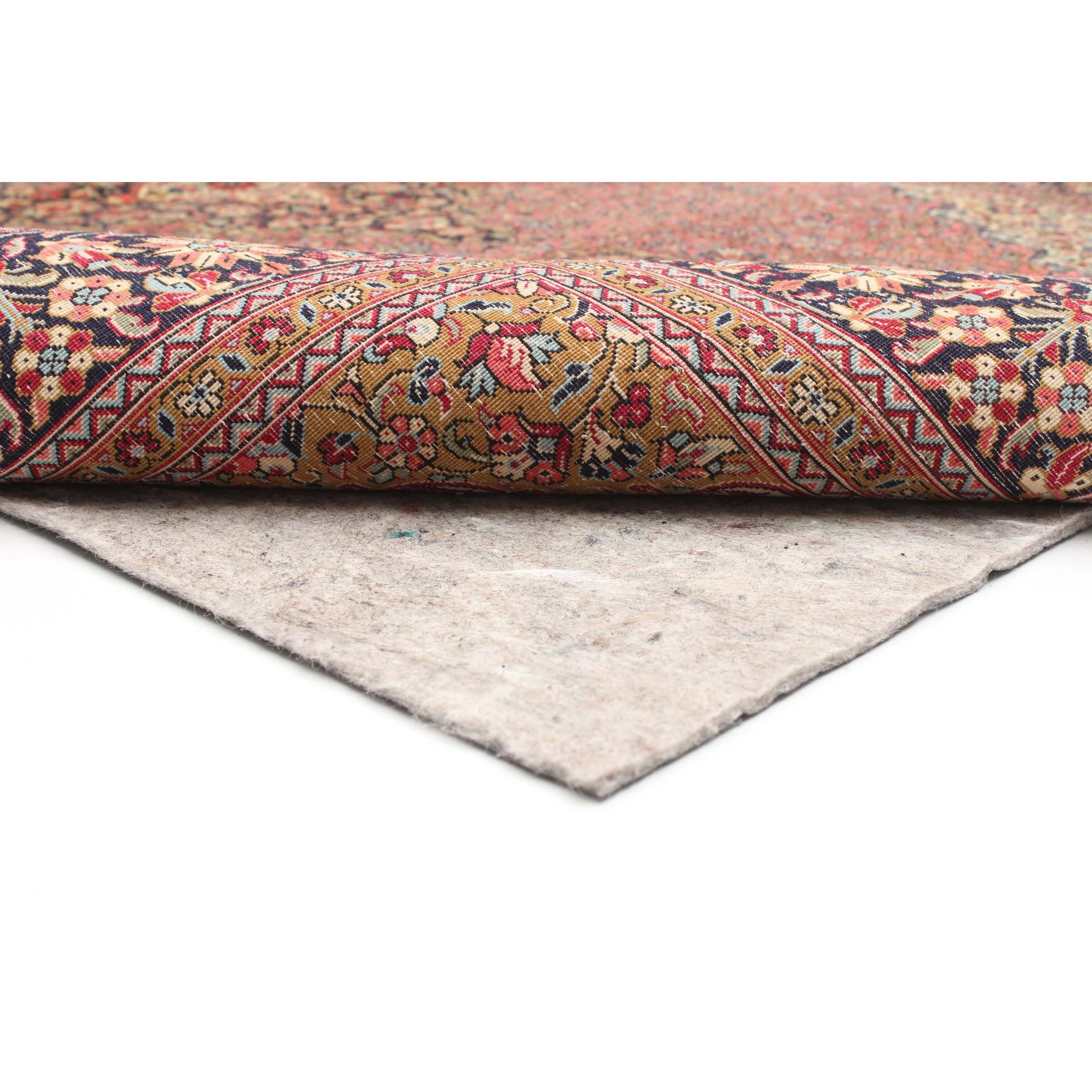
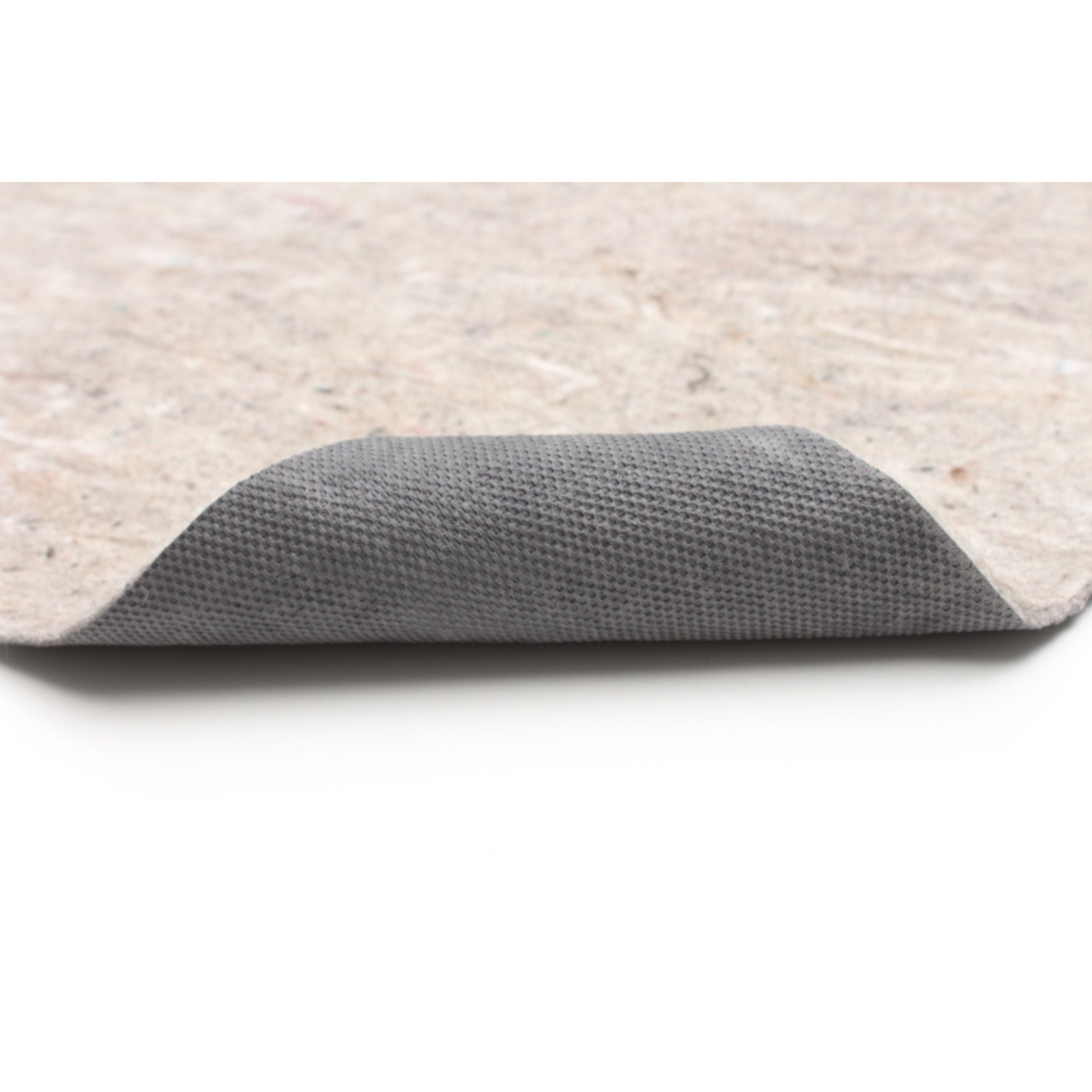
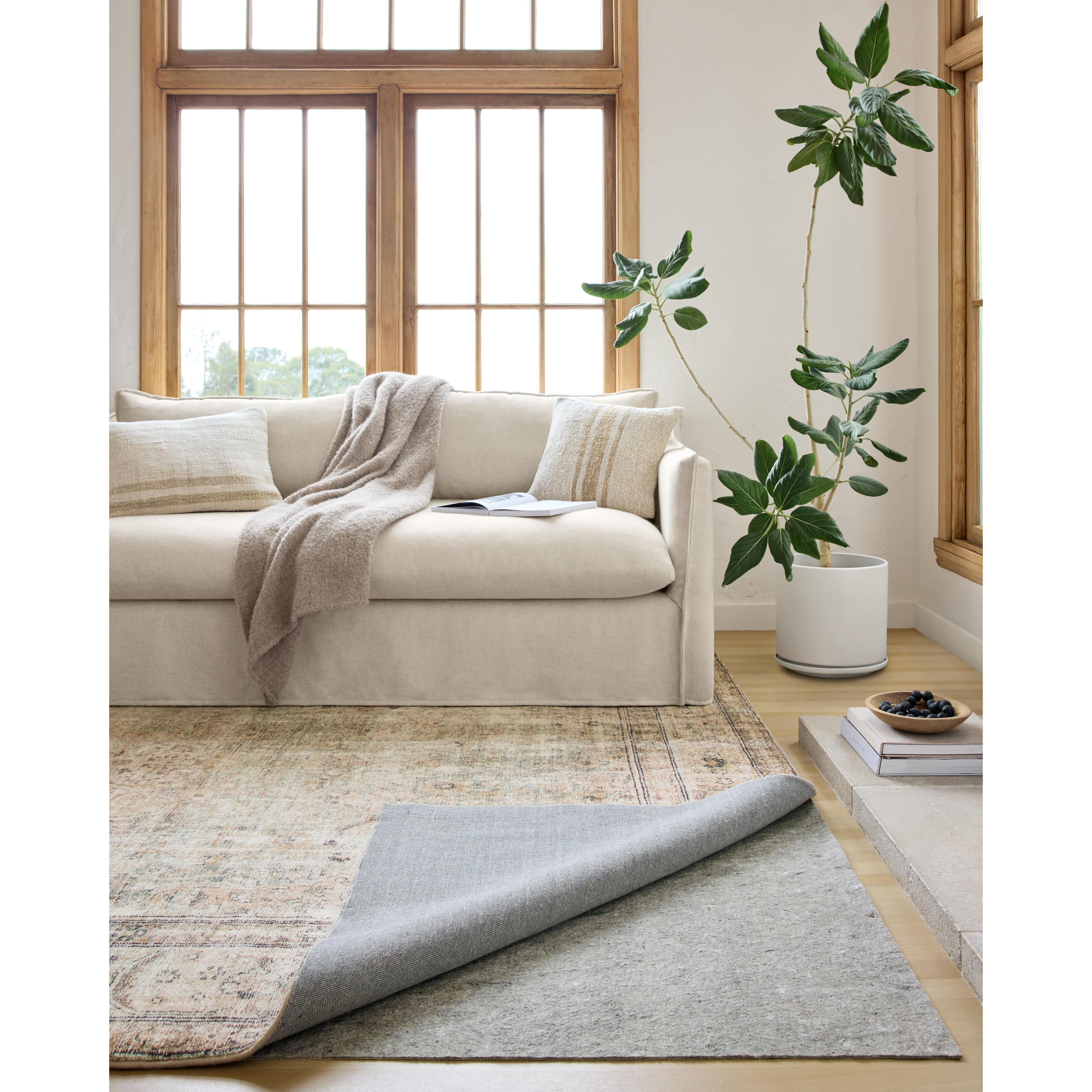
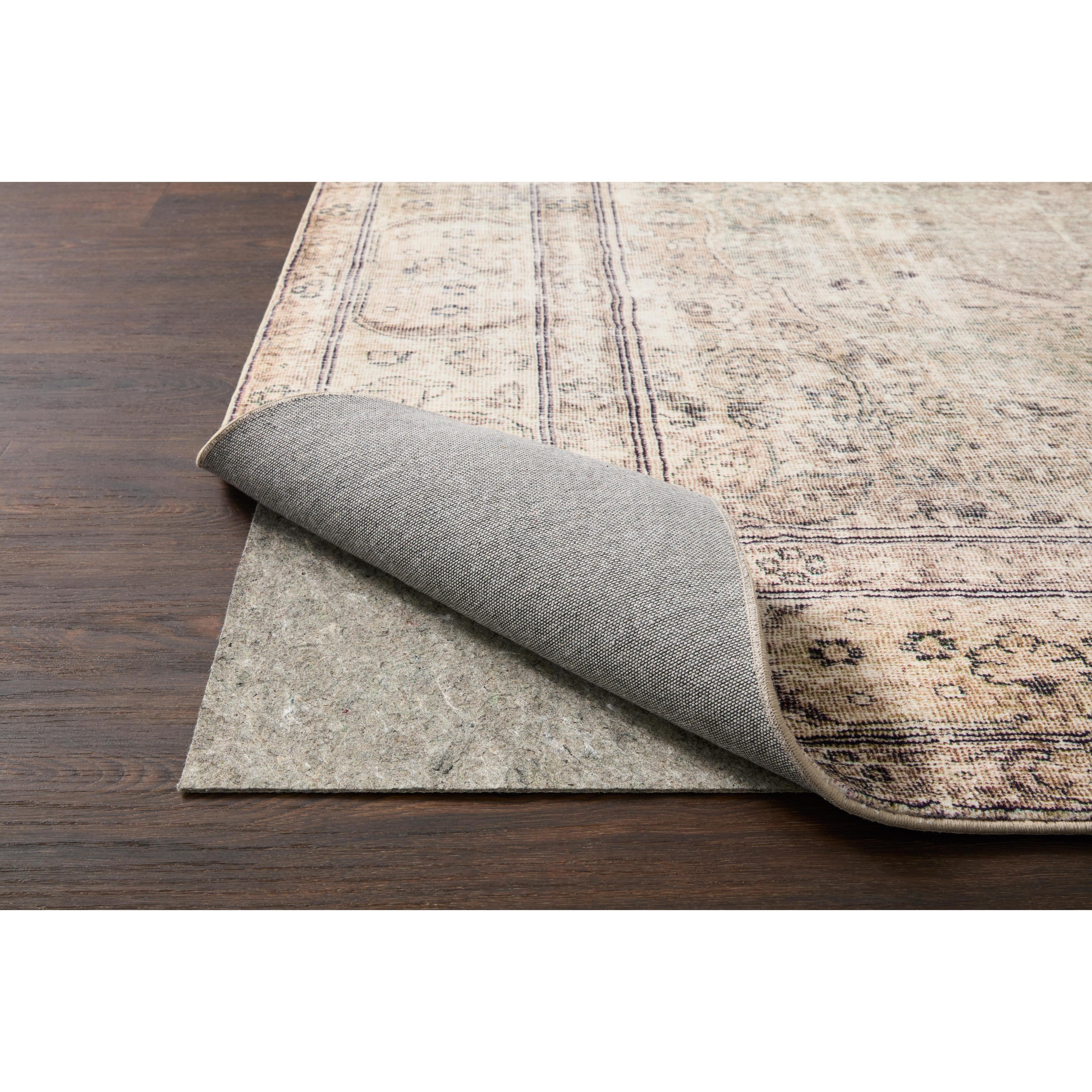
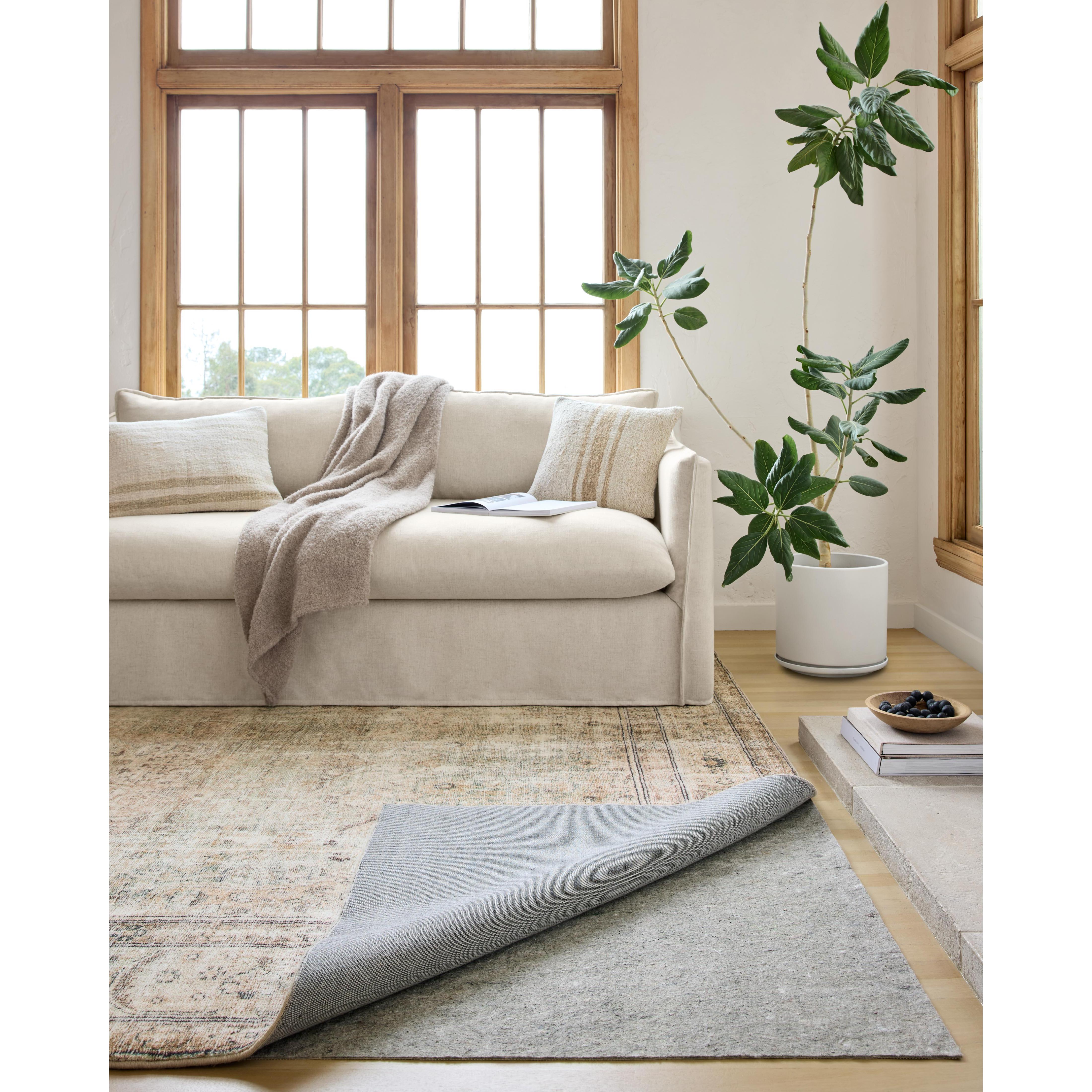
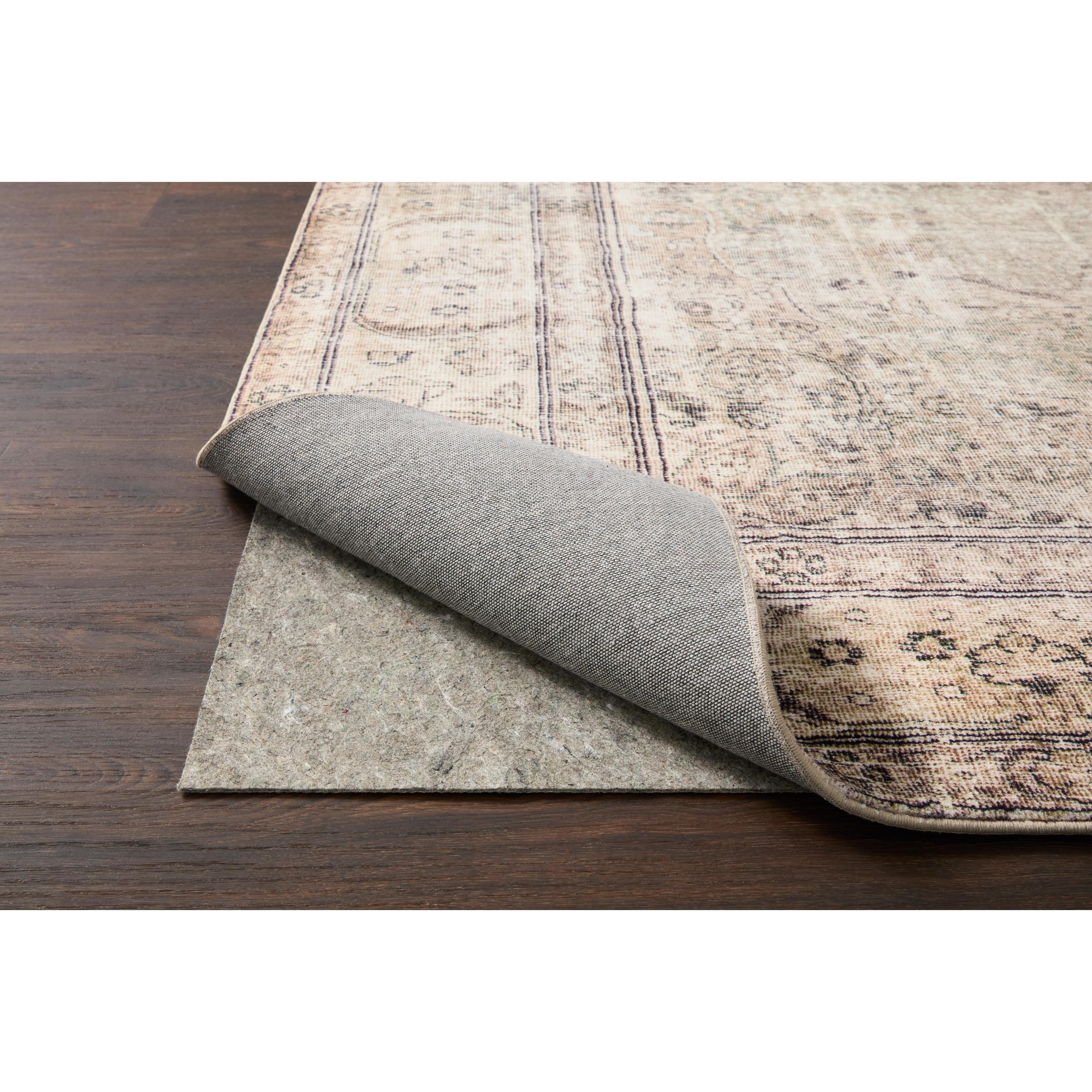
My low pile rug keeps sliding around. What's the best fix? The single best solution for a slippery rug is a good quality rug pad. It’s a simple fix that makes a huge difference. A rug pad grips both the floor and the back of your rug, holding it securely in place to prevent any sliding or bunching. As a bonus, it also adds a subtle layer of extra cushioning underfoot and helps protect your floors from scratches. It’s a small investment that protects your rug and makes your home safer.
Is it okay to layer a low pile rug over my existing carpet? Yes, layering a rug over carpet is a fantastic way to define a space or add a pop of color and pattern to a room. Low pile rugs are actually the best choice for this. Their thin profile allows them to lie flat without creating a bulky, uneven surface or a tripping hazard. For the best results, choose a rug with a distinct pattern or a contrasting color to make sure it stands out against the carpet underneath.
Are washable rugs and low pile rugs the same thing? They are closely related, but not exactly the same. Most washable rugs are made with a low pile because that short, durable construction is what allows them to withstand a machine wash and dry relatively quickly. However, not every low pile rug is designed to be washable. For example, a beautiful hand-woven wool rug has a low pile, but you would never put it in the washing machine. It’s best to think of washable rugs as a special category within the larger family of low pile rugs.