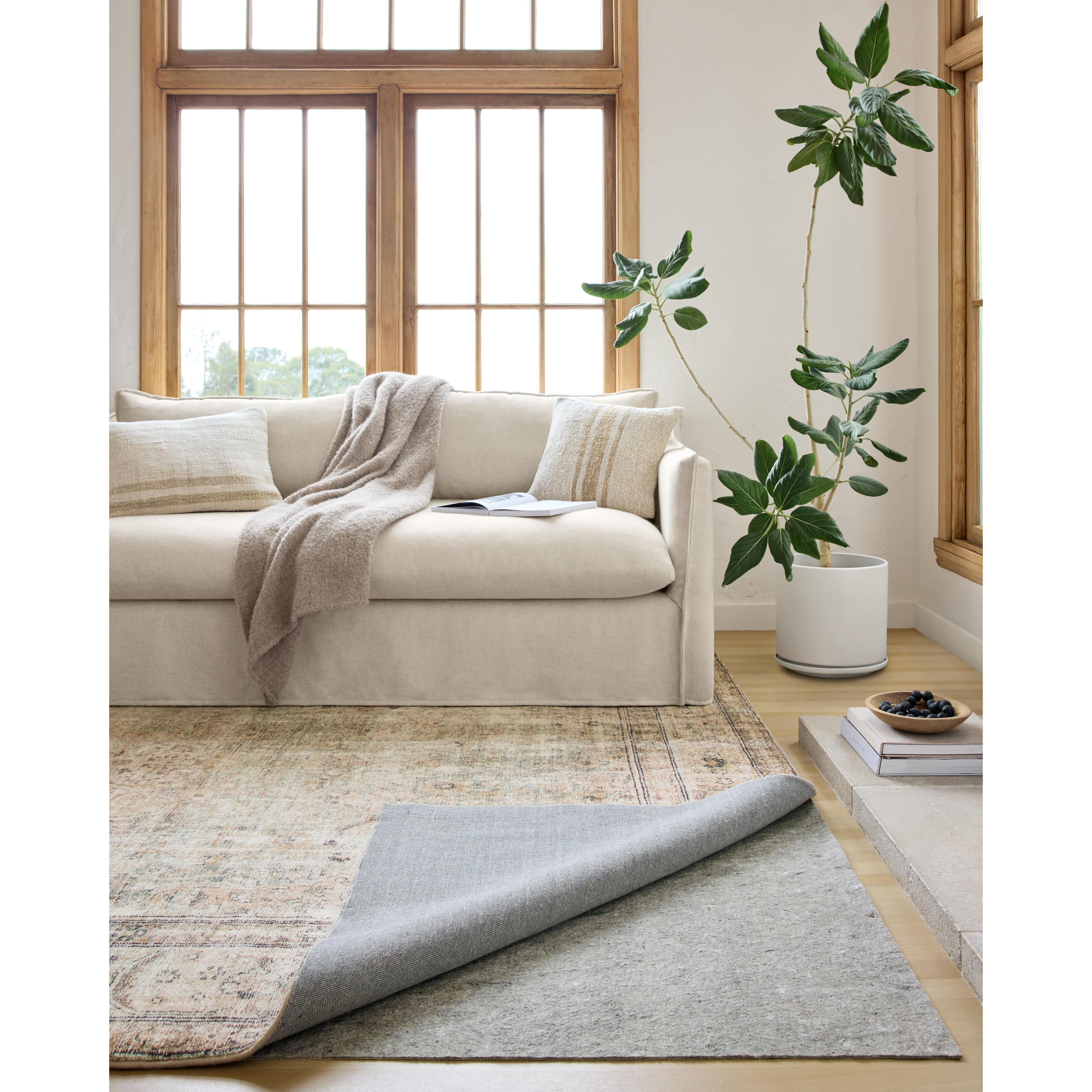
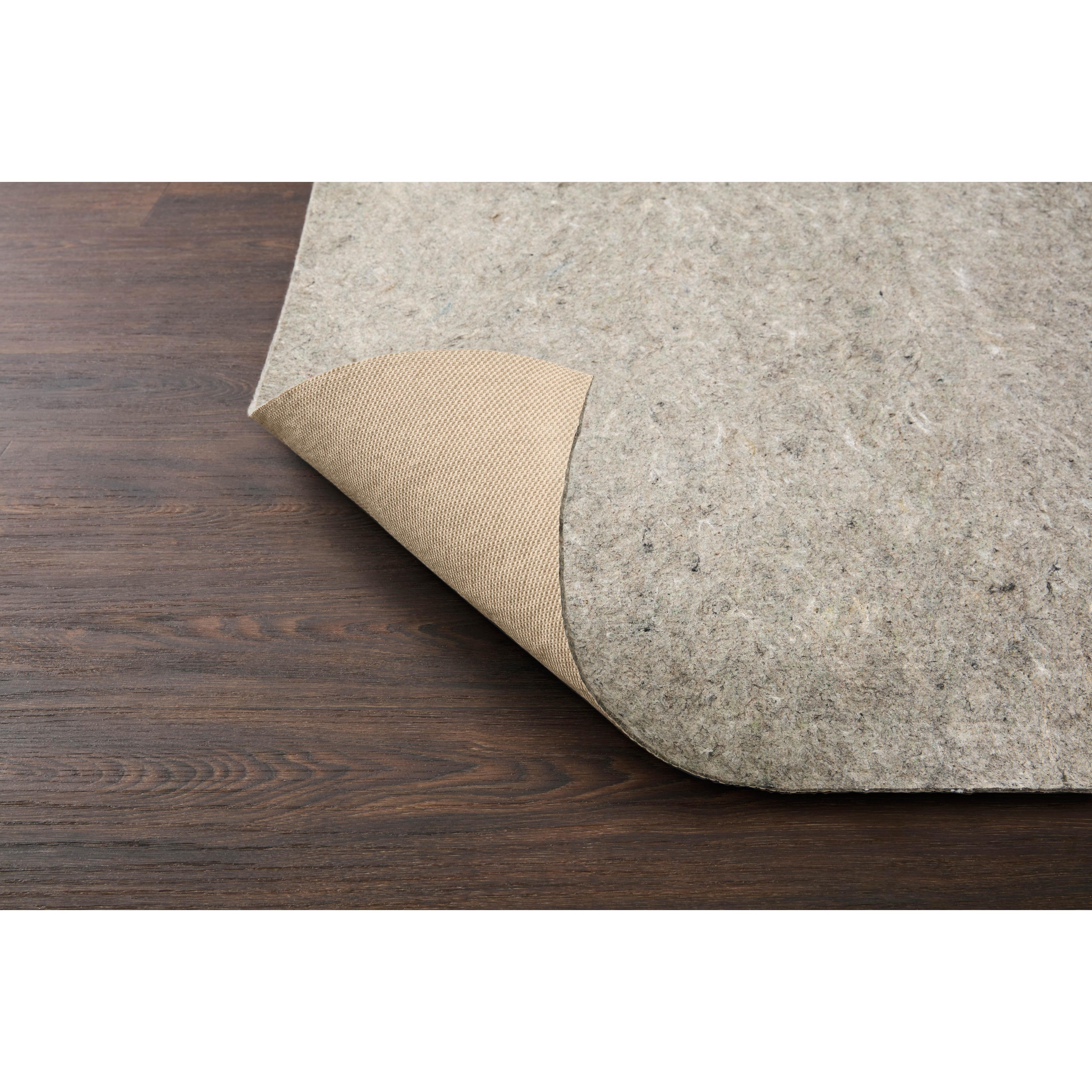
You’ve found the perfect area rug to tie your room together. It’s a significant investment in your home’s style and comfort, so you want to make sure it lasts. One of the biggest threats to a rug’s longevity, especially when placed over another carpet, is the constant friction and stretching from foot traffic. This movement can cause the rug’s backing to break down and its fibers to wear out prematurely. A proper non slip rug pad for carpet acts as a crucial buffer, absorbing impact and preventing the rug’s backing from grinding against the carpet fibers below, dramatically extending its life and beauty.
Key Takeaways
- A Rug Pad is a Non-Negotiable Investment: It does more than just stop slips. A quality pad protects your floors from scratches, absorbs impact to extend the life of your rug, and adds a welcome layer of cushioning underfoot.
- Get the Material and Size Right: Choose pads made from natural rubber or dense felt to avoid the chemical damage that cheap plastic pads can cause to your floor's finish. For a clean, trip-free look, your pad should always be about one inch shorter than your rug on all sides.
- Simple Care Extends Its Lifespan: A good pad is low-maintenance. Rotate it once a year to ensure even wear, spot-clean spills instead of machine washing, and replace it when it starts to crumble or lose its grip to keep your rug secure.
What Is a Non-Slip Rug Pad?
Think of a non-slip rug pad as the unsung hero of your living room. It’s that essential layer you place between your beautiful area rug and the floor, designed to do one crucial job: keep everything exactly where it’s supposed to be. A good rug pad provides a strong grip that holds your rug in place, preventing annoying bunching, shifting, and sliding. This simple addition makes your space safer by reducing tripping hazards, and it also makes daily life a little easier. No more constantly straightening out a crooked rug or struggling to vacuum a rug that moves with every pass. It’s a small investment that protects both your floors and your rug, ensuring your home looks and feels put-together.
How Do They Keep Your Rug in Place?
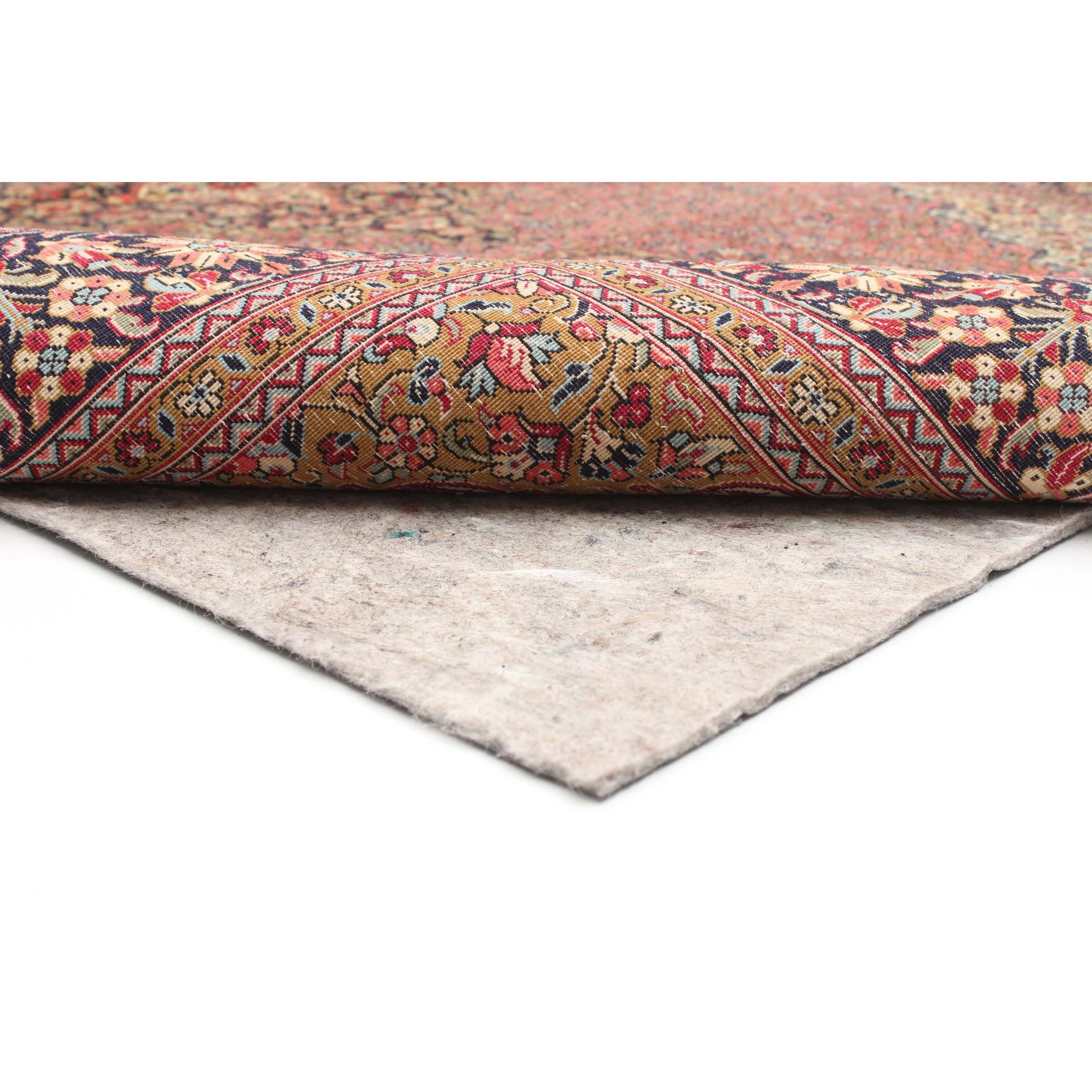
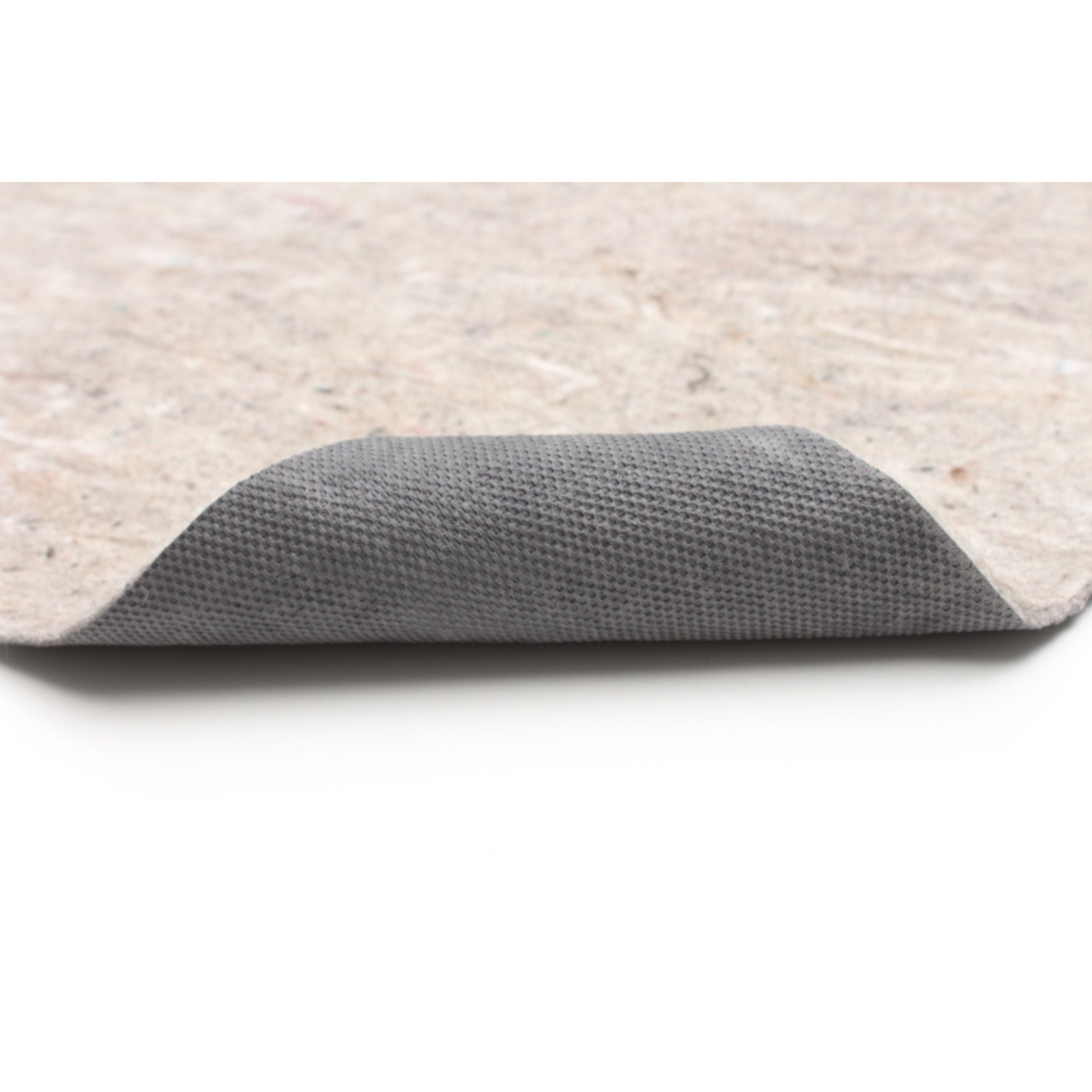
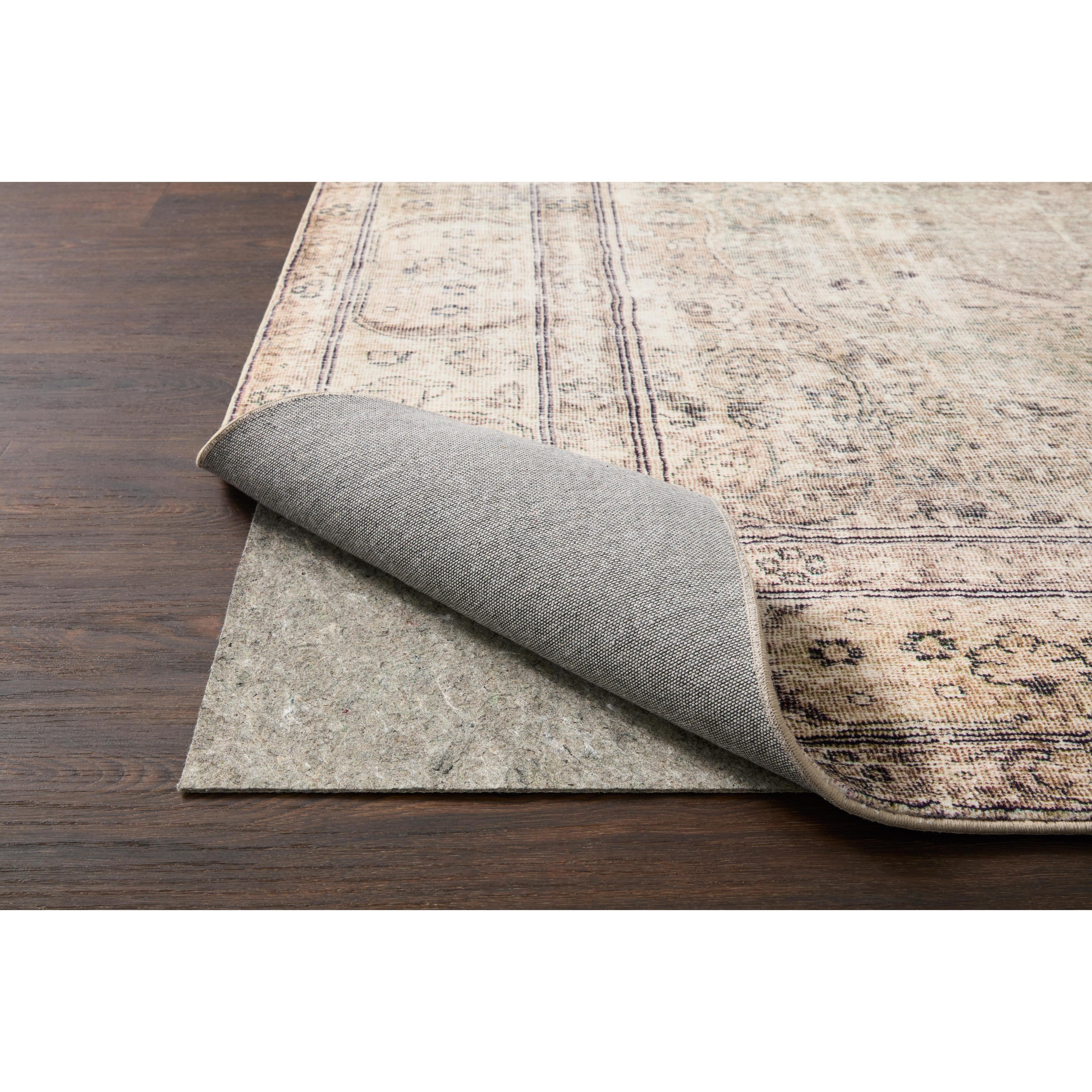
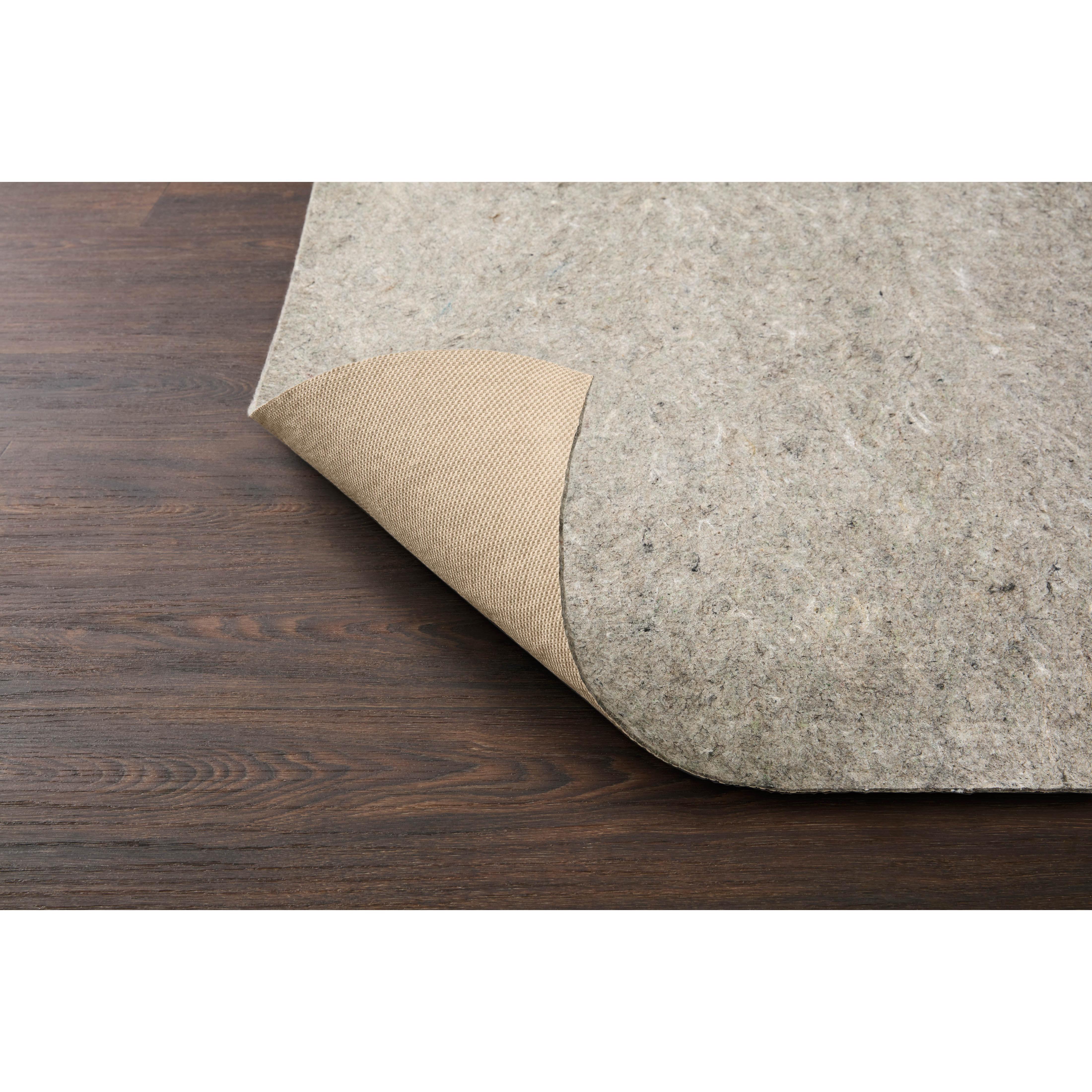
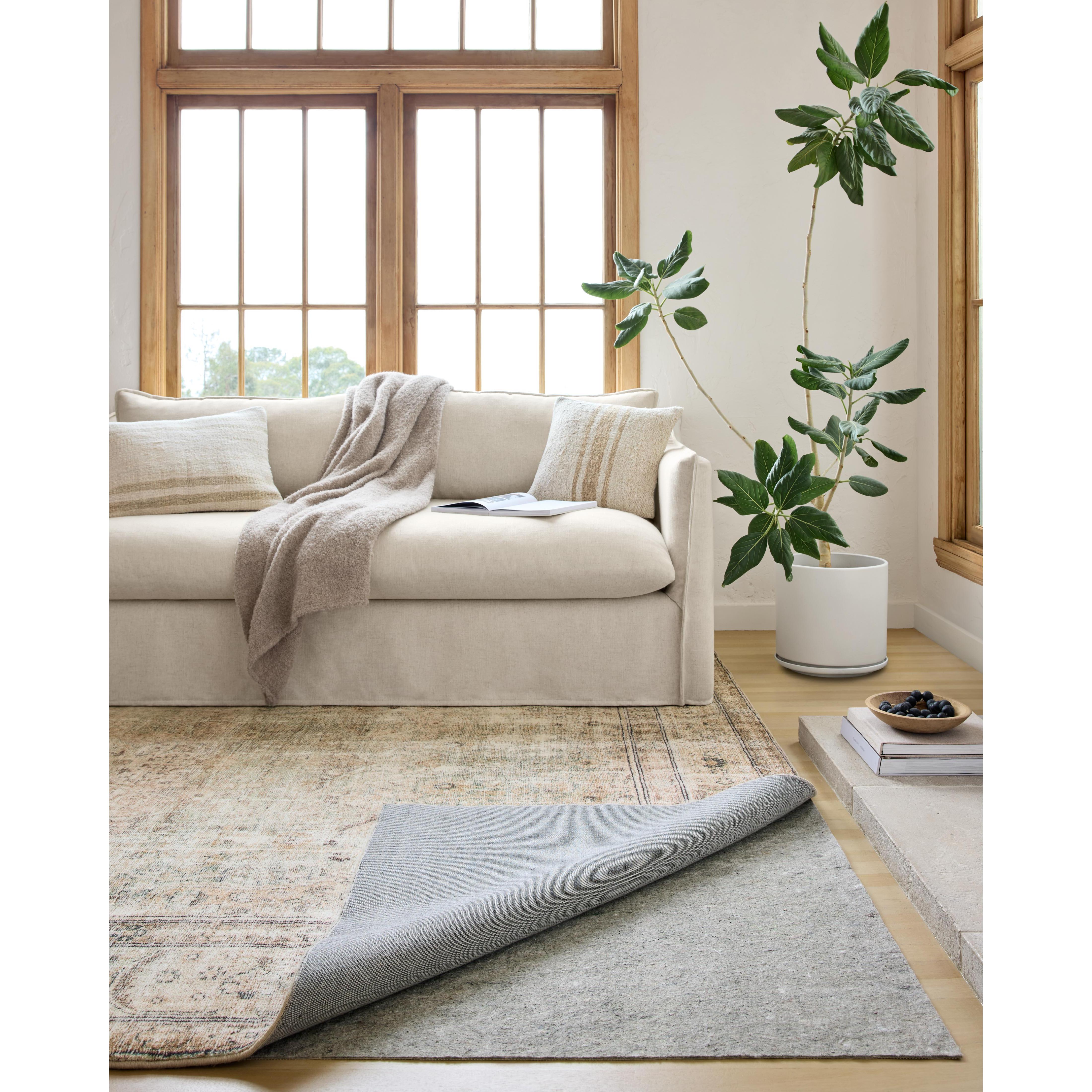
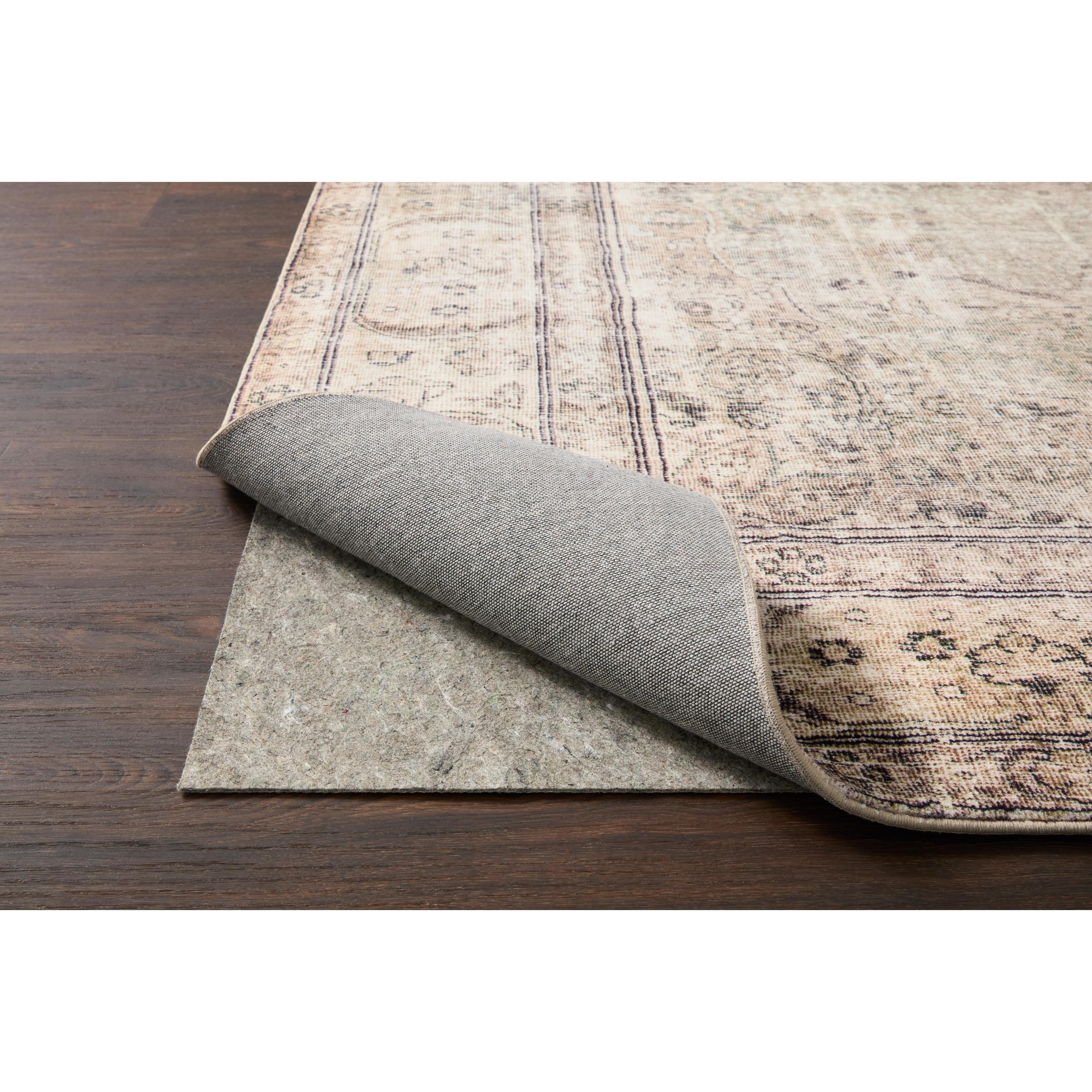
The magic of a non-slip rug pad lies in its clever construction, which creates friction on both sides. When you’re placing a rug over a carpet, the best pads use a dual-surface design. One side, typically made of felt, is designed to gently but firmly grip the carpet fibers below. The other side, often made of natural rubber, latches onto the backing of your area rug. This combination creates a secure hold that anchors your rug, preventing it from creeping or wrinkling as you walk across it. It’s a simple yet highly effective system that keeps your layered look neat and tidy.
The Main Benefits
While their main job is to prevent slipping, rug pads offer a surprising number of other perks. They add an extra layer of cushioning underfoot, making your rug feel plusher and more comfortable to walk on. This cushioning also absorbs the impact from foot traffic, which helps reduce wear and tear on your rug’s delicate fibers, extending its life. Furthermore, a pad allows for better air circulation, which makes vacuuming more efficient by lifting the rug slightly off the floor. This improves your rug care routine and helps keep your rug looking its best for years to come.
A Look at Different Types
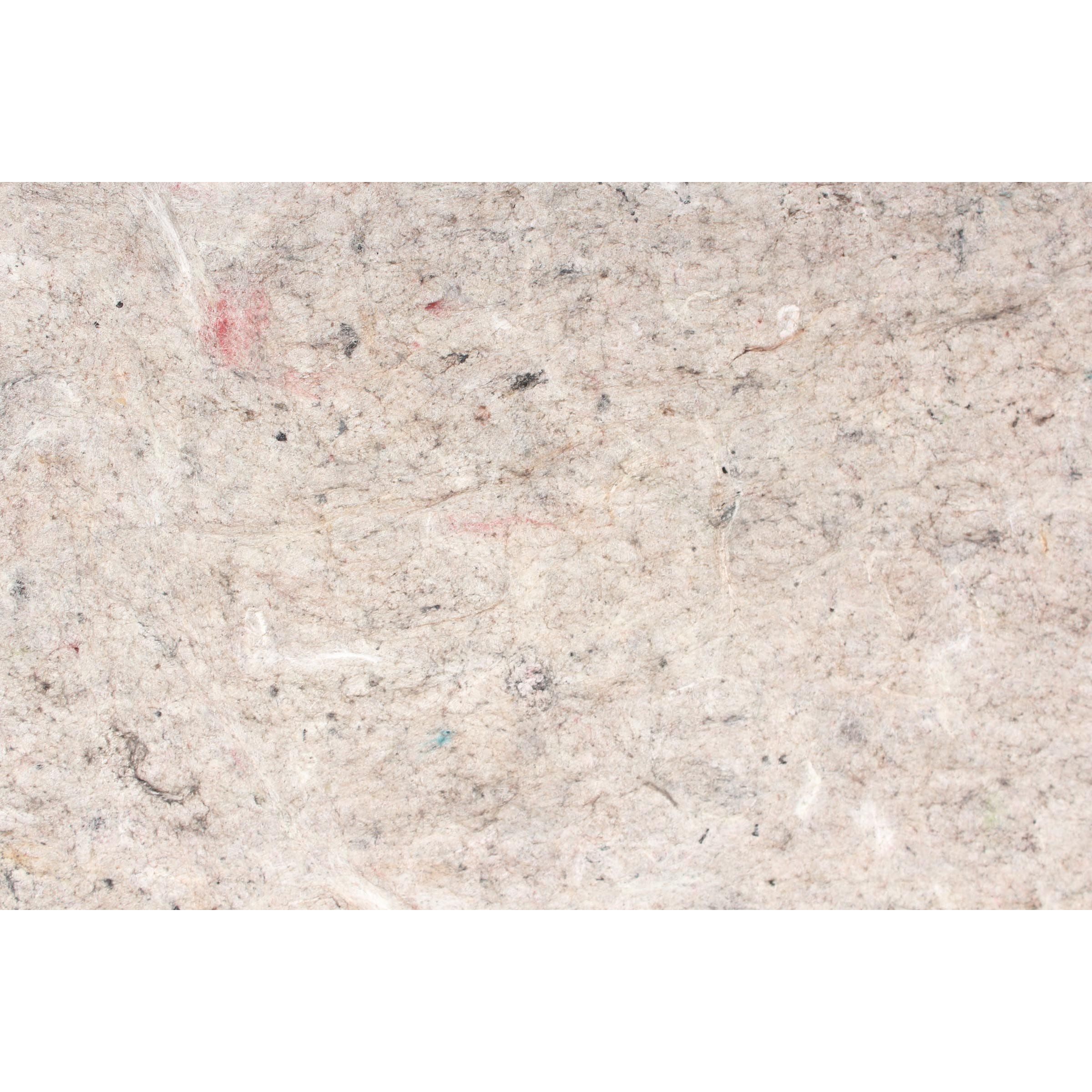
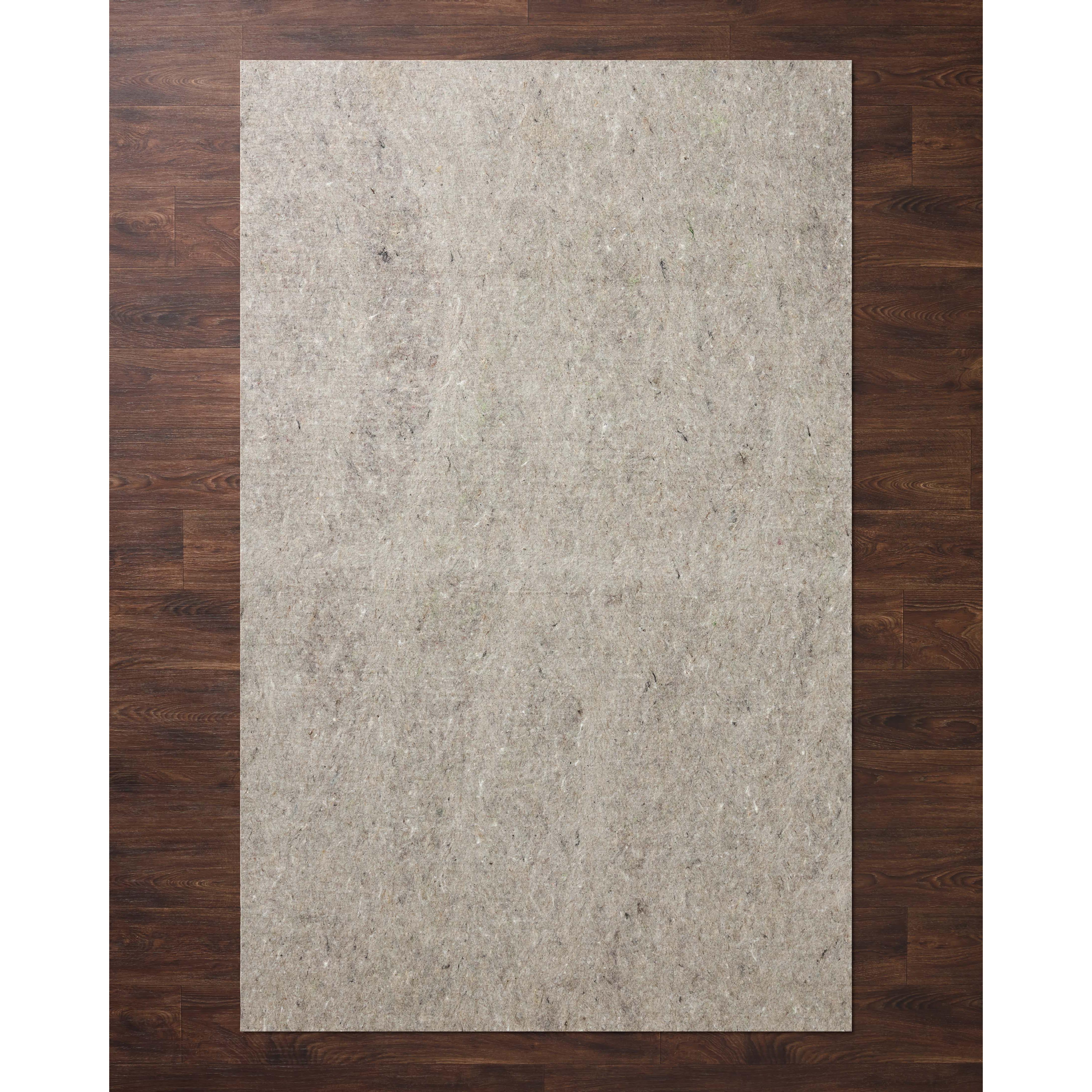
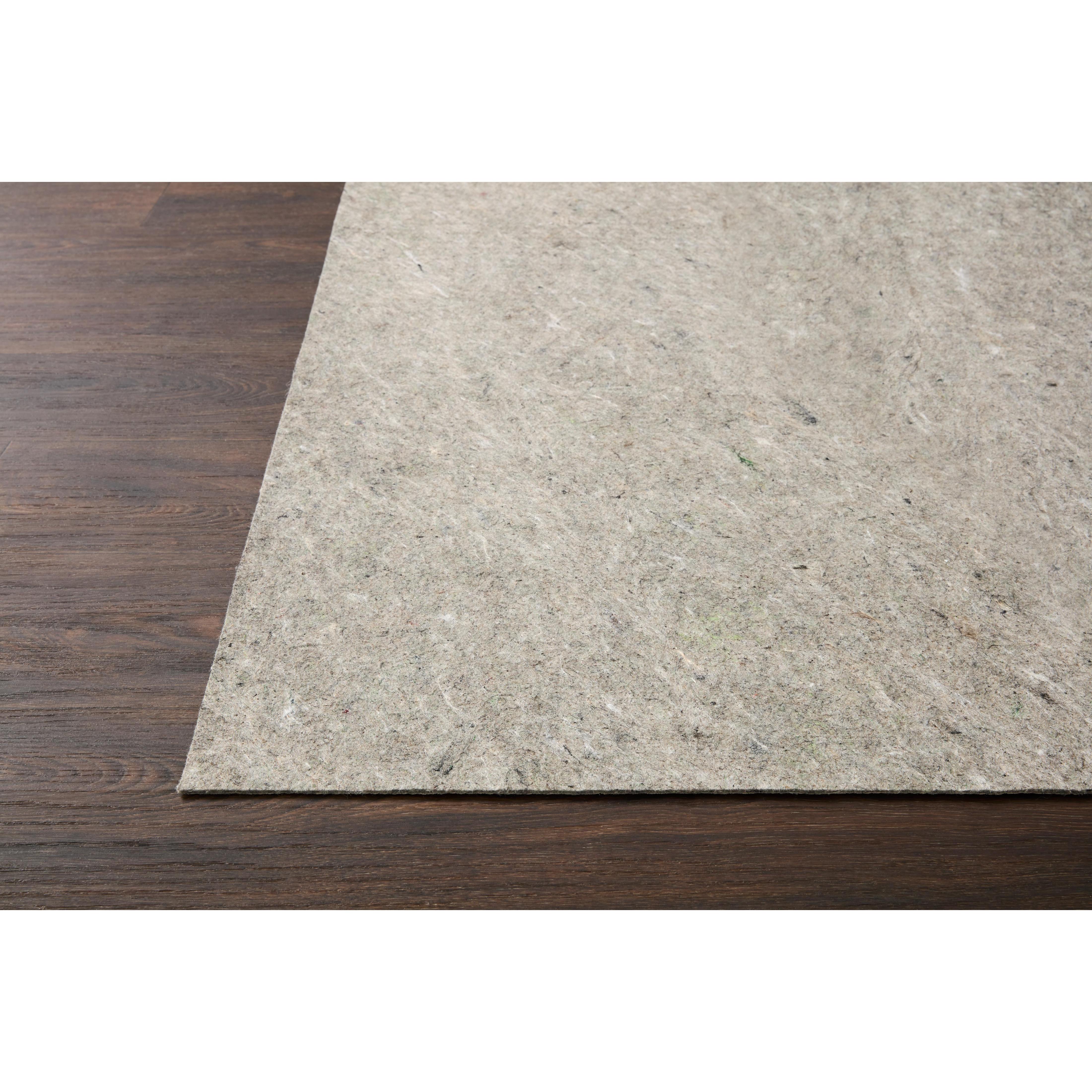
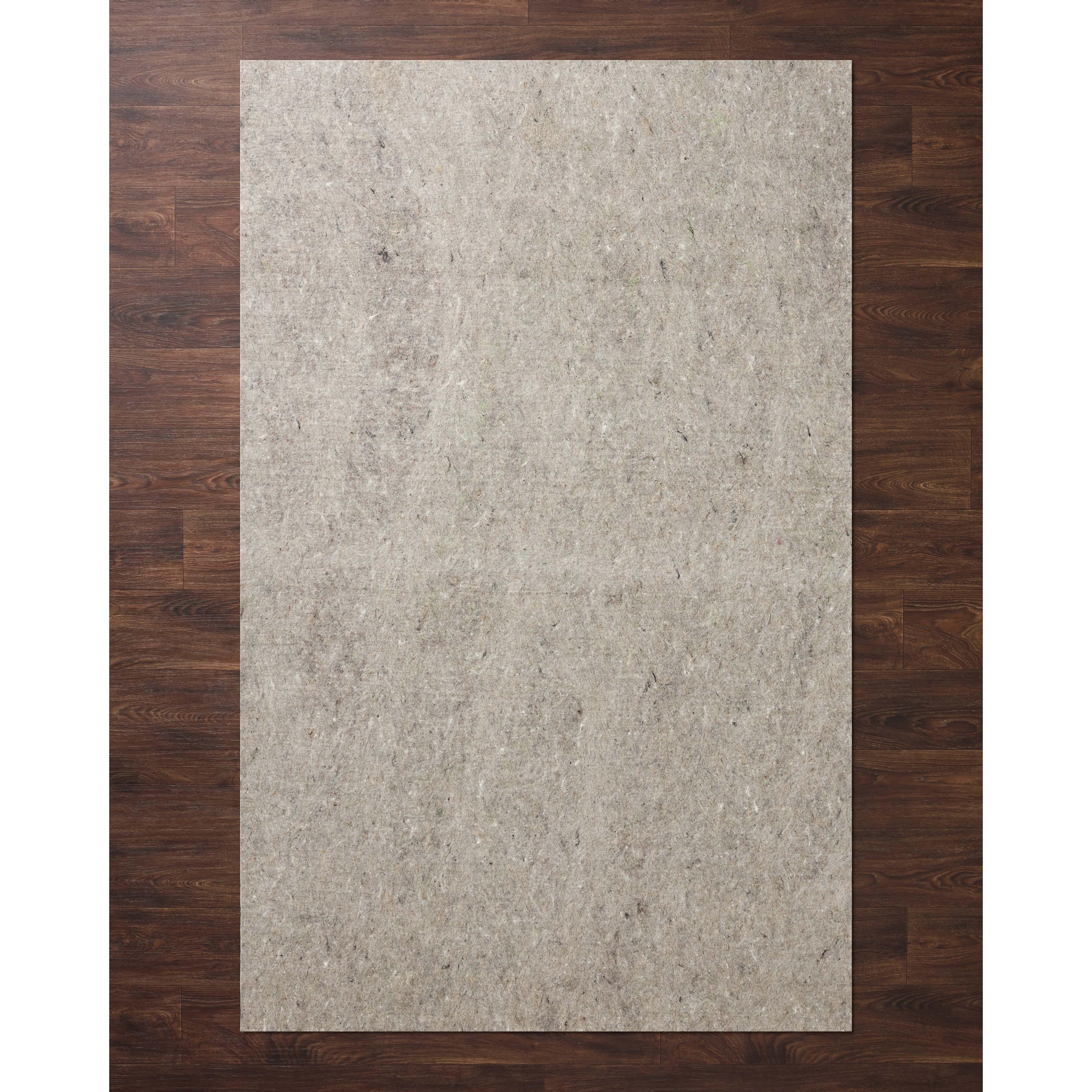
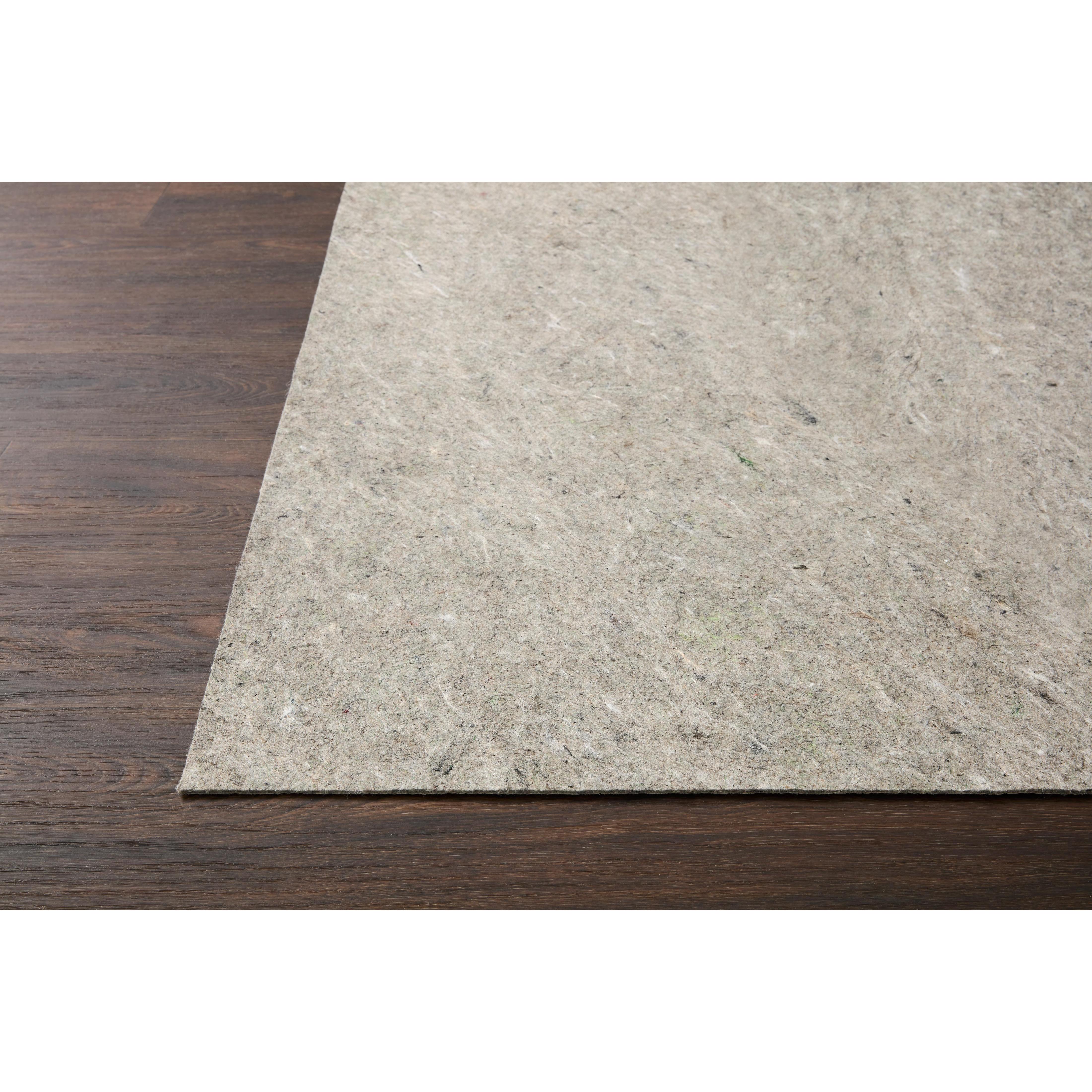
Rug pads aren't a one-size-fits-all product; they come in various materials and thicknesses to suit different needs. The most common types are made from natural rubber, felt, or a combination of the two. Natural rubber pads offer excellent grip on hard surfaces, while felt pads provide fantastic cushioning. Felt-rubber combination pads give you the best of both worlds—grip and comfort—making them ideal for placing rugs over carpet. Depending on the material and how much foot traffic the area gets, a quality rug pad can last anywhere from five to ten years. Choosing the right type ensures you get the performance and durability you need.
What to Look For in a Great Rug Pad
Once you’ve decided you need a rug pad, the next step is figuring out which one to buy. With so many options out there, it’s easy to feel a little lost. But finding a great rug pad comes down to looking at a few key features: the material it’s made from, its thickness and size, its durability, and its safety for your home and floors. It's not just about stopping a rug from slipping; the right pad acts as a silent partner to your favorite decor piece, working behind the scenes to make your space better.
Thinking about these elements will help you choose a pad that not only keeps your rug in place but also protects your investment in both your rug and your flooring. A quality pad adds comfort underfoot, extends the life of your area rugs, and provides a safer surface for you and your family. It can even help with noise reduction, which is a nice bonus for apartments or second-story rooms. Getting this choice right means you won't have to think about it again for years. Let’s break down exactly what you should be looking for so you can shop with confidence.
The Best Materials
The material of your rug pad is the foundation of its performance. The best pads are typically made from natural rubber, felt, or a combination of the two. Good non-slip rug pads will provide grip and help hold the rug in place, which is exactly what you want for easier cleaning and a reliable surface. Natural rubber offers an excellent grip on hard floors like hardwood, laminate, and tile without sticking to or staining the finish. Felt pads, on the other hand, are fantastic for adding cushion and are ideal for larger rugs that are already anchored by furniture and don’t need as much grip. A felt-rubber combo gives you the best of both worlds: grip and cushion.
Finding the Right Thickness
Thickness is all about balancing comfort with practicality. A thicker pad will give your rug a more plush, luxurious feel, which is wonderful in a bedroom or living room. However, in a high-traffic area like a hallway or entryway, a super-thick pad could make the rug too high and create a tripping hazard. A good quality rug pad can last anywhere from five to ten years, and its thickness and density play a big role in that longevity. For most spaces, a pad between 1/4 and 3/8 of an inch thick offers a great mix of cushion and stability without being too bulky or interfering with door clearance.
Getting the Perfect Size
Here’s a tip that surprises many people: your rug pad should not be the exact same size as your rug. A common misconception is that you should install a rug pad that has measurements identical to your area rug. For the best fit, your pad should be about one inch shorter than your rug on all sides. This slight difference allows the edges of the rug to taper down to the floor, which prevents the rug from looking like it’s perched on a platform and reduces the risk of tripping. It also ensures the pad remains completely hidden from view, so all you see is your beautiful rug.
How to Tell if It's Durable
A durable rug pad is one that won’t crumble, flake, or lose its grip over time. The best way to gauge durability is to look at the material’s density. A solid, heavy natural rubber pad or a densely woven felt pad will hold up much better than a flimsy, open-weave plastic one. Some premium non-slip rug pads are designed to last for the lifetime of your rug with very little added maintenance. When you’re shopping, if you can, feel the weight of the pad. A heavier, denser pad is a good indicator of quality and a sign that it will stand up to years of foot traffic without breaking down.
Choosing a Safe, Non-Toxic Pad
What your rug pad is made of matters for the health of your floors and your home. Not all rug pads are safe for all floor types; many cheap pads contain PVC or other synthetic plastics that can release chemicals. These chemicals can react with your floor’s finish, causing permanent damage and discoloration. To be safe, look for pads made from 100% natural rubber or felt. These materials are much safer for all flooring types, from hardwood to vinyl. You can also look for pads with a GREENGUARD Gold certification, which means they’ve been tested and proven to have low chemical emissions, making the air in your home healthier.
Our Top Picks for Non-Slip Rug Pads
With so many options out there, finding the right rug pad can feel a bit overwhelming. To make it easier, I’ve put together a list of some of the most trusted and effective non-slip rug pads on the market. These brands are known for their quality, durability, and ability to keep your rugs exactly where you want them. Let's look at what makes each one a great choice for your home.
Favorites from The Rug District
At The Rug District, we believe a great rug deserves a great foundation. A quality non-slip rug pad provides essential grip, holding your rug firmly in place. This simple addition makes your space safer by creating a reliable surface underfoot, and it also simplifies your cleaning routine. When your rug isn’t constantly shifting, vacuuming is much easier. We recommend pads that not only prevent slips but also add a layer of protection for both your floor and your beautiful area rugs. Think of it as an investment in the longevity and safety of your home’s decor.
RugPadUSA
If you’re looking for a long-term solution that’s also safe for your home, RugPadUSA is a fantastic choice. Their premium non-slip rug pads are designed to last for the lifetime of your rug with very little maintenance. What I really appreciate is their commitment to using natural materials—their pads don't contain any glues or harsh chemicals, so you don’t have to worry about them damaging your floors or off-gassing. Their focus on quality and safety makes them a top contender for anyone who prioritizes a healthy home environment. You can learn more about their rug pad care and see why they are so highly regarded.
Mohawk Home
Mohawk Home is a name many people recognize for flooring, and their rug pads live up to the brand's reputation for durability. A good rug pad from Mohawk can last anywhere from five to ten years, depending on the material and how much foot traffic it sees. This kind of longevity means you won’t have to think about replacing it for a long time. Choosing a durable pad like one from Mohawk Home is a smart move, as it provides consistent protection and grip year after year. It’s a practical investment that supports your rug and keeps your floors looking great.
Gorilla Grip
For high-traffic areas where rugs are prone to serious slipping and bunching, Gorilla Grip is a lifesaver. Their rug pads feature a powerful two-sided grip that latches onto both your rug and the floor beneath it. This design is incredibly effective at stopping rugs from sliding around, even with kids or pets running through the house. The Gorilla Grip pad is a popular choice for hallways, entryways, and living rooms because it offers such reliable stability. If you’ve been constantly readjusting a stubborn rug, this is definitely a brand to check out.
Bungalow Flooring
Bungalow Flooring understands that a rug pad should do more than just prevent slips. Their products also add a layer of cushioning that protects your rug’s delicate fibers from wear and tear. This extra padding not only makes the rug feel softer underfoot but also helps it last longer. Plus, the added stability makes vacuuming much more effective, as the rug stays put while you clean. Following a good rug care guide is always important, and starting with a supportive pad from a brand like Bungalow Flooring sets you up for success.
Common Rug Pad Myths, Busted
When it comes to home decor, myths and misconceptions can spread quickly, and rug pads are no exception. You’ve probably heard a few of these yourself and wondered what’s actually true. Is a rug pad really a must-have, or is it just an upsell? Does the type you buy even matter? Over the years, we've heard it all—that they're frivolous, unnecessary, or even damaging to floors. The truth is, a quality rug pad is one of the most important accessories for your home, acting as a silent guardian for both your floors and your rugs. It prevents slipping, adds a layer of comfortable cushioning underfoot, and protects your investment from premature wear and tear. But with so much conflicting advice out there, it's easy to get confused. That's why we're going to clear the air and bust some of the most common myths about rug pads. Getting the facts straight will not only help protect your floors but also extend the life of your favorite area rugs, making it a smart move for any homeowner. From sizing mistakes to material mix-ups, we'll cover the essential truths you need to know. Think of this as your definitive guide to separating rug pad fact from fiction, ensuring you can shop with confidence and give your space the solid foundation it deserves.
Myth: You Don't Really Need One
It’s easy to view a rug pad as an optional extra, especially when you’ve just invested in a rug you love. Many people think they’re a frivolous purchase, but a good rug pad is one of the most practical accessories you can buy. It acts as a buffer between your rug and the floor, preventing the rug’s backing from scratching or scuffing hardwood and other delicate surfaces. More importantly, it absorbs the impact from foot traffic, which reduces wear and tear on your rug’s fibers and helps it last much longer. It’s not just an add-on; it’s a crucial part of keeping both your floors and your rug in great shape.
Myth: Any Size Will Do
This is a big one. You might assume that your rug pad should be the exact same size as your rug, but that’s a recipe for frustration. If the pad is the same size, it’s likely to peek out from under the edges, which doesn’t look great and can create a tripping hazard. The best practice is to choose a pad that is slightly smaller than your rug—about one inch shorter on all sides. This ensures the pad remains completely hidden while still providing the grip and cushioning you need. It also allows the edges of your rug to relax and lay flat on the floor for a seamless, professional look.
Myth: One Pad Works for All Floors
Not all rug pads are created equal, and your floor type plays a huge role in which one you should choose. A common mistake is grabbing a "universal" pad without checking the material. Some pads, especially those made with certain plastics or PVC, can have a chemical reaction with flooring finishes like vinyl or polyurethane, leading to permanent discoloration or damage. For example, a natural rubber and felt pad is often a safe bet for hardwood, while you’ll need to be more selective for vinyl plank flooring. Always read the manufacturer's recommendations to ensure the pad is compatible with your specific type of flooring.
Myth: A Cheaper Pad is Just as Good
While it’s tempting to save a few dollars on a less expensive rug pad, this is one area where you get what you pay for. Those cheap, open-weave, waffle-like pads are notorious for falling apart over time. They can shed, crumble into dust, and leave a sticky, grid-like residue on your floors that’s incredibly difficult to remove. Investing in a quality pad made from solid materials like felt, natural rubber, or a combination of the two is a much better long-term strategy. A durable pad will provide better grip, more cushion, and won’t disintegrate, protecting your investment for years to come.
How to Install and Care for Your Rug Pad
Once you've found the perfect rug pad, getting it set up and keeping it in great shape is easier than you might think. A little bit of attention goes a long way in making sure your pad protects your floors and keeps your rug exactly where you want it. Proper installation and care will extend the life of both your pad and your beautiful area rug, ensuring your space looks great for years to come. Here’s a simple guide to get it right from day one.
Measure and Place it Correctly
A common mistake is buying a rug pad that’s the exact same size as your rug. For the best fit, your rug pad should actually be slightly smaller. Aim for it to be about one inch shorter than your rug on all four sides. This allows the edges of your rug to taper down to the floor, creating a clean look and preventing a tripping hazard. To install, simply lay the pad down in the desired spot, then carefully roll your rug out over it, making sure the pad is centred underneath. Smooth out any wrinkles, and you’re all set.
Simple Cleaning Tips
Life happens, and spills are inevitable. For most wet messes, you can spot-clean your rug pad with a cloth, mild soap, and water. Gently blot the area—don’t scrub—and then let it air dry completely before putting your rug back on top. It’s important to avoid putting rubber or non-slip pads in the washing machine, as the high heat and tumbling can cause the material to break down and lose its grip. For a truly low-maintenance setup, you can pair your hand-cleaned pad with one of our washable rugs for the ultimate easy-clean combination.
How to Keep it in Great Shape
The good news is that a high-quality rug pad doesn’t require a lot of upkeep. One of the best things you can do to extend its life is to rotate it every six months to a year, especially if it’s in a high-traffic area. Just like rotating the tires on your car, this simple step helps distribute the wear and tear evenly, preventing one area from flattening or wearing out faster than the others. When you rotate your rug, simply rotate the pad along with it to keep everything in top condition.
Know When It's Time for a New One
Even the best rug pads don’t last forever. Depending on the material and how much foot traffic it gets, a good pad can last anywhere from five to ten years. You’ll know it’s time for a replacement when you see signs of aging, such as crumbling, flaking, or a noticeable loss of cushioning and grip. An old, worn-out pad can’t properly protect your floors or your area rug, so replacing it is a smart investment. Regularly checking its condition will help you know when it’s time for an upgrade.
How to Choose the Right Rug Pad
Finding the right rug pad can feel like a small detail, but it makes a huge difference in how your rug looks, feels, and lasts. It’s not just about preventing slips; a good pad is an investment in protecting both your beautiful new rug and the floors underneath. Think of it as the unsung hero of your room’s decor. It adds a layer of plushness underfoot, keeps your rug anchored, and even makes vacuuming a little easier.
But with so many options out there, how do you pick the right one? It comes down to four key things: the material it’s made of, getting the size just right, finding a price that reflects quality, and checking the warranty for peace of mind. Let’s walk through each of these so you can confidently choose a pad that will keep your rug secure and comfortable for years to come.
Select the Right Material
The material of your rug pad determines its grip, cushioning, and durability. The goal is to find one that holds your rug firmly in place while protecting your floors. Natural rubber is fantastic for grip on hard surfaces like hardwood or tile and won't stain or strip the finish. Felt pads are all about cushion, adding a luxurious, soft feel underfoot, which is especially nice for larger area rugs in living rooms and bedrooms.
For the best of both worlds, a felt-rubber combination is a great choice. It offers a strong grip from the rubber layer and plush cushioning from the felt. A quality pad does more than just prevent slipping; it also reduces wear on your rug’s fibers by absorbing the impact of foot traffic.
Pick the Perfect Size
Here’s a common mistake: buying a rug pad that’s the exact same size as your rug. You actually want the pad to be slightly smaller. The rule of thumb is to have the pad be one inch shorter than your rug on all four sides. This allows the edges of the rug to taper down to the floor, creating a clean look and preventing a tripping hazard. If the pad is too big, the rug won't lie flat.
Don’t worry if you can’t find the perfect pre-cut size. Most rug pads are designed to be easily trimmed with a pair of sharp scissors. Just lay your rug upside down, place the pad on top, and trim away the excess for a custom fit.
Compare Prices Smartly
It can be tempting to grab the cheapest rug pad you can find, but this is one area where you get what you pay for. Those super-cheap plastic pads often don't last. They can crumble over time, leaving a sticky, dusty mess on your floors that’s a pain to clean up. Worse, some low-quality materials can react with your floor’s finish, causing permanent damage.
Instead, think of a quality rug pad as an investment. A well-made pad from a trusted brand like Safavieh will protect your floors and extend the life of your rug, saving you money in the long run. Look for value, not just the lowest price tag.
Understand the Warranty
A good warranty is a sign that the manufacturer stands behind its product. Before you buy, take a moment to see what the warranty covers. Premium rug pads are often designed to last for the lifetime of your rug, and a solid warranty will reflect that. It gives you confidence that the pad won’t crumble, stain your floors, or lose its grip after just a year or two.
Check the fine print to see if the warranty specifically protects against damage to certain types of flooring. This little bit of research provides peace of mind, ensuring your floors and your rug are in good hands.
Make Your Rug Pad Last Longer
A great rug pad is a quiet hero, working behind the scenes to protect your floors and keep your rug perfectly in place. And the good news is, it doesn't ask for much in return. With just a little bit of attention, you can make sure your rug pad stays effective for years, extending the life of both the pad and the beautiful rug on top of it. Think of it as a small investment of time that protects a much bigger investment in your home's style. Here are a few simple steps to keep your rug pad in top-notch condition.
Simple Care for a Longer Life
You’ll be happy to know that premium non-slip rug pads are designed to last for the lifetime of your rug with very little maintenance. The key is consistency. Every time you vacuum your rug, take a moment to lift a corner and vacuum the pad underneath. This quick step prevents dust and dirt from building up and breaking down the pad’s materials over time. For a more thorough clean, you can take the pad outside and give it a good shake to dislodge any trapped debris. It’s a simple habit that makes a huge difference in preserving its grip and cushion.
Protect it From Moisture
Spills happen, but letting moisture sit is a rug pad’s worst enemy. If you spill something on your rug, be sure to check if it seeped through to the pad. Most non-slip pads, especially those with rubber backings, should not go in the washing machine, as the heat and agitation can cause the material to crumble. Instead, it’s best to spot clean any spills with a damp cloth and mild soap. Always make sure the pad is completely dry before placing it back on the floor to prevent any mildew or damage to your flooring. For rooms prone to messes, pairing a pad with one of our washable rugs can make cleanup even easier.
Create a Maintenance Routine
To get the most out of your rug pad, a little proactive care goes a long way. Just like you rotate your mattress, you should rotate your rug and pad every six months to a year. This simple action helps distribute wear evenly, especially in high-traffic areas, preventing one section from wearing out faster than the rest. Every few months, it’s also a good idea to do a deeper clean by vacuuming both sides of the pad. This routine maintenance ensures your pad continues to provide the best possible protection and grip for your favorite area rugs.
When to Call a Professional
A quality rug pad is meant to absorb impact and pressure, which helps maintain the rug’s fibers. However, no rug pad lasts forever. If you notice your pad is becoming brittle, shedding pieces, or has lost its non-slip properties, it’s time for a replacement. A worn-out pad can’t do its job of protecting your floors and rug, and it can even start to stick to or stain the floor underneath. There’s no professional service to repair a failing rug pad, so the best professional move you can make is to invest in a new one. This ensures your rug remains a safe and beautiful centerpiece in your home.
Related Articles
- Firm Hold Plush 0003C Rug Pad – The Rug District
- Comfortgrip 0002C Rug Pad | Oriental WeaversRugs – The Rug District
- Premium Grip Rug Pad PAD01 Beige – The Rug District
Frequently Asked Questions
Do I really need a rug pad if my rug is held down by furniture? Even if heavy furniture anchors your rug, a pad is still a smart move. It does more than just prevent slipping. A quality pad acts as a shock absorber, protecting your rug’s fibers from being crushed by foot traffic, which helps it last much longer. It also provides a protective barrier, preventing the rug’s backing from scratching or scuffing your floors over time. Plus, it adds a subtle layer of cushioning that just makes the whole room feel more comfortable.
Can a rug pad damage my hardwood or vinyl floors? Yes, the wrong kind of rug pad can definitely cause damage, which is why choosing the right material is so important. Cheap pads made from PVC or synthetic plastics can have a chemical reaction with your floor’s finish, leading to discoloration or a sticky residue that’s nearly impossible to remove. To keep your floors safe, always opt for pads made from 100% natural rubber or dense felt. These materials are safe for all floor types and won’t cause any harm.
How do I get the right size rug pad if I can't find a perfect match? Finding the exact size you need can be tricky, but there's an easy solution. Your pad should actually be about one inch shorter than your rug on all sides anyway, so it stays hidden and the rug's edges can lay flat. The best approach is to buy a pad that is slightly larger than what you need. Then, you can simply lay your rug on top of it (upside down) and trim the excess pad with a sharp pair of household scissors for a perfect custom fit.
What's the difference between a cheap rug pad and an expensive one? Is it worth the extra money? The price difference usually comes down to the quality and durability of the materials. Inexpensive, waffle-like plastic pads tend to crumble and disintegrate over time, leaving behind a dusty, sticky mess. A higher-quality pad made from dense felt or natural rubber will provide better grip and cushioning without breaking down. Think of it as an investment—spending a little more upfront saves you from potential floor damage and the cost of replacing both the pad and your rug sooner.
How often should I replace my rug pad? A good-quality rug pad is surprisingly long-lasting and can often hold up for five to ten years. You'll know it's time for a new one when you notice clear signs of wear. If the pad feels flat and has lost its cushioning, or if it starts to flake, crumble, or shed when you lift the rug, its time is up. An old pad can't do its job of protecting your floors and rug, so replacing it is key to keeping everything in great shape.