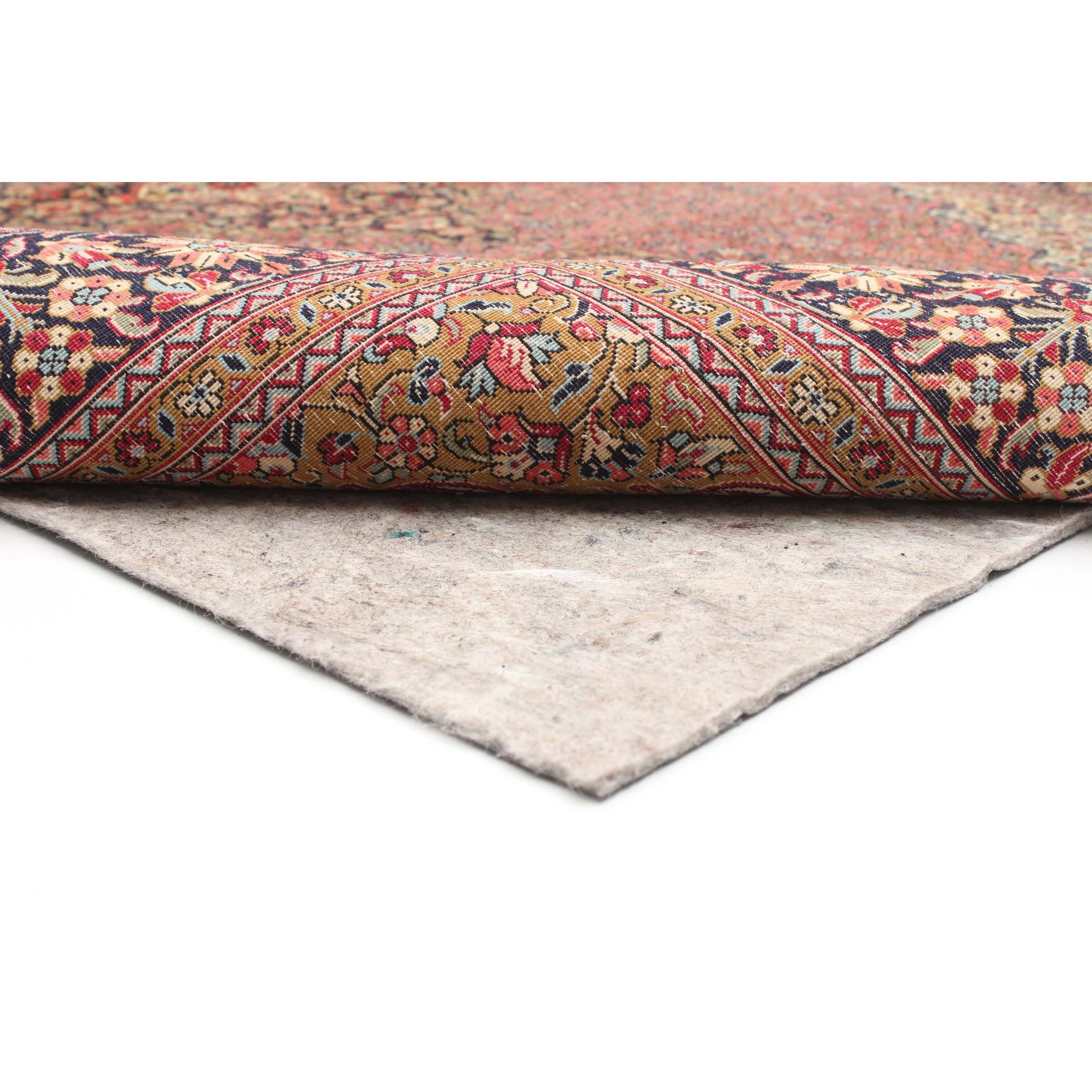
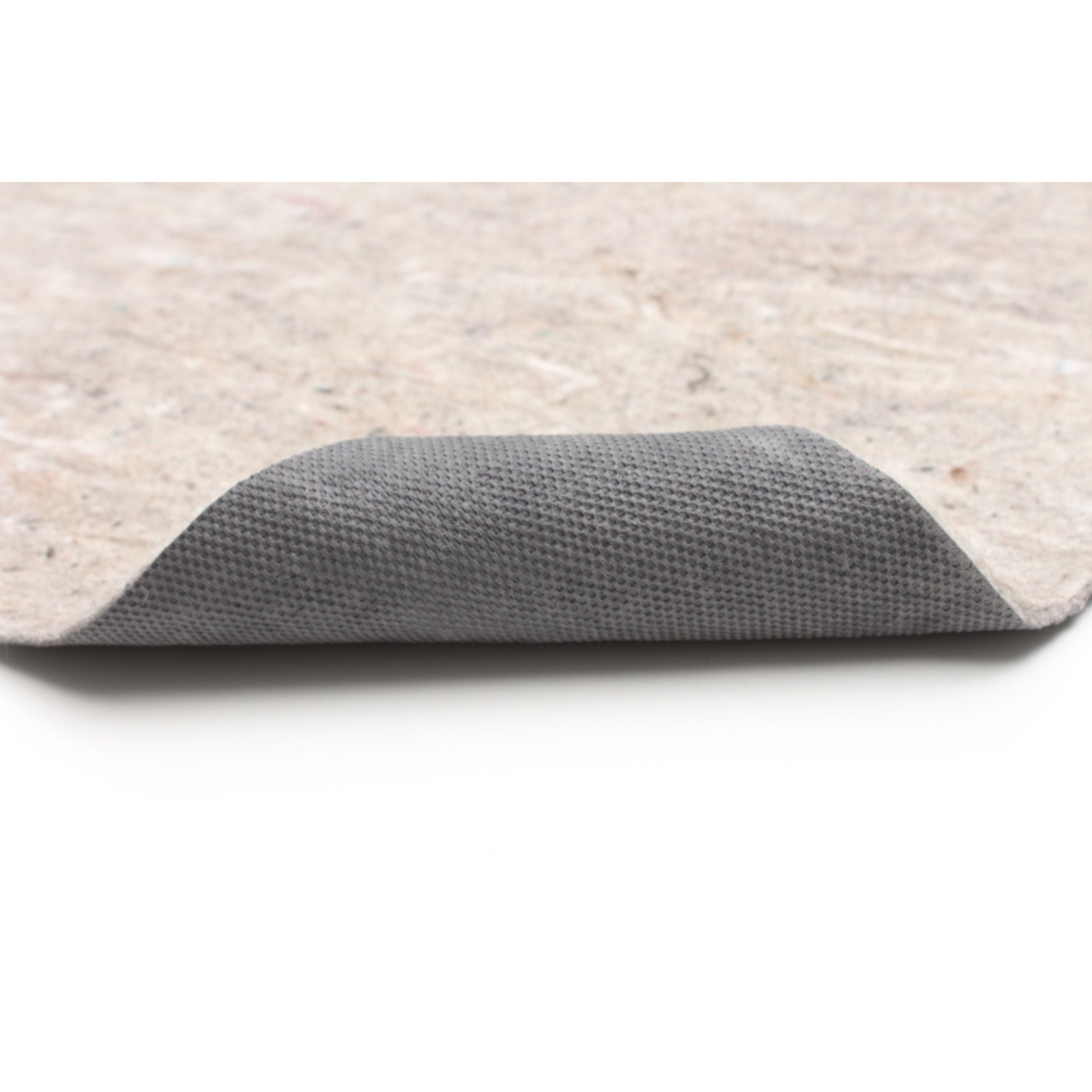
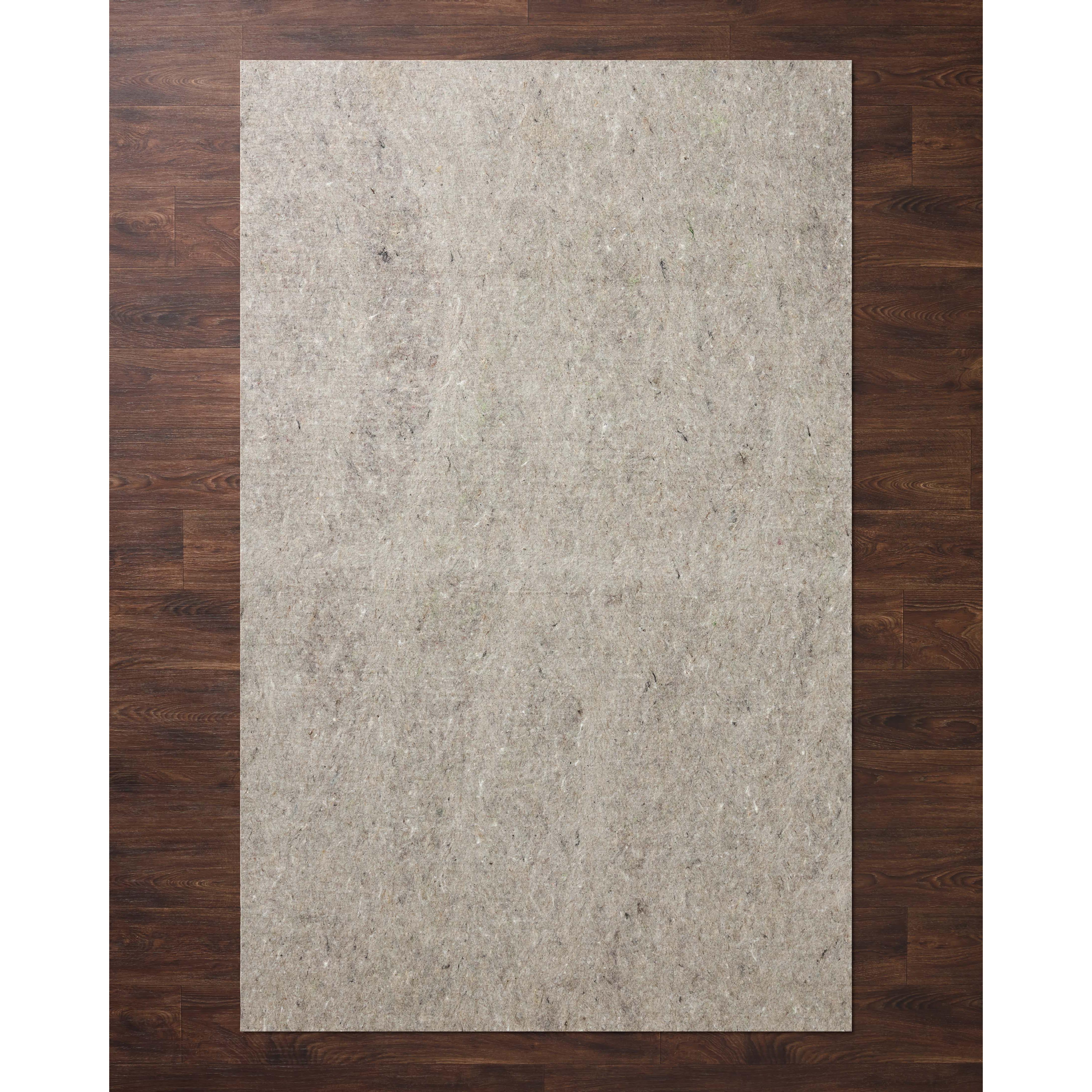
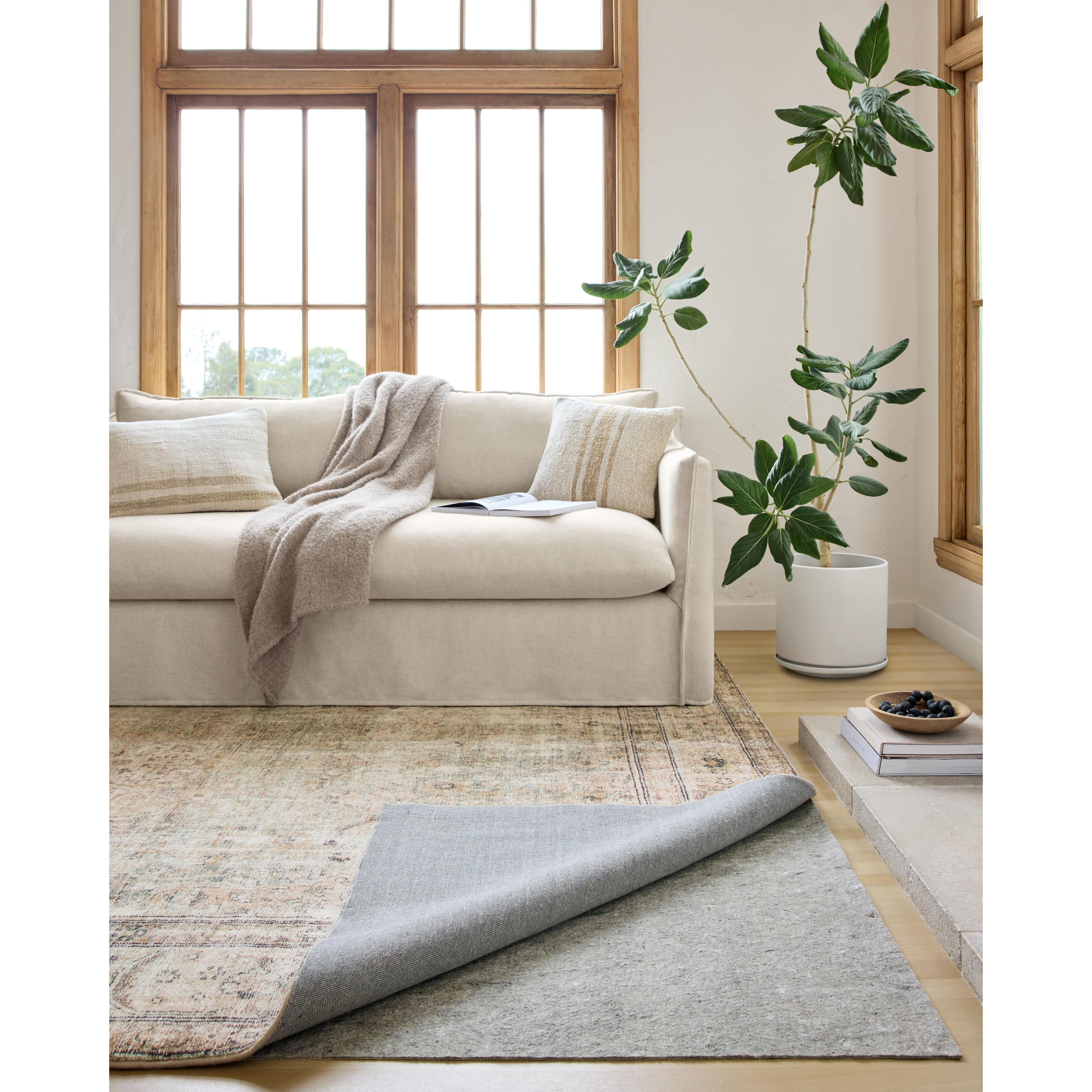
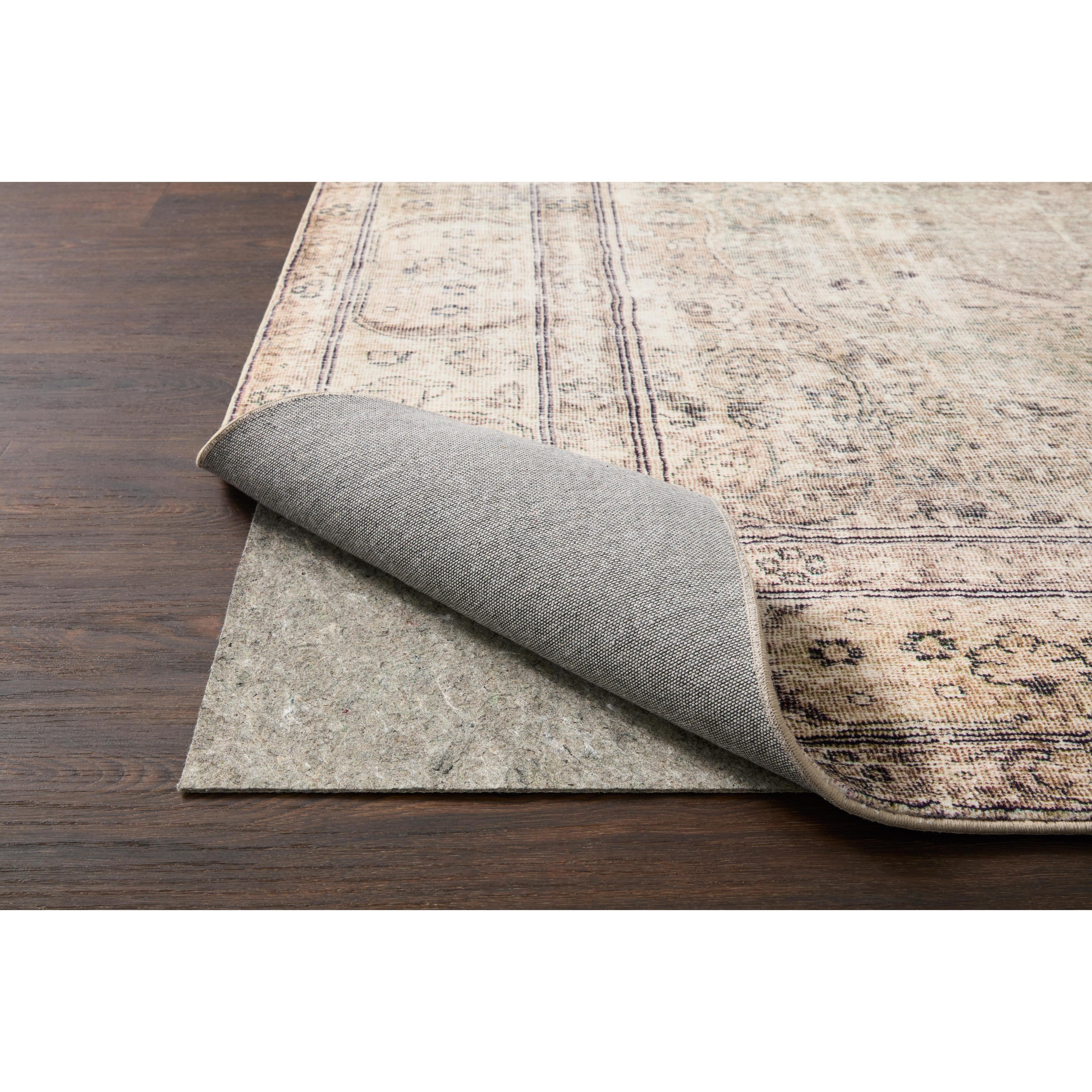
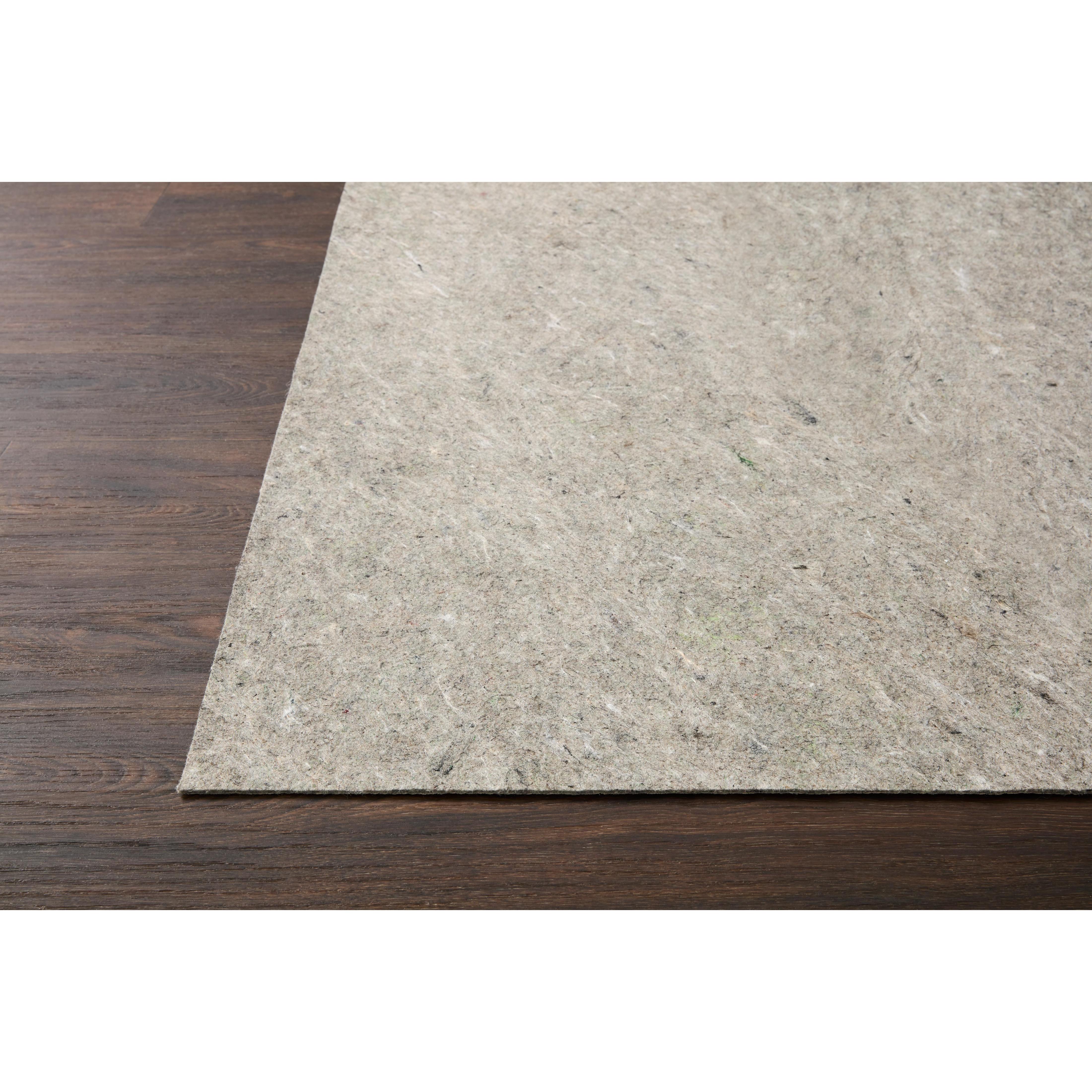
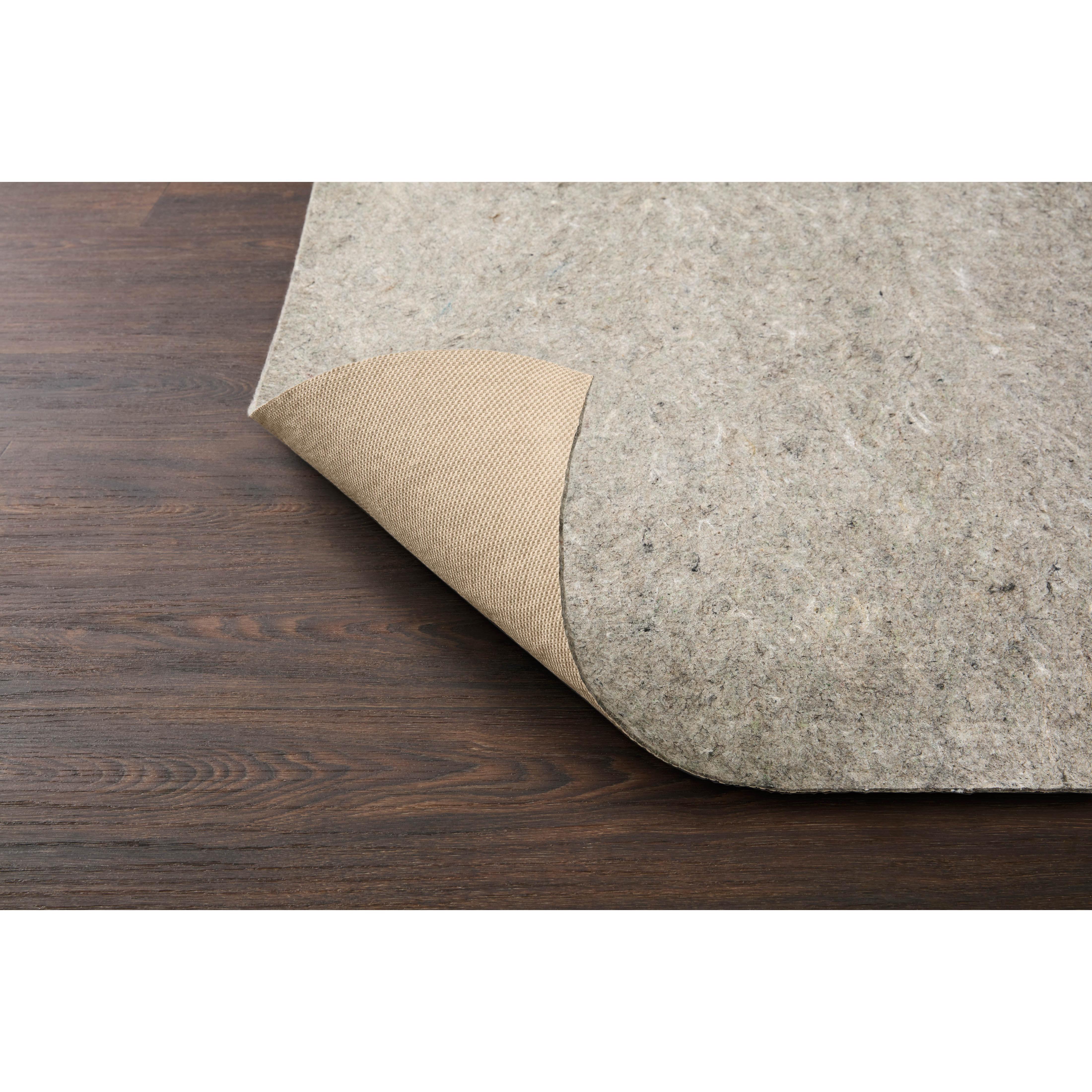
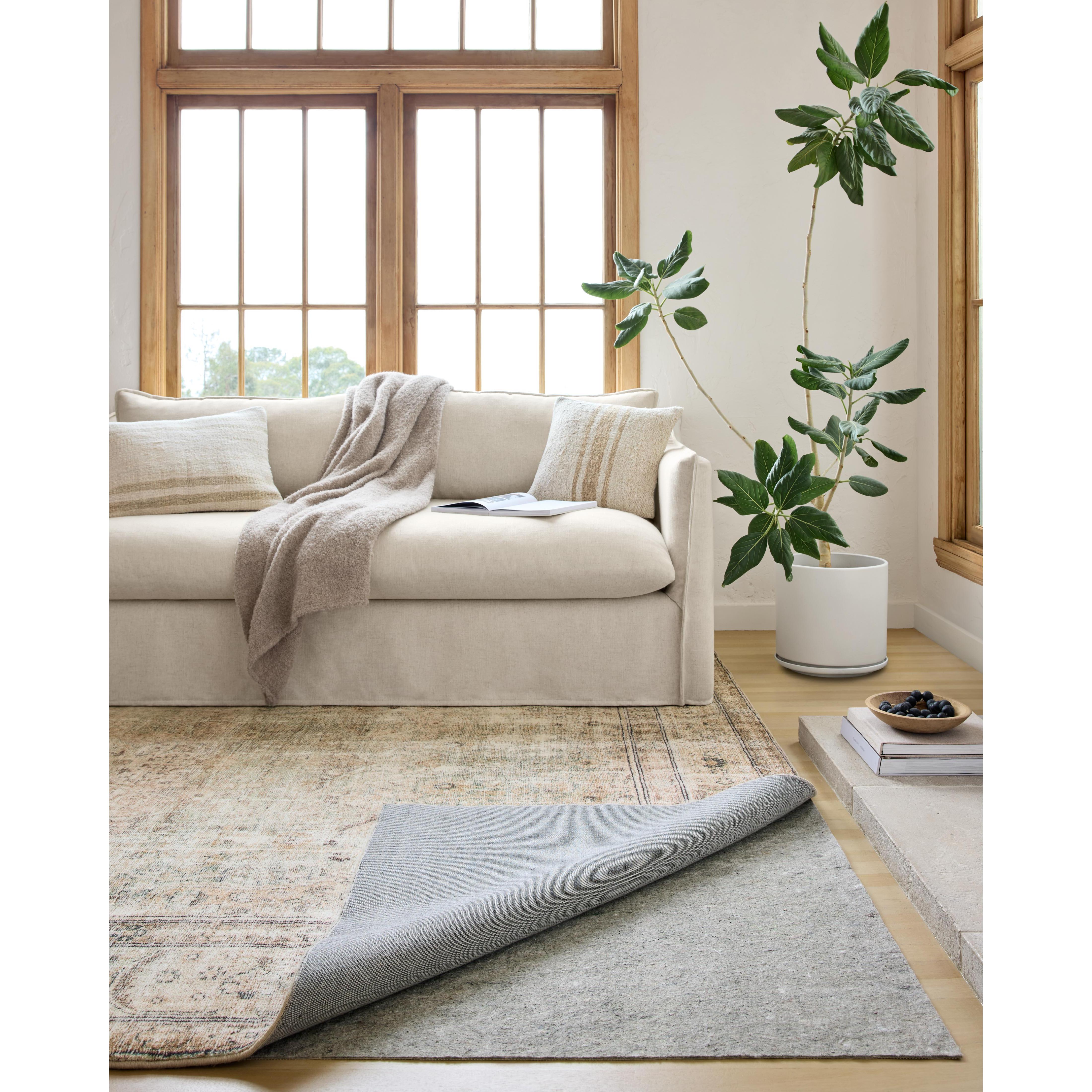
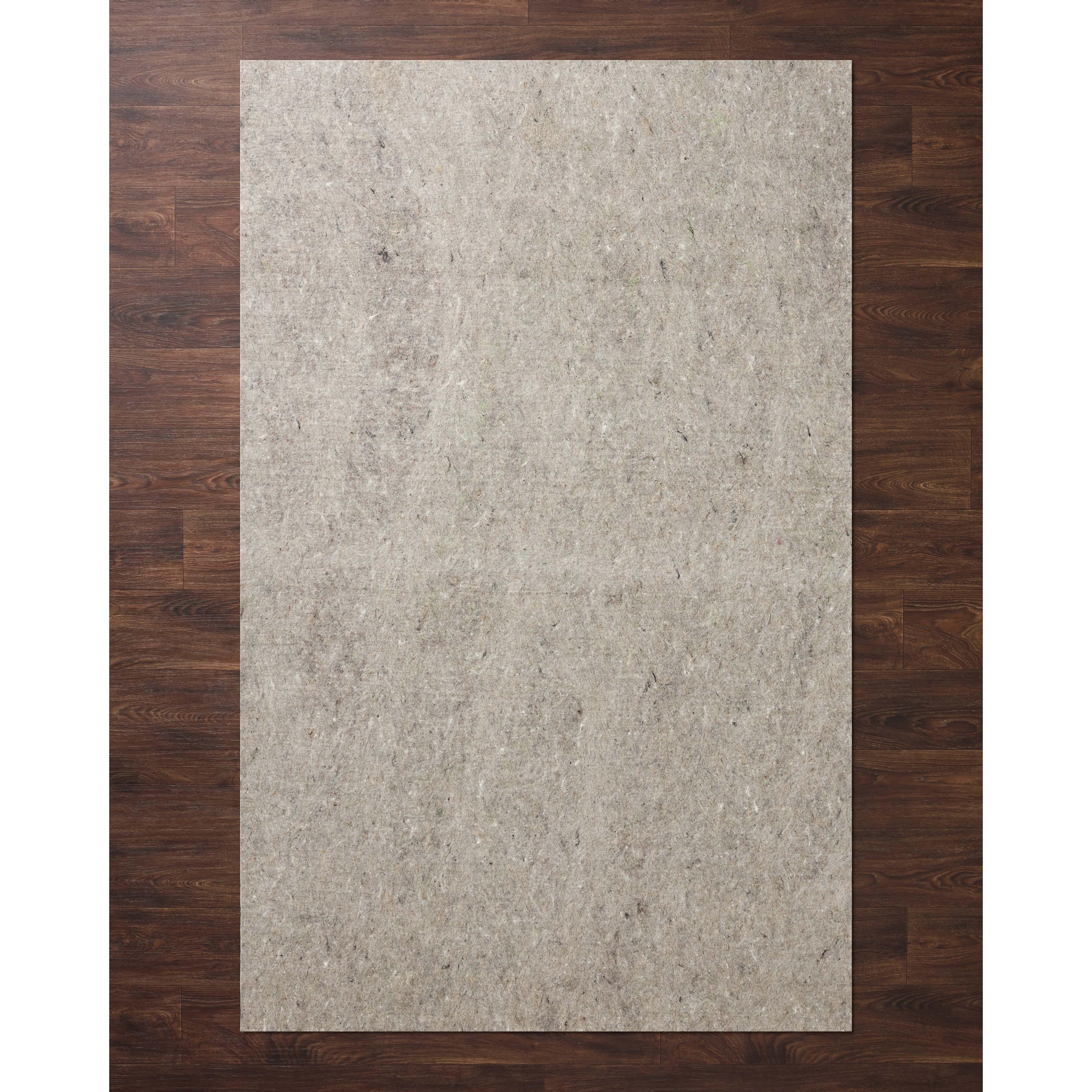
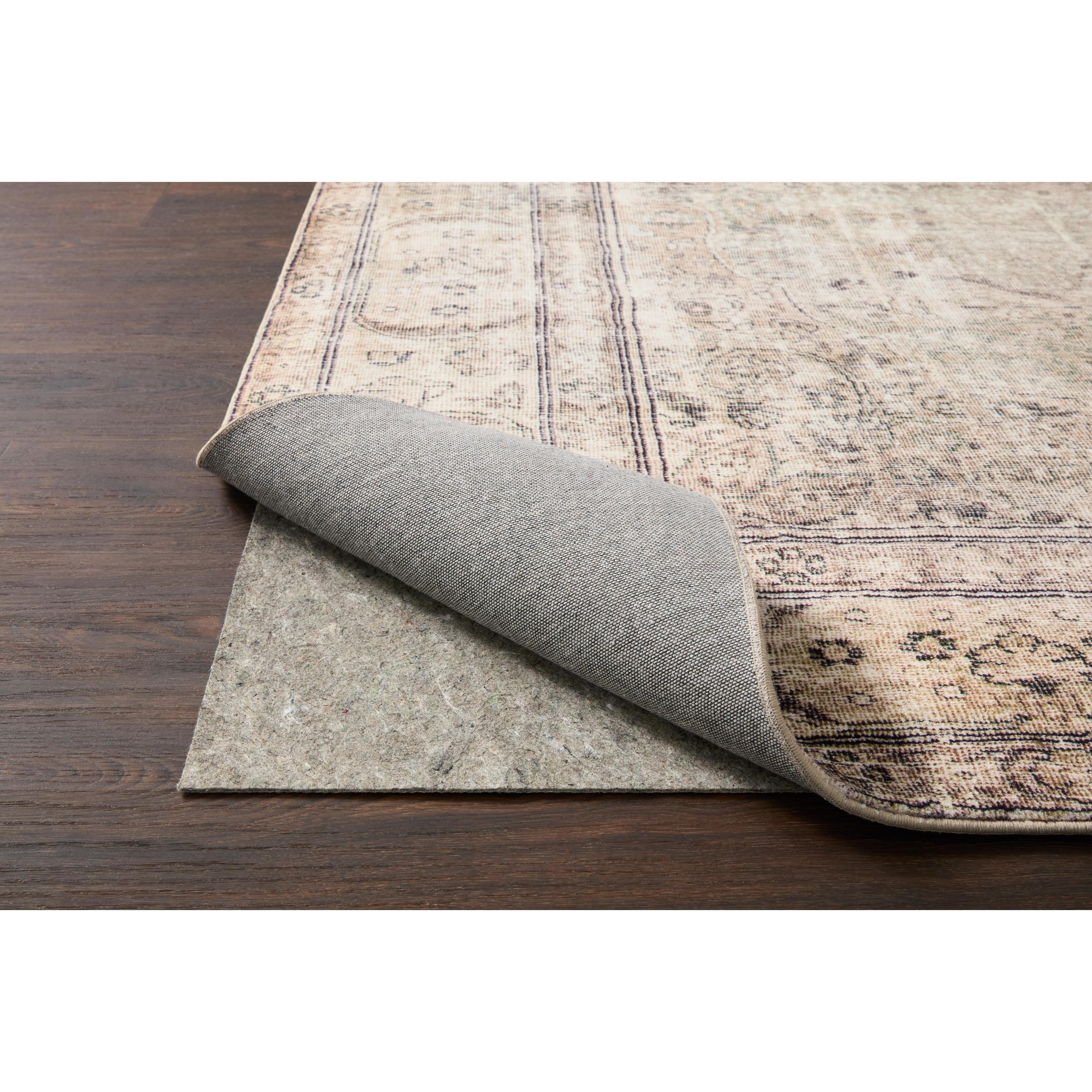
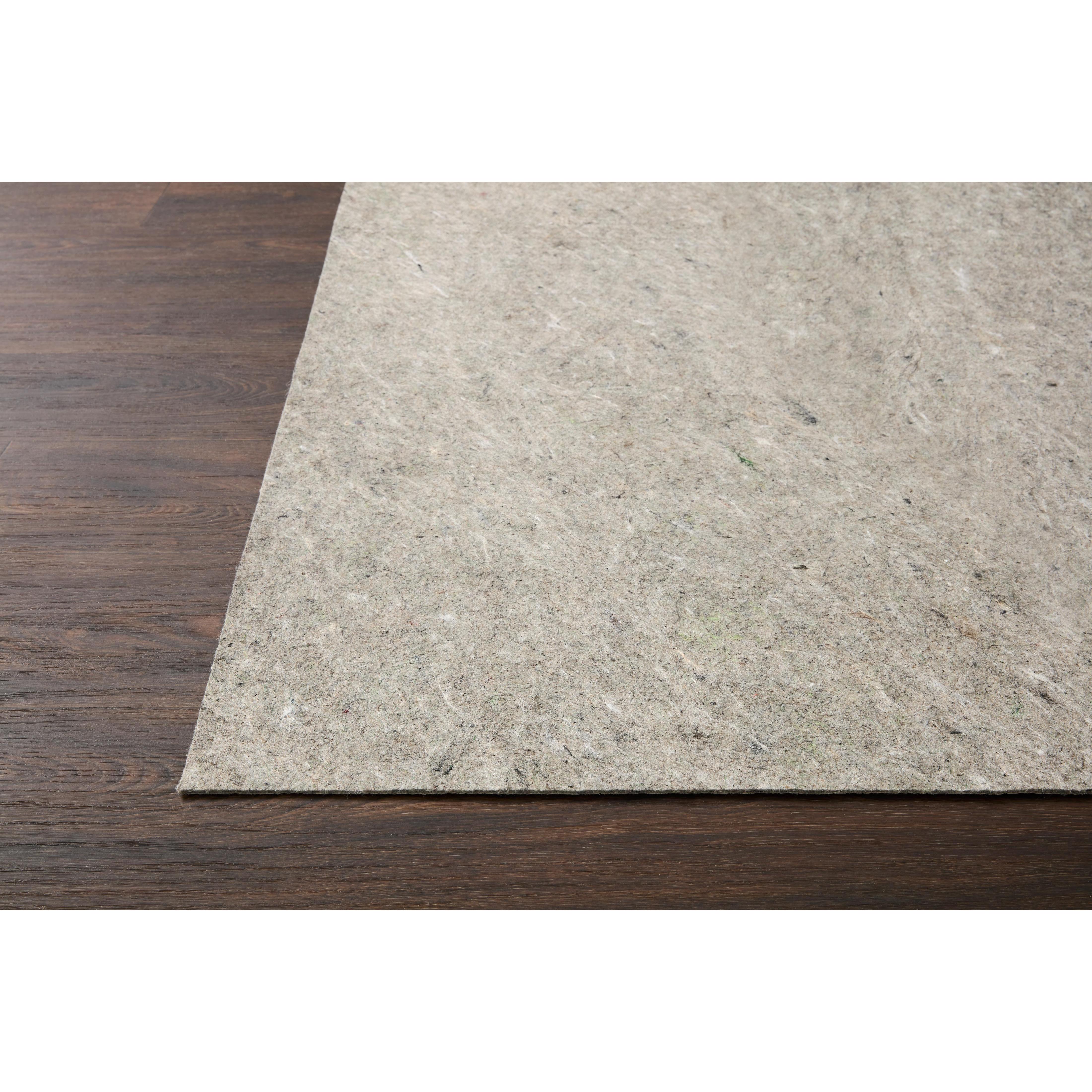
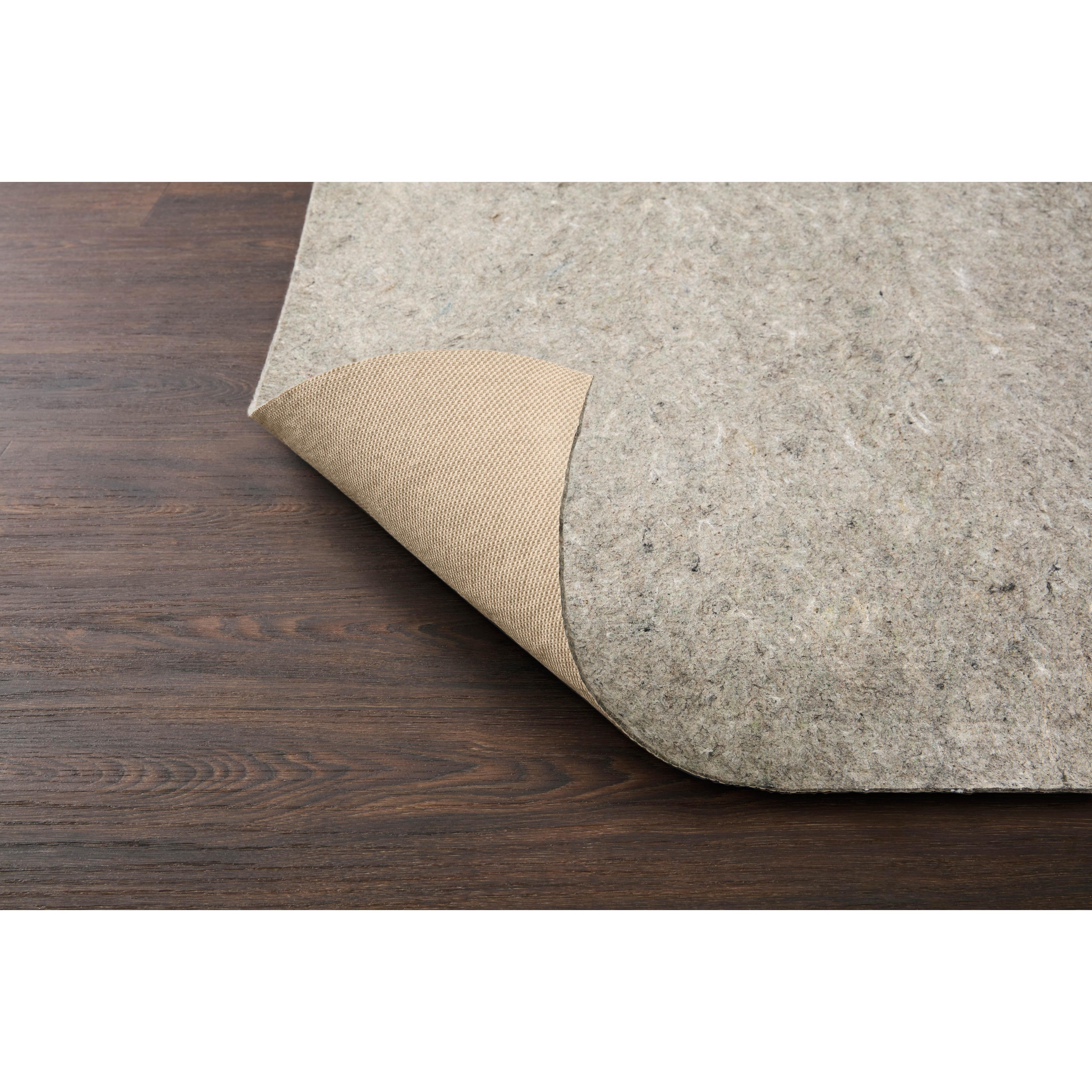
There’s more to a great rug than just its looks; it’s also about how it feels. A quality rug pad transforms the entire experience, turning a standard rug into a luxuriously cushioned surface that feels incredible underfoot. Beyond that amazing softness, it also helps with sound absorption, dampening echoes and footsteps to create a quieter, more serene home. But it’s not all about comfort. The best rug pad for hardwood floors also provides essential grip to prevent dangerous slips and protects your floor’s finish from wear and tear. It’s a small detail that makes a huge impact on the comfort, safety, and longevity of your space. Let’s explore what makes a great one.
Key Takeaways
- Protect your floors with the right materials: Always choose a rug pad made from natural rubber or felt. These materials prevent scratches and discoloration, while cheap synthetic pads can release chemicals that permanently damage your hardwood finish.
- Tailor the pad to the room's needs: Use a thin, grippy rubber pad in high-traffic areas like hallways to prevent dangerous slips. For living rooms and bedrooms where comfort is key, a thicker felt pad adds a luxurious cushion underfoot.
- Get the size right for a seamless look: Your rug pad should always be about one inch smaller than your rug on all sides. This simple step keeps the pad hidden and ensures the rug’s edges taper down to the floor, preventing curling and tripping hazards.
Why Your Hardwood Floors Need a Rug Pad
Think of a rug pad as the essential, unsung hero of your living space. It’s easy to focus all your attention on finding the perfect area rug to tie a room together, but without a quality pad underneath, you’re missing a key piece of the puzzle. A good rug pad does more than just keep your rug from slipping; it’s a multitasking powerhouse that protects your investment in both your floors and your rug.
On hardwood floors, a rug pad is non-negotiable. It acts as a critical buffer, preventing the kind of daily wear and tear that can permanently damage your beautiful wood finish. From preventing scratches caused by rough rug backings to stopping dye transfer that can stain your floors, the right pad is your first line of defense. Beyond protection, it adds a layer of safety by anchoring your rug firmly in place and introduces a level of comfort and quiet that you’ll notice every time you walk into the room. It’s a small addition that makes a huge difference in the longevity of your floors, the safety of your home, and the overall feel of your space. Let’s break down exactly why you shouldn’t skip this crucial accessory.
Protect Your Floors (and Your Rug)
Your hardwood floors are a major investment, and a rug pad is their best line of defense. Without a pad, the backing of your rug can be surprisingly abrasive. Everyday foot traffic creates constant friction, which can slowly wear away your floor’s finish, leading to scratches and dull spots. Some rug backings or dyes can even react with the polyurethane finish on your floors, causing discoloration over time. A rug pad creates a protective barrier, absorbing this impact and preventing any direct contact. It also helps your rug last longer by reducing the stress on its fibers from being crushed against a hard surface.
Prevent Slips and Trips
Safety is one of the most important reasons to use a rug pad. An unsecured rug on a smooth hardwood floor is a classic slipping hazard, especially in high-traffic areas like hallways or entryways. A rug that bunches, curls at the edges, or slides out of place can easily cause a trip or fall. A quality rug pad is designed to grip both the floor and the rug, keeping it flat and securely in place. This not only makes your home safer for everyone but also keeps your space looking neat and tidy, so you aren't constantly straightening a crooked rug.
Add Cushion and Quiet
A rug pad instantly makes any rug feel more luxurious and comfortable underfoot. It adds a supportive layer of cushioning that you can feel with every step, turning a standard rug into a plush, inviting surface. This added thickness also works wonders for sound absorption. In a busy home, a rug pad can help dampen the noise of footsteps, echoes, and conversations, creating a quieter and more serene environment. This is especially noticeable in apartments or multi-story homes where sound can easily travel between floors. It’s a simple addition that makes a big difference in the overall feel of your room.
What Makes a Great Rug Pad for Hardwood Floors?
Choosing the right rug pad for your hardwood floors is about more than just adding a little extra cushion underfoot. The wrong pad can actually cause serious, long-term damage to your floor’s finish, leaving behind stains or a sticky residue that’s nearly impossible to remove. A great rug pad, on the other hand, acts as a silent guardian for both your floors and your beautiful area rugs, extending the life of both while adding a layer of comfort. It's a small detail that makes a huge difference in the look, feel, and longevity of your space.
So, what should you look for? The best rug pads for hardwood are a combination of the right materials, the perfect thickness, and a solid, non-slip grip. It’s about finding a balance between plush comfort and steadfast protection. Think of it as an investment in preserving the beauty of your home. A quality pad will keep your rug exactly where you want it, prevent dangerous slips and bunching, and protect your hardwood from scratches, scuffs, and even spills. It also allows for better air circulation between the rug and the floor, which is crucial for the health of your hardwood. Let’s walk through the key features that separate a high-quality rug pad from one you’ll regret.
The Best Materials to Look For
When it comes to materials, keep it natural. The safest and most effective rug pads for hardwood floors are made from either 100% natural rubber, felt, or a combination of the two. Natural rubber offers an incredible grip without using any adhesives, while felt provides a soft, dense cushion that protects against friction. These materials are breathable and won't react negatively with your floor's polyurethane finish. You'll want to steer clear of pads made from PVC or synthetic latex, as these often contain chemicals and plasticizers that can stick to, stain, or permanently damage your hardwood over time. Choosing the right material is the first step to ensuring your floors stay beautiful.
Finding the Right Thickness and Density
A good rug pad should provide noticeable cushioning without making the rug feel too high off the ground. A thickness of about 1/4 inch is a great starting point for most spaces, as it offers ample protection and comfort. For larger rugs in low-traffic areas like bedrooms, you might opt for a thicker, all-felt pad for a more luxurious feel. Just as important as thickness is the size. Your rug pad should always be slightly smaller than your rug—about one inch shorter on all sides. This allows the edges of the rug to taper down to the floor, ensuring the pad remains hidden and preventing a tripping hazard.
The Importance of a Non-Slip Grip
A rug that constantly shifts, bunches, or slides around is not only annoying but also a safety risk. A strong non-slip grip is one of the most important functions of a rug pad, especially in high-traffic areas like hallways and living rooms. Pads with a natural rubber backing are excellent for this, as they grip the floor firmly without any sticky adhesives. This keeps your rug securely in place, making it safer to walk on and easier to vacuum. A stable rug also experiences less stress on its fibers, which helps it last longer and look its best. It’s a simple feature that provides both safety and peace of mind.
Why Chemical-Free Matters
You’ve invested in beautiful hardwood floors, so the last thing you want is a cheap rug pad that ruins them. Many low-cost pads are made with plastics and glues that can off-gas, releasing chemicals that react with your floor’s finish. This chemical reaction can lead to discoloration, hazy stains, and a sticky residue that is incredibly difficult to remove. To protect your investment, always choose a pad made from natural, chemical-free materials. It’s a simple step that prevents costly damage and ensures your floors remain in pristine condition for years to come, providing a safe foundation for your favorite Loloi rugs.
Look for a Moisture Barrier
Spills are an unavoidable part of life, especially in homes with kids or pets. A quality rug pad can serve as a crucial line of defense for your hardwood floors. Many felt and rubber pads are designed to be moisture-resistant, preventing liquids from seeping through the rug and soaking into the wood. This is essential because moisture can cause wood to warp, swell, and stain. Pairing a moisture-resistant pad with one of our washable rugs is a fantastic strategy for kitchens, dining rooms, or any area where spills are likely to happen. It gives you an extra layer of protection and peace of mind.
Breaking Down the Types of Rug Pads
Once you know what to look for in a quality rug pad, the next step is choosing the right type for your specific rug and room. Most pads fall into three main categories: felt, natural rubber, or a combination of the two. Each one has its own strengths, and understanding them will help you make the perfect choice for your home. Let's walk through the options so you can feel confident in your decision.
Felt: For Cushion and Comfort
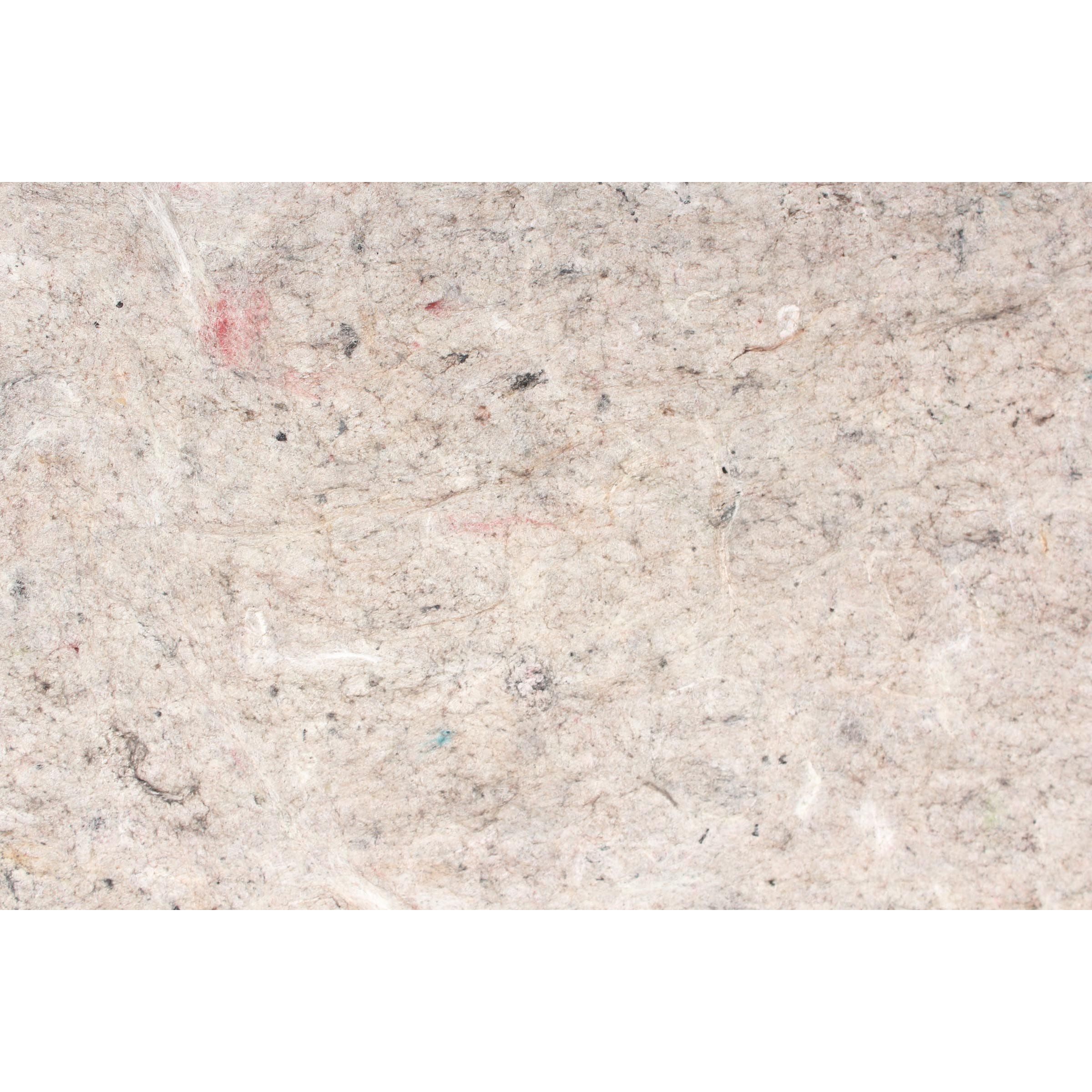
If you’re looking to add a plush, luxurious feel underfoot, a felt rug pad is your best friend. Made from dense, compressed fibers, these pads act as a substantial buffer between your rug and the floor. They provide excellent cushioning, which not only feels great but also helps with soundproofing and insulation. This makes them a fantastic choice for larger area rugs in living rooms or bedrooms that are already anchored by furniture and don’t need a lot of extra grip. The dense felt also offers top-notch protection, preventing the rug’s backing from scratching or wearing down your beautiful hardwood floors over time.
Natural Rubber: For Superior Grip
For rugs that tend to shift, bunch, or slide, a natural rubber pad is the answer. Unlike synthetic alternatives that can damage floor finishes, a quality natural rubber pad provides an unbeatable grip without sticking to or staining your hardwood. This is the best option for preventing slips, making it essential for runners in hallways, small rugs in entryways, or any rug in a high-traffic area. We especially recommend them for lighter floor coverings, like washable rugs, which are more prone to movement. A good rubber pad keeps everything securely in place, ensuring your home is both stylish and safe.
Felt + Rubber: The Best of Both Worlds
Can’t decide between cushion and grip? You don’t have to. A combination felt and rubber pad gives you the benefits of both materials in one brilliant package. These pads are designed with a slim layer of natural rubber on the bottom to grip the floor and a layer of felt on top to cushion your rug. This dual-surface design prevents slipping while adding a comfortable layer of softness and protection. It’s a versatile, all-in-one solution that works well under almost any rug in any room, offering a perfect balance of stability, comfort, and floor preservation.
When to Use Each Type
So, how do you choose? Think about the room and how you use it. For a formal dining room where the rug is held down by a heavy table, a thick felt pad adds a touch of luxury. In a busy hallway, a thin natural rubber pad is non-negotiable for safety. If you’re placing a rug in a living room or a kids' play area where you want both softness and stability, the felt and rubber combination is ideal. A thicker pad, around 1/4-inch, is great for adding extra cushion where children might be playing on the floor. Matching the pad’s function to the room’s needs is the key to success.
How to Choose the Right Size Rug Pad
Getting the right size rug pad is just as important as picking the right material. A perfectly sized pad ensures your rug lies flat, stays put, and feels great underfoot, all while remaining completely invisible. If the pad is too big, it can peek out from under the rug, creating a messy look and a tripping hazard. If it’s too small, it won’t provide enough grip or protection, and the edges of your rug might wear down unevenly.
Think of it like finding the right-sized insoles for your favorite shoes—precision is key for both comfort and performance. The goal is to have the pad be just slightly smaller than your rug, allowing the edges of the rug to relax and taper down to the floor. This creates a clean, seamless look and prevents the edges from curling up, which is a common issue with improperly sized pads. Taking a few moments to measure correctly will save you a lot of headaches later and make sure your beautiful area rug looks its absolute best on your hardwood floors. It’s a small step that makes a huge difference in the longevity and appearance of your rug.
How to Measure Your Rug for a Pad
Before you can buy a pad, you need the exact dimensions of your rug. Grab a measuring tape and measure the full length and width of the rug itself. Here’s a pro tip: don't include any fringe or tassels in your measurements. You only want to measure the main body of the rug. Jot down these numbers. If you’re buying a new rug, the dimensions are usually listed on the product page, but it’s always a good idea to measure it yourself once it arrives, just in case there are slight variations from the manufacturing process.
Sizing Rules of Thumb
The golden rule for rug pads is simple: it should be one to two inches smaller than your rug on all four sides. This means your rug pad should be two to four inches shorter and two to four inches narrower than your rug's total dimensions. For example, if you have an 8'x10' rug (which is 96"x120"), you’ll want a rug pad that is approximately 94"x118". This slight difference in size ensures the pad remains hidden while providing full support and preventing the rug’s edges from curling upward, allowing it to lie perfectly flat on your floor.
Common Sizing Mistakes to Avoid
One of the most common missteps is buying a rug pad that’s the exact same size as the rug. When the pad extends all the way to the edge, it can lift the rug, causing the edges to curl and creating a tripping hazard. On the flip side, getting a pad that’s far too small is also a problem. A tiny pad won’t provide adequate support or grip, allowing the corners and sides of your rug to shift, bunch up, and wear out faster. Taking the time to get the sizing right protects both your floors and your investment in a quality rug.
Tips for Trimming Your Pad to Size
Can’t find a pre-cut pad in the exact size you need? No problem. Most rug pads are designed to be easily trimmed at home. To get a clean, straight cut, lay your rug upside down on a clean floor and place the pad on top. Using a felt-tip marker and a straight edge or yardstick, trace the ideal dimensions onto the pad. Then, carefully cut along the lines with a sharp pair of scissors or a utility knife. This simple DIY step ensures a perfect fit for any rug, including those with unique shapes or sizes.
The Right Pad for Every Room
Not all rooms are created equal, and the same goes for rug pads. The pad that works wonders in your quiet bedroom might not be the best choice for your busy entryway. Thinking about how you use a space is the key to picking the perfect foundation for your rug. From high-traffic zones to cozy retreats, let's match the right pad to every room in your home to get the best performance, comfort, and protection.
For Hallways and Entryways
Your entryway and hallways see a lot of action. From muddy boots to rushing feet, the rugs in these areas need to stay put. Safety is the top priority here, which is why a non-slip rug pad is a must. Look for a pad with a natural rubber backing that grips the floor firmly, preventing your rug from slipping, sliding, or bunching up. This not only keeps your home safer by reducing trip hazards but also protects your hardwood from the constant foot traffic. A thin, grippy pad will secure your area rugs without adding too much height, ensuring doors can open and close freely.
For Living Rooms and Dining Areas
In spaces where you gather and relax, comfort is just as important as protection. For living rooms and dining areas, a felt pad is an excellent choice. It provides a dense, cushioned buffer between your rug and the hardwood floor, protecting it from the weight and movement of heavy furniture like sofas and dining tables. This added layer of cushioning also feels wonderful underfoot, making your living space more inviting and comfortable. A quality felt pad can even help with noise reduction, softening the sounds of footsteps and conversations to create a more peaceful atmosphere for your family and guests.
For Bedrooms and Quiet Spaces
Your bedroom is your sanctuary—a place to unwind and rest. To create an even cozier and more serene environment, choose a thick, compressed felt pad. These pads offer superior cushioning that feels luxurious when you step out of bed in the morning. Beyond comfort, a thick felt pad provides excellent soundproofing and insulation. It helps to muffle noise from other parts of the house and can even help keep the room warmer by preventing heat from escaping through the floor. This simple addition can transform your bedroom into the ultimate peaceful retreat while offering top-tier protection for your beautiful hardwood floors.
What About Kitchens and Bathrooms?
Kitchens and bathrooms are hardworking spaces where spills and moisture are common. For these areas, a non-slip pad is absolutely essential to prevent accidents. Look for a waterproof or moisture-resistant pad that can handle the occasional splash while keeping your rug securely in place. These pads are often made from rubber or a combination of materials designed for maximum grip. They are especially effective for runners and smaller mats that tend to shift with a lot of movement. Pairing a non-slip pad with one of our stylish washable rugs is the perfect combination for a safe, functional, and beautiful kitchen or bathroom.
Our Top Picks for Rug Pads
With so many options out there, finding the right rug pad can feel a little overwhelming. But don't worry, I've sorted through the noise to bring you some of the best choices based on what you might be looking for—whether that's ultimate comfort, unbeatable grip, or a smart, budget-friendly solution. Think of this as your personal shopping guide. We'll look at premium pads that feel like a dream underfoot, reliable options that keep your rugs locked in place, and even a clever hack for when you need a simple, affordable fix. The perfect pad for your beautiful area rugs is just a scroll away.
Our Premium Selections
If you’re looking to invest in pure, unadulterated comfort, a memory foam rug pad is the way to go. The RUGPADUSA Memory Foam (7/16" thick) is a top-tier choice that truly feels like walking on a cloud. It’s a favorite of designers like Emily Henderson for its luxurious cushioning and substantial weight, which helps it stay put. While it’s definitely a splurge and can be a bit tough to trim to size, the payoff is a five-star feel that adds a layer of quiet indulgence to any room. For a primary bedroom or a cozy living room where you love to be barefoot, this is an investment in everyday luxury.
Best Natural Rubber Options
When your main goal is to stop a rug from slipping and sliding, nothing beats natural rubber. These pads offer the best grip on hardwood floors, keeping your runners and area rugs securely in place. Unlike synthetic alternatives, natural rubber is a safer choice for your floor’s finish and is also a more sustainable option. We recommend looking for a solid natural rubber pad, not a waffle-style one, as the solid surface provides more contact and protection. You can learn more about choosing the right pad to ensure your floors stay pristine while your rug stays exactly where you want it.
Best Felt-Based Solutions
For larger rugs that are already anchored by heavy furniture, a thick felt pad is an excellent choice. Felt pads don’t offer the same level of grip as rubber, but they excel at providing a dense, protective cushion. This buffer not only feels great underfoot but also protects your hardwood from the friction and wear of the rug’s backing over time. According to flooring experts, felt also provides a bit of sound insulation, which is a nice bonus for second-floor rooms or apartments. It’s the perfect way to add softness and preserve the life of both your rug and your floors.
Best Budget-Friendly Choices
You don't always have to spend a lot to get a good result, especially with large, heavy rugs that don't shift easily. A clever and inexpensive alternative is to use carpet underlayment from your local hardware store. As some savvy homeowners have pointed out, it’s wonderfully cushy and often comes with a plastic backing that can prevent spills from soaking through to your hardwood. While it won't provide non-slip grip for a small entryway rug, it’s a fantastic, wallet-friendly solution for a large living room or dining room rug that just needs a little extra padding.
How to Install and Care for Your Rug Pad
Once you've found the perfect rug pad, getting it set up and keeping it in great shape is simple. A little bit of care goes a long way in making sure your pad does its job for years to come, protecting your beautiful hardwood floors and keeping your area rug exactly where you want it. Here’s everything you need to know about installation and maintenance.
A Step-by-Step Installation Guide
Getting your new rug pad in place is a quick and easy job. First, make sure your hardwood floor is clean and dry. Then, lay your rug pad down. The key is to make sure the pad is slightly smaller than your rug—about one to two inches shorter on all sides. This small gap is important because it prevents the pad from peeking out and ensures your rug lays flat at the edges. If your pad is too big, simply trim it with a pair of sharp scissors. Once the pad is in place, roll your rug out over it, smoothing out any wrinkles as you go.
Keeping Your Rug Pad Clean
Just like your rug, your rug pad needs a little attention to stay fresh and effective. When you vacuum your rug, lift a corner and vacuum the pad underneath to pick up any dust or debris that has settled. Some rug pads are even washable, which is a fantastic feature for high-traffic areas. If you have a washable rug and pad, always follow the manufacturer’s instructions to keep it in good condition and extend its life. A clean pad not only works better but also lasts longer, making it a worthwhile part of your cleaning routine.
How to Know When It's Time for a New Pad
Rug pads work hard, but they don’t last forever. Over time, they can lose their grip and cushioning. It’s a good idea to check on your pad every year or so, especially in areas with a lot of foot traffic. Look for signs of wear like thinning spots, tears, or crumbling pieces. If the pad feels brittle or no longer keeps the rug securely in place, it’s time for a replacement. Using a worn-out pad can reduce the protection for your hardwood floors and create a slipping hazard, so it's important to replace it when needed.
Understanding Your Warranty
A good rug pad is an investment in protecting your floors, and many manufacturers back their products with a warranty. Before you make a purchase, take a moment to check the warranty details. A solid warranty often covers premature wear or manufacturing defects, giving you extra confidence in your choice. Think of it as an insurance policy for your pad. Knowing what’s covered can save you headaches down the road and ensures you’re getting a quality product. It's one of the simple rug buying tips that can make a big difference.
What to Avoid When Shopping for a Rug Pad
Choosing a rug pad might seem like a minor detail, but making the wrong choice can lead to some major headaches, including permanent damage to your beautiful hardwood floors. It’s not just about adding cushion; it’s about protecting your investment from the ground up. To make sure you get it right, let’s walk through the common pitfalls and what to steer clear of when you’re shopping.
Materials and Chemicals to Steer Clear Of
The number one rule for protecting hardwood floors is to avoid rug pads made from synthetic rubber or those with aggressive adhesives. These materials contain chemicals and plasticizers that can react with your floor’s finish, causing discoloration, staining, or a sticky residue that’s nearly impossible to remove. Always check the product description to ensure the pad is specifically made for hardwood and is free from harsh chemicals. A quality pad will protect your floors, not harm them, ensuring your stunning area rugs can be enjoyed for years without worry.
Don't Sacrifice Quality for Price
It can be tempting to grab the cheapest rug pad on the shelf, but this is one area where you truly get what you pay for. Low-cost pads are often the ones made with the damaging synthetic materials we just talked about. Think of a quality rug pad as an insurance policy for your floors. Spending a little more upfront on a pad made from high-quality, non-reactive materials like natural rubber or dense felt can save you from the massive expense and hassle of repairing or refinishing your hardwood floors down the line.
Red Flags and Misleading Claims
Be wary of rug pads with vague or missing information about their material composition. If a manufacturer isn’t transparent about what’s in their product, that’s a major red flag. Some cheap pads contain sticky glues or toxic chemicals that can not only damage your floor but also release harmful gases into your home, a process known as off-gassing. Always look for pads that are clearly labeled with their materials. This is especially important for high-traffic or sensitive areas where you might place practical, stylish washable rugs.
Common Mistakes Shoppers Make
One of the most frequent mistakes is buying the wrong size pad. A rug pad should never be the same size as your rug or larger. It needs to be slightly smaller—about one to two inches less on all sides. This allows the edges of the rug to relax and taper down to the floor, which prevents the pad from peeking out and reduces the risk of tripping. Always measure your rug’s dimensions accurately before you buy a pad, and don’t be afraid to trim it down for a perfect, invisible fit.
Related Articles
- Why a Rug Pad is Essential and How to Choose One
- 5 Best Non-Slip Rug Pads for Carpet in 2025
- Firm Hold Plush 0003C Rug Pad
Frequently Asked Questions
Can a cheap rug pad actually ruin my hardwood floors? Yes, it absolutely can. Many inexpensive pads are made from PVC or synthetic materials that contain chemicals and plasticizers. Over time, these can react with your floor's finish, leaving behind a sticky residue or permanent discoloration. Investing in a quality pad made from natural rubber or felt is like buying an insurance policy for your beautiful floors.
Do I still need a rug pad if my rug is anchored by heavy furniture? Even if your rug isn't going to slip, a pad is still a great idea. The main reason shifts from grip to protection and comfort. A felt pad, for instance, provides a crucial buffer that prevents the rug's backing from scratching your floor's finish due to tiny movements. It also adds a layer of cushioning that makes the rug feel more luxurious and helps absorb sound in the room.
My rug keeps slipping. What's the best type of pad to stop that? For a rug that won't stay put, your best bet is a pad made from 100% natural rubber. It offers a fantastic grip on smooth surfaces like hardwood without using any sticky adhesives that could harm the floor. This is especially important for runners in hallways or smaller rugs in entryways where slipping is a real safety concern.
How do I choose between a thick pad for comfort and a thin one for grip? Think about the room's function. If you want that plush, cloud-like feeling in a low-traffic area like a bedroom, a thicker felt pad is perfect. For high-traffic zones like hallways where safety is the priority, a thin, grippy rubber pad is the way to go. If you want the best of both, look for a combination pad that has a felt top for cushion and a rubber bottom for grip.
What if I can't find a pad that's the exact right size for my rug? That's perfectly fine, and it's a very common situation. Most quality rug pads are designed to be easily trimmed at home. Just buy a pad that's slightly larger than what you need. Lay your rug upside down, place the pad on top, and use a marker to trace a line about one inch in from the rug's edge on all sides. Then, a sharp pair of scissors is all you need to get a perfect custom fit.