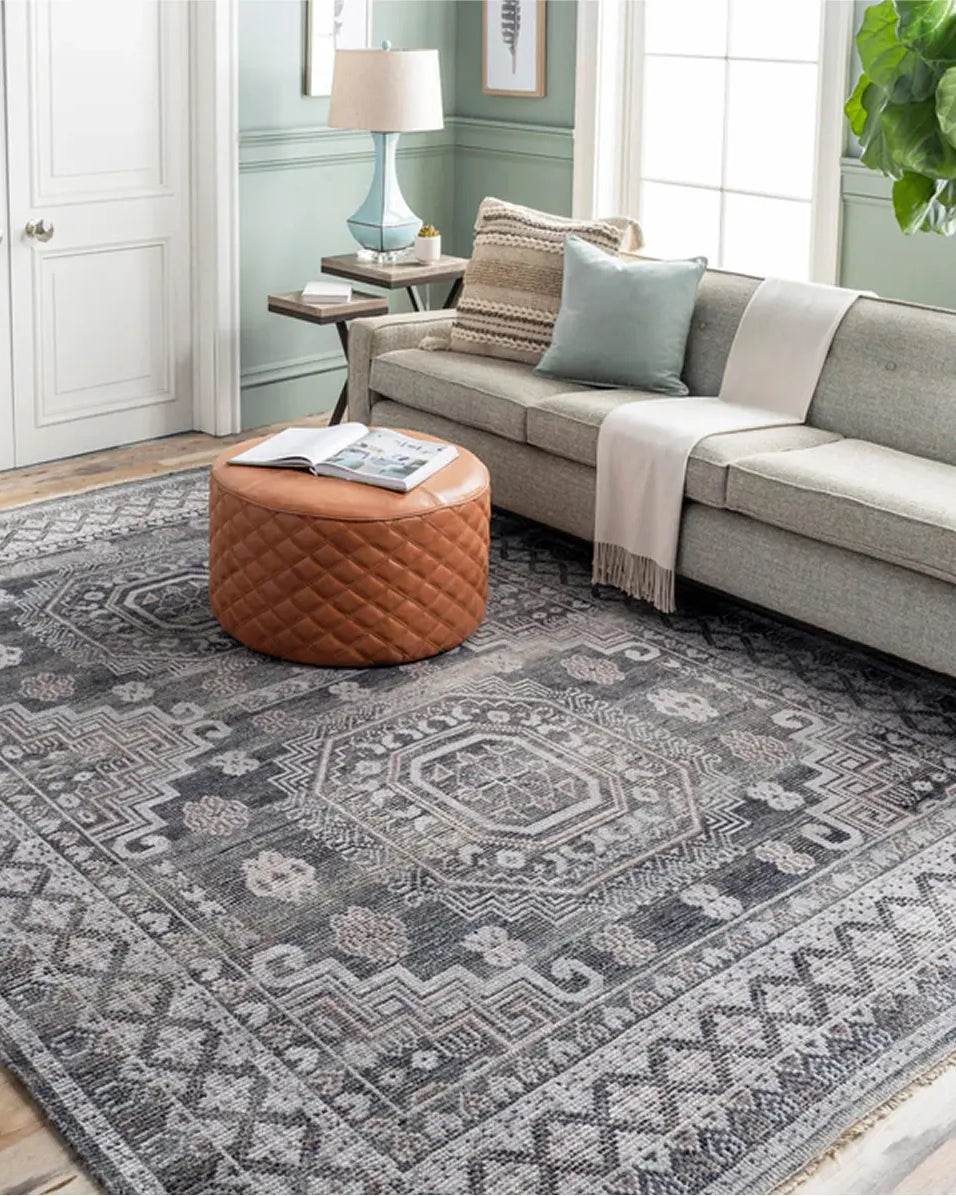
Let’s be honest, the term "natural fiber rug" can sometimes bring to mind something bland, beige, and scratchy. But that image is long overdue for an update. While known for their classic, earthy look, modern sisal rugs are anything but one-note. They come in a variety of sophisticated weaves, from herringbone to bouclé, and can be dyed in a whole spectrum of beautiful colors to complement any decor. They offer a unique combination of structured style and incredible resilience. This guide will give you the complete picture, covering their surprising versatility, their tough-as-nails durability, and the practical things you need to know about their texture and care before you buy.
Key Takeaways
- Know Where It Shines (and Where It Doesn't): Sisal's incredible durability makes it a perfect match for high-traffic zones like entryways and living rooms. Just remember its one weakness: moisture. Keep it in dry areas of your home to avoid water stains and potential damage.
- Choose Texture Over Plushness: Sisal brings a beautiful, earthy texture to any room, but it feels firm and coarse, not soft and fluffy. It's ideal for grounding a space with natural style, but if you're looking for sink-your-toes-in comfort, you might prefer a different material.
- Clean with Care and Speed: The secret to keeping a sisal rug looking great is simple: vacuum it regularly (without a beater bar) and act fast on spills. Blot any liquid immediately with a dry cloth—never rub or use water, which can create a bigger stain.
What Exactly Is a Sisal Rug?
If you've been searching for a rug that's both stylish and strong, you've probably come across sisal. These natural fiber rugs are a favorite among designers and homeowners for their earthy texture and incredible durability. But what are they, really? Understanding where sisal comes from and how it's made can help you decide if it’s the perfect foundation for your space. Let's get into the details.
What Are They Made Of?
Sisal rugs begin their life as a plant—specifically, the Agave sisalana cactus. The long, tough fibers are harvested from the plant's leaves, making sisal a completely natural and renewable resource. This is a huge plus if you're trying to make more sustainable choices for your home. Because they're made from plant fibers, these rugs bring an organic, earthy texture into any room that synthetic materials just can't replicate. They are a beautiful and eco-conscious choice when you're shopping for new area rugs to ground your space.
How Are They Made?
Once the fibers are harvested from the agave plant, they're dried in the sun and spun into a strong, twine-like yarn. This yarn is then tightly woven, usually in a straight, uniform pattern, to create the final rug. This tight weaving process is what gives sisal its signature durability and coarse texture, making it an absolute workhorse for high-traffic areas. Think entryways, hallways, and living rooms where kids and pets are constantly on the move. The sturdy construction means your sisal rug can handle daily life without showing wear and tear as quickly as softer, more delicate options might.
Popular Styles and Sizes
Forget any idea that natural fiber rugs are one-note. While sisal is famous for its classic, neutral tan color, it's incredibly versatile. The fibers take dye beautifully, so you can find sisal rugs in a whole spectrum of colors, from soft blues to rich charcoals. They also come in various weave patterns, like classic bouclé, chunky tiger-eye, or sophisticated herringbone, each offering a different level of texture. Whether your style is coastal, modern farmhouse, or minimalist, there’s a sisal area rug to match. You can find them in every size imaginable, from runners to large, room-defining pieces.
The Pros: Why Choose a Sisal Rug?
If you're drawn to the earthy, textured look of sisal, you'll be happy to know its beauty is more than skin deep. These rugs are a fantastic choice for so many reasons beyond their classic style. They bring a unique combination of strength, sustainability, and practical benefits that synthetic rugs just can't match. Think of a sisal rug as the reliable, stylish friend who’s also secretly a superhero for your home. It’s tough enough to handle the daily chaos of a busy household while adding a layer of natural warmth and texture that makes any space feel more inviting. From their eco-friendly origins to their surprising ability to make a room quieter, sisal area rugs offer a compelling list of advantages. Let's get into what makes them such a smart and stylish addition to your home.
They're Incredibly Durable
One of the biggest selling points of a sisal rug is its incredible durability. Made from the long, strong fibers of the agave plant, these rugs are built to last. This makes them an ideal choice for the busiest spots in your home—think hallways, entryways, living rooms, and even home offices. The tough, coarse fibers can stand up to constant foot traffic without showing the wear and tear you might see in softer rugs. If you have kids, pets, or just a bustling household, you can count on a sisal rug to hold its own. Its robust nature means you get a rug that looks great not just for a season, but for years to come.
A Sustainable, Eco-Friendly Choice
Choosing a sisal rug is a decision you can feel good about. These rugs are crafted from 100% natural fibers harvested from the agave plant, a highly renewable resource that requires minimal pesticides or fertilizers to grow. This makes sisal a wonderfully sustainable option for anyone looking to make more environmentally conscious choices in their home decor. At the end of its long life, a sisal rug is completely biodegradable, meaning it will return to the earth without leaving a lasting footprint. It’s a simple way to bring natural, non-toxic materials into your home while supporting sustainable practices.
They Naturally Dampen Sound
Ever notice how sound seems to echo in rooms with hard flooring? A sisal rug can help with that. The dense, woven texture of the natural fibers is excellent at absorbing sound, which can make a noticeable difference in the acoustics of a room. Placing a sisal rug in a living room, bedroom, or hallway can help muffle footsteps and reduce ambient noise, creating a quieter and more peaceful atmosphere. Beyond sound, these fibers also act as a natural insulator, helping to keep your rooms a little warmer in the winter and cooler in the summer. It’s a small touch that adds a lot of comfort.
Say Goodbye to Static
If you’ve ever shuffled across a synthetic carpet in socks and gotten a static shock from a doorknob, you’ll appreciate this benefit. Because sisal is a natural plant fiber, it doesn't conduct static electricity. This means no more surprise zaps, especially during dry winter months. This quality also means sisal rugs tend to repel dust and don't attract lint or hair the way some synthetic materials do. While not a hypoallergenic miracle, the tight weave and low pile make it harder for allergens to get trapped, making it a solid choice for maintaining cleaner air in your home.
Versatile Style for Any Room
Sisal rugs are a designer's favorite for a reason: they are incredibly versatile. Their neutral, earthy tones and rich texture provide a perfect foundation for almost any design style, from coastal and bohemian to modern farmhouse and minimalist. A sisal rug can ground a room, adding warmth and texture without overwhelming the space. While known for their natural golden-beige hue, they can also be dyed in a variety of colors and woven into different patterns, like herringbone or diamond weaves. Brands like Surya and Loloi offer beautiful options that prove just how adaptable this natural fiber can be.
The Cons: What to Know Before You Buy
I absolutely love the look and feel of a sisal rug, but let’s be real—no rug is perfect for every single situation. Before you add one to your cart, it’s smart to know about the potential downsides. Think of it less as a list of negatives and more as a guide to making sure a sisal rug is the right fit for your home and lifestyle. The biggest things to consider are its relationship with moisture, its unique texture, and what’s involved in cleaning up spills.
Sisal’s durability also comes at a certain price point, and its placement in your home is key to its longevity. These aren’t deal-breakers by any means, but they are important details that will help you shop with confidence. By understanding both the pros and the cons, you can choose a rug you’ll be happy with for years to come. Let’s get into the specifics so you can decide if sisal is your perfect match.
They Don't Love Moisture
Here’s the most important thing to know about sisal: it does not like water. These rugs are made from natural plant fibers that are incredibly absorbent, which means they can soak up humidity, spills, and moisture right out of the air. When a sisal rug gets wet, it can lead to water stains, discoloration, and even warping or mildew. This is why you should never place a sisal rug outdoors, on a patio, or in any room with high humidity. Keep them far away from bathrooms, kitchens, laundry rooms, and damp basements to ensure they stay looking their best.
How Do They Feel Underfoot?
If you’re dreaming of a plush, sink-your-toes-in rug, sisal might not be what you’re looking for. Its fibers are known for their coarse, firm texture. Some people love this rustic, massaging feel, describing it as a connection to nature. Others might find it a bit rough, especially if they’re used to soft wool or synthetic rugs. It’s not the kind of rug you’d want to lounge on for a movie night. For bedrooms, playrooms, or any space where you want ultimate softness, you might prefer one of our cozy washable rugs instead.
Spills Can Be Tricky to Clean
Because sisal fibers are so absorbent, they can soak up spills in a flash. This means you have to act quickly to prevent a permanent stain. Unlike a synthetic rug that you can often scrub, cleaning sisal requires a "dry" approach. Using too much water or steam cleaning can actually make the stain worse by causing the natural dyes to bleed and leaving a water ring. The key is to blot any liquid immediately with a clean, dry cloth and use a cleaning kit specifically designed for natural fibers. We’ll cover more cleaning tips later on, but it’s good to know that sisal requires a little extra care.
Understanding the Price
When browsing area rugs, you might notice that sisal is often priced higher than other natural fiber options like jute. There’s a good reason for this: you’re paying for exceptional durability. Sisal is one of the strongest natural fibers available, making it a fantastic investment for high-traffic areas. While the initial cost may be more, a well-maintained sisal rug will outlast many other types of rugs, saving you from having to replace it every few years. Think of it as a long-term choice for spaces that see a lot of action.
Finding the Right Room
Choosing the right location for your sisal rug is everything. When you place it in the perfect spot, its best qualities truly shine.
Best Spots for a Sisal Rug
Sisal’s incredible strength makes it ideal for the busiest parts of your home. It performs beautifully in hallways, entryways, and living rooms where people are always coming and going. It’s also a fantastic choice for a home office, as it holds up well under rolling chairs and constant foot traffic. These dry, high-traffic areas are where a sisal rug will not only look great but also last for a very long time.
Rooms to Avoid
As we’ve covered, any room with moisture is a no-go for sisal. That means you should avoid placing it in kitchens, where spills are common, and bathrooms or laundry rooms, where humidity is high. Uncovered patios and outdoor spaces are also out of the question, as rain and direct sunlight can cause irreversible damage. Finally, if you have pets who are prone to accidents, you might want to reconsider, as cleaning up pet stains can be particularly challenging on sisal’s absorbent fibers.
How Sisal Compares to Other Natural Fibers
Sisal is a fantastic choice, but it’s just one of many beautiful natural fibers available for your home. Each one has its own personality, texture, and ideal placement. Understanding the key differences will help you choose the perfect rug for your space and lifestyle. Whether you’re looking for something soft and cozy or tough and textured, there’s a natural fiber area rug out there for you. Let’s break down how sisal stacks up against a few other popular options.
Sisal vs. Jute
Think of sisal and jute as cousins with very different personalities. Sisal, made from the agave plant, is the tougher, more structured of the two. Its coarse, strong fibers make it a workhorse for high-traffic areas like entryways, hallways, and living rooms. Jute, on the other hand, comes from the stem of the Corchorus plant and is known for being much softer and smoother underfoot. This makes it a great choice for bedrooms or family rooms where you might be sitting on the floor. The trade-off is durability; jute is more delicate and best suited for lower-traffic spots.
Sisal vs. Seagrass
Sisal and seagrass are both champions of durability, but they differ in texture and maintenance. Seagrass rugs are woven from a type of underwater grass, giving them a smooth, slightly waxy feel that’s surprisingly stain-resistant. Spills tend to bead on the surface, making cleanup easier. However, seagrass doesn’t take dye well, so your color options are limited to its natural, hay-like tones. Sisal offers a bit more variety in neutral shades and patterns but is much more absorbent. A spilled glass of red wine on a sisal rug requires immediate attention, while seagrass is more forgiving.
Sisal vs. Wool
When you compare sisal to wool, the biggest difference is comfort. Wool is the gold standard for softness and luxury. It feels plush and warm underfoot, making it a dream for bedrooms and cozy living areas. Wool fibers are also naturally resilient and easier to clean than sisal. Sisal provides a firm, textured feel that’s more about durability and a natural, earthy aesthetic. While it’s perfect for layering or defining a busy space, it doesn’t offer the same sink-your-toes-in comfort as wool. If you prioritize a soft landing spot, wool is your winner, but for structured style in a high-traffic zone, sisal holds its own.
How to Care for Your Sisal Rug
One of the best things about sisal rugs is their low-maintenance nature. They don’t require a complicated cleaning schedule, but there are a few key things to remember to keep yours looking fresh and beautiful for years. The golden rule? Keep it dry. Sisal is a natural fiber that isn't a fan of moisture, so a little preventative care and quick action on spills will make all the difference. With the right approach, you’ll find that caring for your sisal rug is surprisingly simple.
Your Regular Cleaning Routine
The single most important thing you can do for your sisal rug is to vacuum it regularly. This simple step prevents dirt and dust from settling deep into the woven fibers, which can cause them to break down over time. Aim to vacuum at least once a week—more often if it’s in a high-traffic area.
When you vacuum, use a suction-only attachment. A beater bar or rotating brush can be too aggressive and may pull or fray the natural fibers. For the most thorough clean, vacuum the rug from different directions to lift any trapped particles. This consistent routine is your best defense against everyday wear and will keep your rug’s natural texture looking its best.
How to Handle Spills and Stains
If a spill happens, your motto should be: act fast! Sisal fibers are incredibly absorbent, and liquids can quickly soak in and cause discoloration or water spots. The moment you notice a spill, immediately blot the area with a clean, dry cloth or paper towel. It's crucial to blot, not rub, as rubbing can push the liquid deeper into the fibers and damage the rug’s texture.
For solid messes, gently scrape them off with a dull knife or spoon. If the area is damp, you can use a hairdryer on a low-heat setting to dry it quickly and completely. This helps prevent the water from leaving a permanent mark. For tougher stains, a dry-cleaning powder made for natural fibers is a much safer bet than water-based cleaners.
When to Call a Professional
While you can handle most minor spills at home, some situations are best left to the experts. If your rug gets completely soaked or you’re dealing with a large, stubborn stain (like red wine or pet accidents), calling a professional is your safest option. Trying to deep clean a sisal rug yourself with water or steam can lead to irreversible damage, like shrinking, browning, or mildew.
Look for a professional cleaning service that has specific experience with natural fiber rugs. They’ll have the right tools and solvent-based cleaning methods to treat the stain without oversaturating the fibers. Think of it as an investment in protecting the life and beauty of your rug—sometimes, it’s better to be safe than sorry!
Simple Tips for Long-Lasting Beauty
Beyond regular vacuuming, a few extra steps can significantly extend the life of your sisal rug. Consider applying a fabric protector spray designed for natural fibers. This creates an invisible barrier that helps repel liquids, giving you a few extra moments to clean up spills before they set in.
To ensure your rug wears evenly, rotate it 180 degrees every six months to a year. This is especially important for area rugs in busy spots like living rooms or hallways. Finally, placing your sisal rug in a dry area of your home is the best way to protect it. For spill-prone zones like the kitchen or a child's playroom, you might consider a durable, washable rug instead.
Ready to Shop? Where to Find Sisal Rugs
Feeling confident that a sisal rug is the right fit for your home? That's great! The next step is finding the perfect one. With so many options out there, it helps to know where to look for quality, style, and value. Let's walk through some of the best places to find beautiful sisal rugs and what to look for when you're making your final choice.
Our Top Picks for Retailers
Finding a retailer with a great selection and reliable quality is key. Here are some of the top spots to start your search for the perfect sisal rug.
The Rug District
We pride ourselves on offering a wide selection of stylish and durable natural fiber rugs, including beautiful sisal options. You’ll find a variety of styles from top brands, all with the convenience of shopping from home and free shipping across Canada.
Safavieh
Safavieh is a go-to for many homeowners because they masterfully blend quality with affordability. Their sisal collections are extensive, offering timeless designs that can stand up to everyday life.
Surya
If you're looking to add a layer of texture and warmth to your room, Surya is a fantastic brand to explore. They offer a diverse range of sisal rugs that feel both modern and inviting.
Nourison
For those high-traffic areas like hallways and living rooms, Nourison designs its sisal rugs with durability at the forefront, ensuring they maintain their good looks.
Loloi
Known for thoughtful craftsmanship, Loloi’s sisal rugs are crafted with incredible attention to detail, delivering both enduring style and the durability your home needs.
Crate & Barrel
A trusted name in home furnishings, Crate & Barrel features a curated collection of high-quality sisal rugs that are consistently well-reviewed for their sophisticated designs.
Annie Selke
Specializing in natural fiber rugs, Annie Selke focuses on selecting high-quality raw materials to create sisal rugs that are not only durable but also surprisingly soft underfoot.
Smart Shopping Tips
Once you've found a few potential rugs, how do you make the final call? Keep these simple tips in mind to ensure you're choosing a piece you'll love for years to come.
How to Judge Quality
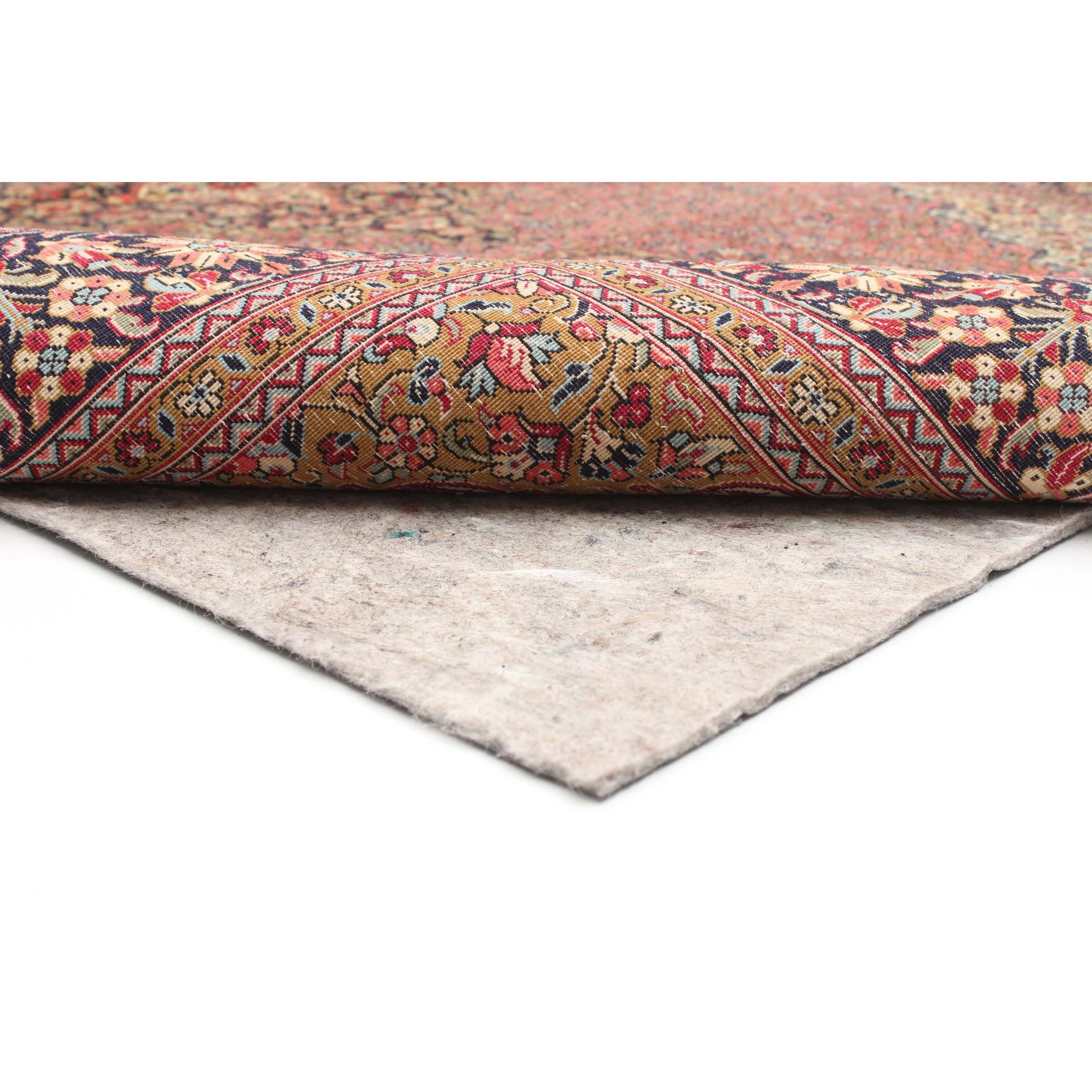
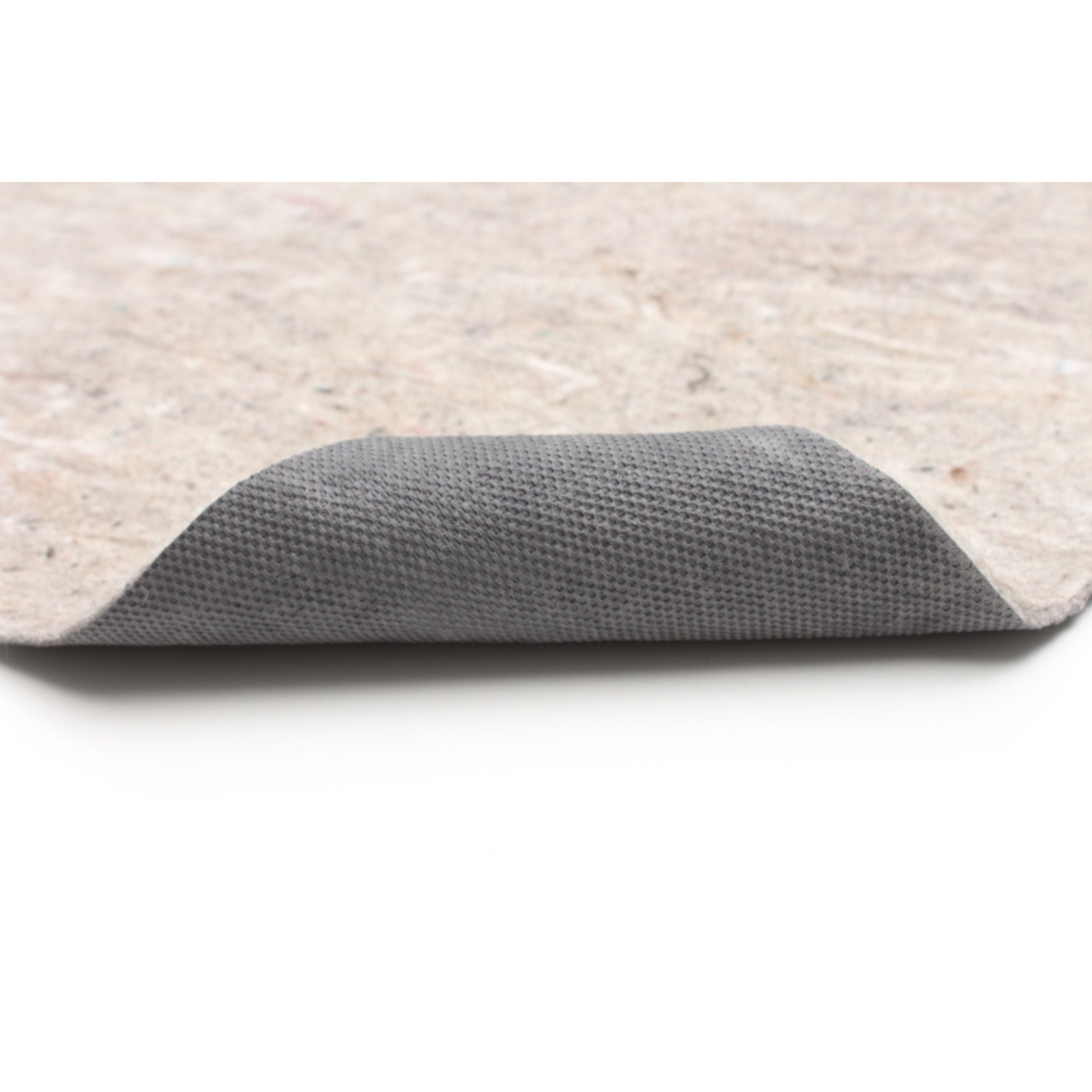
A high-quality sisal rug feels tight and densely woven. Because sisal is so strong, it’s an excellent choice for the busiest spots in your home, like entryways and living rooms. Check for a sturdy backing, like non-slip latex, which helps the rug stay in place and adds an extra layer of durability.
Comparing Prices
You might notice that sisal rugs often cost a bit more than other natural fiber options, like jute. This price difference usually comes down to durability. Sisal is a tougher, more resilient fiber, so you’re investing in a rug that is built to last longer.
Checking the Warranty
Always check the care instructions before you buy. Sisal is sensitive to water, so most warranties won't cover significant water damage. Spills should be blotted up immediately with a dry cloth. Understanding the care requirements from the start will help you keep your rug looking its best.
How to Choose the Perfect Sisal Rug for Your Home
Finding the right sisal rug is about balancing beauty with practicality. It’s an investment in your home’s style and comfort, so it’s worth taking a moment to think through your options. From getting the proportions just right for your room to choosing a style that reflects your personality, a few key considerations will help you land on a rug you’ll love for years. Let’s walk through the five essential steps to picking the perfect sisal rug for your space.
Match the Rug to Your Room Size
The right-sized rug can unify a room, while the wrong size can make it feel disjointed. A common rule of thumb is to leave about 18 inches of bare floor around the perimeter of the rug in a living room. For dining rooms, make sure the rug is large enough that all four chair legs remain on it, even when the chairs are pulled out. The great thing about sisal is that many options can be custom-made to fit your home perfectly. This is a fantastic solution for tricky spaces like long hallways or uniquely shaped rooms, ensuring your area rugs look like they were made just for you.
Pick a Color and Style You Love
While sisal is famous for its classic, sandy beige tone, its style potential goes far beyond that. Sisal rugs come in a surprising variety of colors, patterns, and textures, making them a great choice for almost any decor scheme. You can find them dyed in rich, earthy tones or even bold, vibrant hues. The weave itself also adds character—from a tight, classic weave to a more pronounced herringbone or bouclé texture. Consider a rug with a contrasting fabric border to add a polished, custom look. Think about your room’s existing palette and decide if you want your rug to blend in seamlessly or serve as a foundational statement piece.
Check the Backing Material
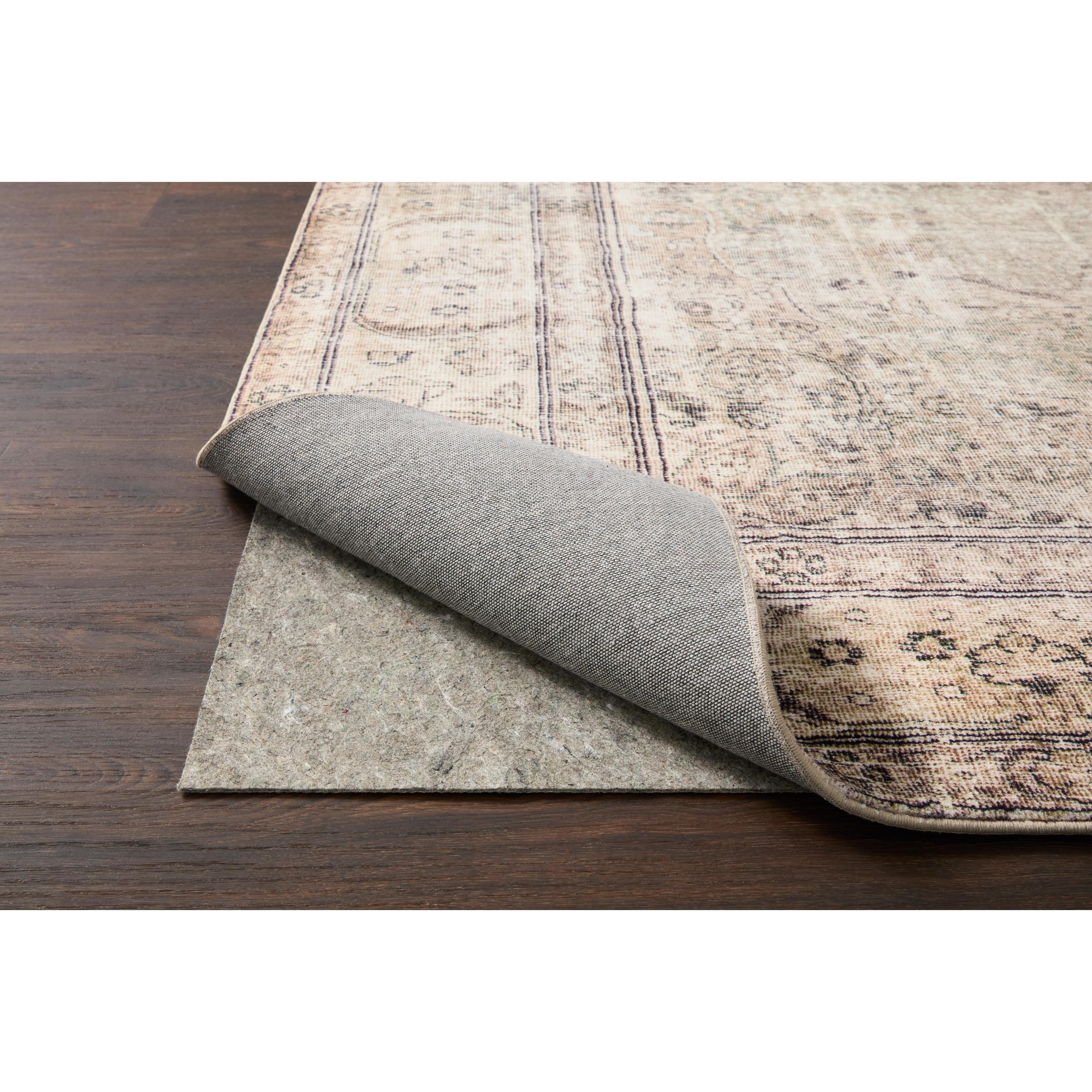
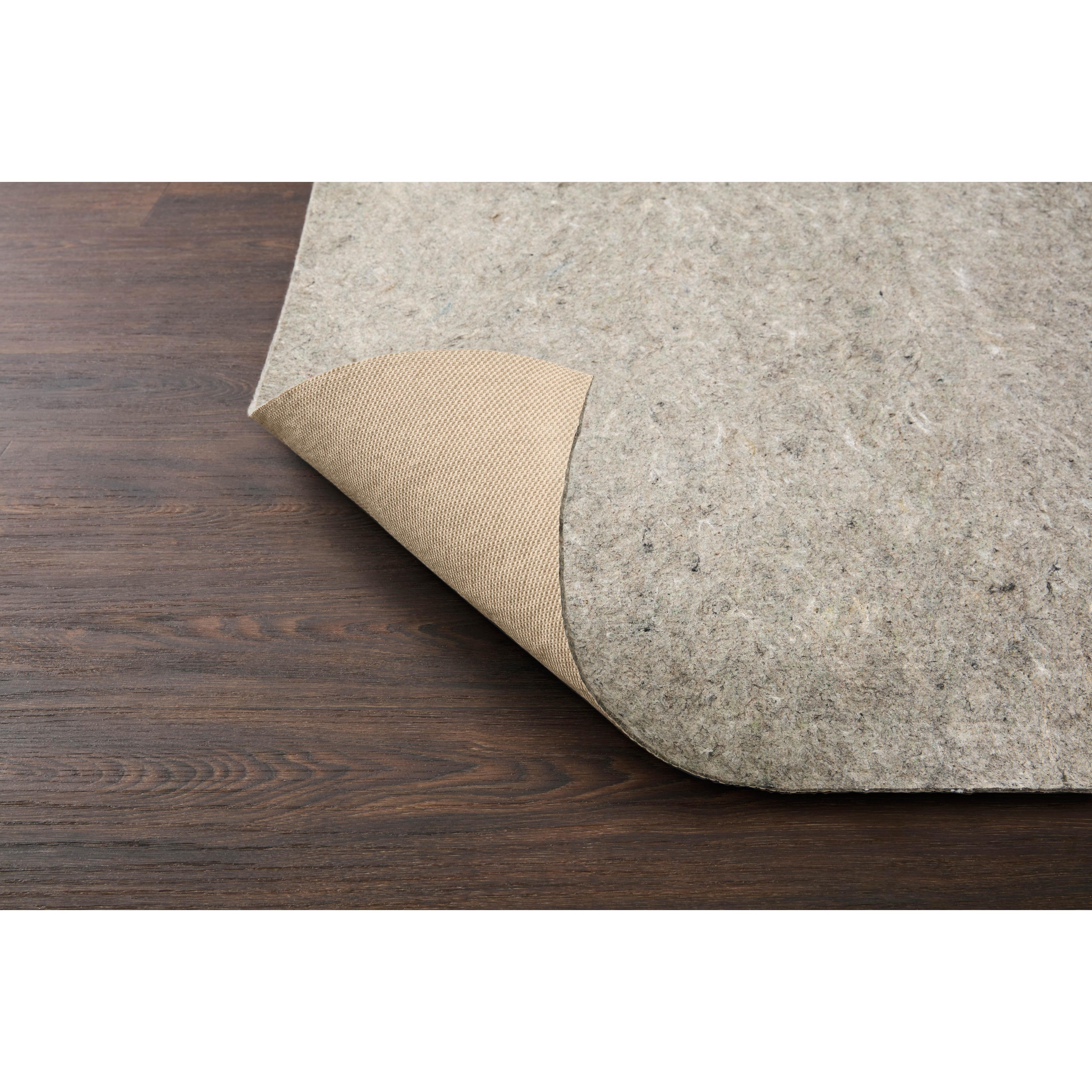
The backing of a rug is one of its most important, yet overlooked, features. It provides stability, prevents slipping, and protects your floors. When it comes to sisal, the backing material is also a key indicator of quality. Many natural fiber rugs use a latex backing to keep the rug in place. It’s a good idea to check if the manufacturer uses a synthetic latex with chemical adhesives or a more natural, eco-friendly alternative. A high-quality backing will not only extend the life of your rug but also contribute to a healthier home environment by minimizing off-gassing.
Consider Your Home's Foot Traffic
One of sisal’s biggest selling points is its incredible strength. The fibers are tough, resilient, and built to withstand heavy use, making sisal rugs an excellent choice for the busiest areas of your home. Think entryways, hallways, living rooms, and home offices—anywhere that sees a lot of daily activity. Its durable weave holds up well against constant foot traffic without showing wear and tear as quickly as softer materials might. This resilience means you can place a sisal rug in a high-traffic zone with confidence, knowing it’s more than capable of handling the demands of a busy household.
Plan Your Budget
Sisal rugs are a worthwhile investment in your home, and it’s helpful to understand where they sit in the market. They typically cost more than jute rugs, and the reason comes down to durability. The process of harvesting and weaving sisal is more intensive, and the resulting product is significantly stronger and longer-lasting. When planning your budget, think of it as paying for longevity. A well-made sisal rug from a trusted brand like Surya will stand the test of time, saving you from having to replace a lower-quality rug in just a few years. By investing a bit more upfront, you get a durable, timeless piece that delivers lasting value.
Related Articles
Frequently Asked Questions
Are sisal rugs a good choice if I have pets or kids? Absolutely, with one small caveat. Sisal's incredible durability makes it a fantastic choice for households with lots of activity from kids and pets—it can handle constant foot traffic like a champ. The tightly woven fibers are also less likely to get snagged by claws. The main thing to consider is spills and accidents. Because sisal is so absorbent and tricky to clean with water, it might not be the best fit for a puppy in training or in a toddler's primary play area where spills are a daily event.
What really happens if my sisal rug gets wet? Can it be saved? When sisal gets wet, the natural fibers swell and can leave a dark, water-stained mark even after they dry. The key is to act immediately. Blot the spot with a dry, absorbent cloth right away to soak up as much liquid as possible, and then use a hairdryer on a low, cool setting to dry it completely. For a minor spill, this can prevent a permanent stain. However, if the rug gets completely soaked, it can warp and mildew. In that case, your best bet is to call a professional cleaner who specializes in natural fibers, but even then, saving it isn't always guaranteed.
I've heard sisal rugs can be rough. Will it get softer over time? It’s true that sisal has a firm, coarse texture—that’s part of what makes it so durable. While it may soften very slightly with time and foot traffic, it will never feel plush like a wool or shag rug. Many people grow to love its rustic, almost massage-like feel underfoot, but it’s definitely not the kind of rug you’d want to curl up on for a nap. Think of its texture as part of its natural, earthy character rather than a flaw.
Do sisal rugs shed a lot? When you first get a new sisal rug, you might notice some fine, dust-like plant fibers underneath, which is completely normal. This initial shedding is just the leftover particles from the manufacturing process and will decrease significantly with regular vacuuming. Unlike some other natural fiber rugs with looser weaves, sisal's tight construction means shedding is minimal and becomes a non-issue after the first few weeks.
Can I layer a sisal rug with another rug? Yes, and it’s one of my favorite ways to use them! Sisal makes an incredible base layer. Its neutral color and rich texture provide the perfect foundation for a smaller, more colorful, or plusher rug on top. Placing a large sisal rug to ground an entire living room and then layering a smaller vintage or faux-hide rug over it is a great way to add depth, define a conversation area, and mix textures for a professionally styled look.