One of the most common questions I hear is, "Will an antique rug work with my modern decor?" The answer is a resounding yes. In fact, the contrast between old and new is what can make a room truly stunning. Antique Persian rugs bring a layer of warmth, character, and soul to any space that you just can’t replicate. The key is knowing how to create balance. This guide will give you practical, easy-to-follow tips for styling these timeless pieces, whether your home is minimalist or eclectic. We’ll cover everything from matching colors to arranging furniture, helping you make your rug the perfect anchor for your room.
Key Takeaways
- Look for the Human Touch: An authentic antique Persian rug is perfectly imperfect. Check the back for slightly uneven hand-tied knots, feel for natural fibers like wool or silk, and confirm the fringe is part of the rug's structure, not sewn on afterward.
- Value is More Than Just Age: While a rug must be over 100 years old to be a true antique, its condition is paramount. A valuable piece combines its age with excellent craftsmanship—like a high knot count and intricate design—and has been well-preserved.
- Style with Confidence and Care for It Gently: Treat your rug as the anchor of your room by pairing it with modern furniture for a beautiful contrast. Preserve its life and color by rotating it yearly, vacuuming without a beater bar, and always hiring a professional for deep cleaning or repairs.
What Makes a Persian Rug "Antique"?
When you hear the term "antique Persian rug," it's easy to imagine a priceless treasure steeped in history. And you wouldn't be wrong! But "antique" is more than just a feeling—it's a specific classification that points to a rug's age, artistry, and the materials used to create it. Understanding these key elements is the first step in appreciating what makes these pieces so special. It’s about recognizing the story woven into every fiber, from the hands that tied the knots to the natural world that provided the colours.
The Age Test: How Old is Old Enough?
First things first, age is a critical factor. For a Persian rug to be considered a true antique, it generally needs to be over 100 years old. This century-mark is what separates it from other categories. You'll also hear terms like "semi-antique," which usually refers to rugs that are between 50 and 100 years old. Then there are "vintage" rugs, which typically date back to the mid-20th century. Each category has its own charm, but the 100-year milestone is what officially grants a rug its antique status, placing it in a class of its own as a genuine piece of history. This antique rugs guide can help you learn more about these distinctions.
The Art of Traditional Craftsmanship
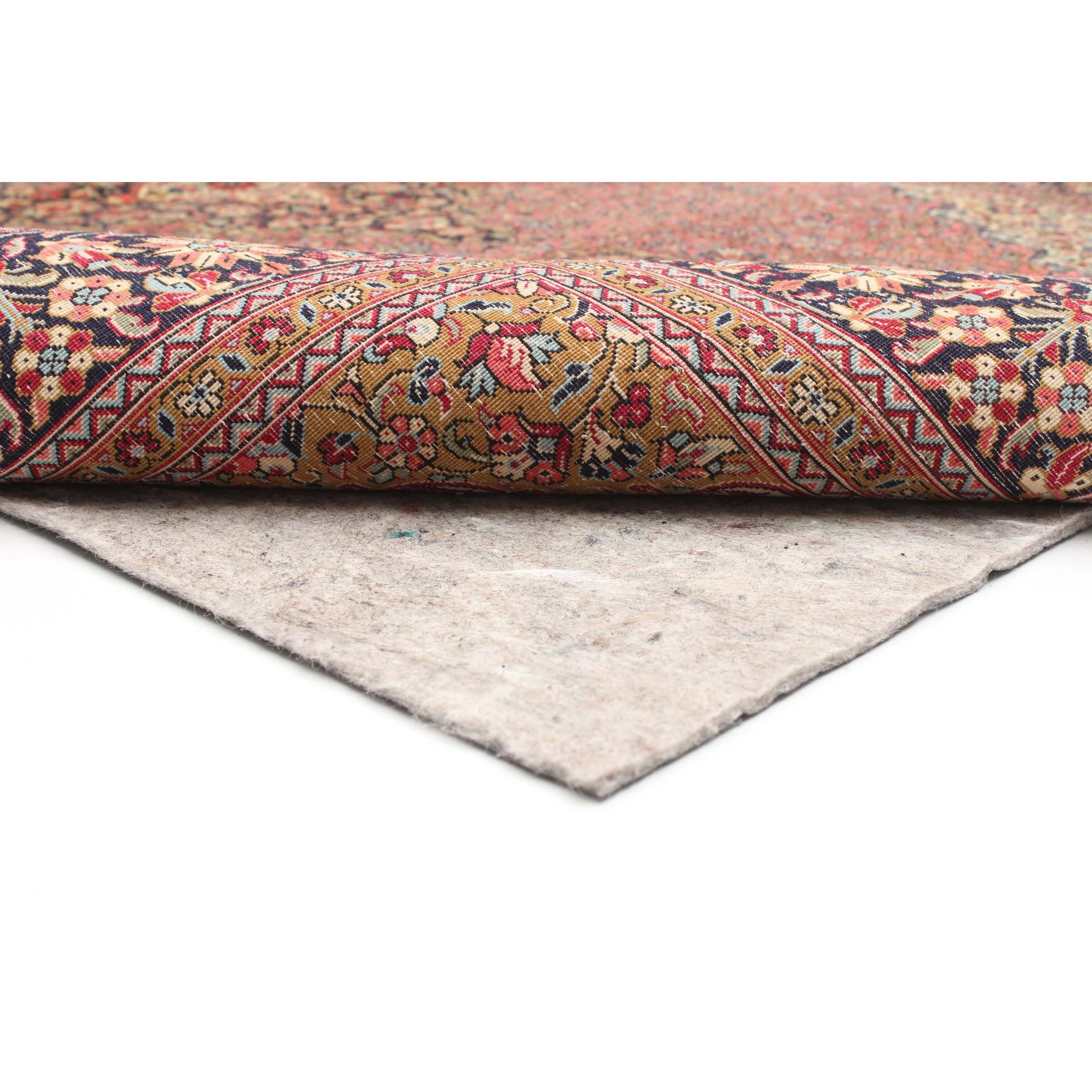
An authentic antique Persian rug is a masterpiece of manual skill. These rugs are made entirely by hand, with weavers meticulously tying every single knot. This is the most telling sign of traditional craftsmanship. If you're ever unsure, just flip the rug over. On the back of a handmade rug, you should be able to see the individual knots and the pattern mirroring the front, though perhaps a bit less clearly. This hand-knotting process is incredibly time-consuming, but it results in a durable, one-of-a-kind piece of art that simply can't be replicated by a machine. It's this human touch that gives so many beautiful area rugs their soul.
A Look at Natural Materials and Dyes
The materials used are just as important as the method. True antique Persian rugs are crafted from natural fibers. The soft pile you feel underfoot is typically made of wool, silk, or a blend of both, woven onto a cotton or wool foundation. These organic materials are not only beautiful but also incredibly resilient, which is why these rugs can survive for generations. The colours also come from nature—dyes derived from plants, insects, and minerals. This results in a rich, nuanced palette with subtle variations that synthetic dyes can't match. These natural elements ensure that each rug ages gracefully, developing a beautiful patina over time.
How to Spot an Authentic Persian Rug
Telling a genuine Persian rug from a machine-made lookalike can feel intimidating, but it’s easier than you think once you know what to look for. An authentic Persian rug is more than just a floor covering; it's a piece of art, handcrafted with techniques passed down through generations. Learning to recognize the signs of true craftsmanship will help you invest in a piece you’ll love for a lifetime. It’s all about paying attention to a few key details—from the knots on the back to the feel of the fibers and the charm of its imperfections.
When you’re shopping, you’ll often see terms like “Persian-style” or “Oriental-design.” While these rugs can be beautiful, they aren’t the same as an authentic Persian rug, which must be hand-knotted in Iran. The difference lies in the artistry, the quality of materials, and the incredible durability that comes from traditional weaving methods. Think of it as getting to know the story woven into the rug itself. By learning to spot these details, you can feel confident in your ability to distinguish a true heirloom from a simple imitation and choose a piece that brings history and character into your home. This guide will walk you through the five key things to check.
Check for Hand-Knotting
The most reliable way to verify a Persian rug’s authenticity is to flip it over and examine the back. On a genuine, hand-knotted rug, the pattern on the back will be a near-perfect mirror of the front. You should be able to see and feel the individual knots, which will have slight irregularities because they were tied by human hands. In contrast, a machine-made rug often has a rigid, unnaturally uniform grid-like pattern on the back. The fringe is also a great clue. On a handmade rug, the fringe is an integral part of the rug’s foundation—the ends of the warp threads. On a machine-made one, it’s typically sewn or glued on as a finishing touch.
Feel the Quality of the Materials
Authentic Persian rugs are made from natural materials that feel incredible to the touch. The pile, which is the soft surface of the rug, is typically woven from wool, silk, or a blend of both. The foundation—the underlying warp and weft threads—is usually made of cotton, wool, or silk. Run your hand over the surface; high-quality wool feels soft yet strong, and it has a slight lanolin-like texture. Silk has a distinct coolness and a beautiful, unmistakable sheen. Synthetic fibers like polyester or nylon, which are common in machine-made rugs, often feel stiff, plasticky, or artificially smooth. These natural materials not only feel better but also age more gracefully, developing a rich patina over time.
Identify Regional Designs
Persian rugs are often named after the city, region, or tribe where they were made, and each area has its own signature style. For example, Heriz rugs are known for their bold, geometric medallions, while Tabriz rugs often feature intricate floral patterns and central medallions. You don't need to be an expert to start recognizing these differences. Familiarizing yourself with a few classic regional designs can give you incredible insight into a rug's origin and history. This knowledge helps you appreciate the artistry and understand the characteristics—like pile height or flexibility—that are unique to different types of area rugs. It’s a fascinating way to connect with the culture behind the craft.
Look for Signs of Authenticity
The most straightforward sign of authenticity is the country of origin. By definition, a true Persian rug must be made in Iran. When you’re shopping, check for a label on the back that explicitly states "Made in Iran." If you're buying online, this information should be clearly listed in the product details. For older, antique rugs that may have lost their labels over the years, you’ll have to rely on the other signs of hand-craftsmanship, like the hand-tied knots and natural materials we’ve discussed. This is why it’s so important to always buy from a reputable seller who is transparent about the rug’s origins and can answer your questions with confidence.
Embrace the Beauty of Imperfections
One of the most charming characteristics of a handmade Persian rug is its perfect imperfection. Because these rugs are woven by artisans, not machines, they will have slight, human-made variations. You might notice that a line isn't perfectly straight, a pattern has a minor asymmetry, or there are subtle shifts in color where the weaver switched to a new batch of dyed wool. These aren't flaws; they are the hallmarks of authenticity and are often referred to as abrash. A rug that is perfectly symmetrical with zero variations is almost certainly machine-made. These little quirks give the rug its unique character and are a beautiful reminder of the human hands that created it.
Discover the Most Valuable Persian Rug Styles
Every Persian rug tells a story, and its design often reveals where its journey began. Different cities and regions in Iran are famous for their unique weaving traditions, resulting in distinct styles that are highly sought after by collectors and designers. Getting to know these regional differences is one of the most exciting parts of finding the perfect antique piece. Whether you're drawn to bold geometrics or delicate florals, understanding the most valuable styles will help you appreciate the artistry behind these incredible area rugs and identify a true treasure when you see one.
Tabriz & Isfahan
When you think of classic Persian elegance, Tabriz and Isfahan rugs should come to mind. Tabriz rugs are celebrated for their incredible range of intricate designs, often featuring stunning floral patterns, central medallions, and rich, deep colors that command attention. They are known for their high-quality craftsmanship and durability. Isfahan rugs are in a class of their own, considered by many to be the pinnacle of Persian weaving. They are famous for their exceptionally fine knotting and sophisticated motifs, often woven with silk highlights on a cotton or silk foundation. An Isfahan rug is a true work of art, bringing a sense of luxury and history to any space.
Heriz & Kerman
If you're looking for a rug that combines bold character with lasting durability, a Heriz is an excellent choice. These rugs are easily recognized by their strong, geometric patterns and vibrant, warm colors. The weavers in the Heriz region use a durable type of wool and a sturdy weave, making these rugs perfect for high-traffic areas like living rooms and entryways. On the other end of the spectrum, Kerman rugs are known for their graceful, intricate floral designs and softer color palettes. Often featuring a prominent central medallion, these rugs have a more delicate and romantic feel, making them a beautiful focal point in a bedroom or formal dining room.
Nain & Kashan
Nain and Kashan are two other legendary weaving centers that produce some of the most beloved Persian rug styles. Nain rugs are distinguished by their fine wool and silk blends, which give them a beautiful sheen and a soft touch. They typically showcase highly detailed designs with a light, airy color palette of ivory, beige, and blue. Kashan rugs, on the other hand, are famous for their rich colors like deep reds and blues, and their detailed patterns often feature a classic central medallion surrounded by elaborate floral motifs. Both styles represent a timeless aesthetic that has been cherished for centuries, embodying the classic beauty of Persian design.
Qom & Mashad
For a touch of pure luxury, look no further than Qom rugs. Often woven entirely from silk, these rugs are renowned for their vibrant, jewel-toned colors and incredibly intricate designs. A Qom rug is a statement piece, prized for its shimmering texture and exceptional artistry, making it a highly valuable collector's item. Mashad rugs are known for their grand scale and rich, often darker, color palettes. These large rugs typically feature elaborate floral patterns and medallions, making them ideal for spacious rooms where they can serve as a dramatic and grounding foundation. The wool used in Mashad rugs is known for being particularly soft, adding to their luxurious feel.
What Determines a Rug's Value?
Figuring out the value of an antique Persian rug is a bit like solving a puzzle. It’s not just about one single factor, but how several key pieces fit together. A rug’s story, its physical state, and its artistic merit all play a role in its final worth. While you might find a beautiful piece that speaks to you personally, its market value depends on a more objective set of criteria that experts use to assess its quality and rarity.
Understanding these factors will help you appreciate the artistry behind each piece and make a more informed decision when you’re ready to buy. Think of it as learning the language of the rug. From its age and condition to the intricacy of its design, each element tells you something about its journey and its place in the world of fine textiles. We’ll walk through the five main components that determine what makes one antique rug a decorative piece and another a prized collector's item. This knowledge will give you the confidence to choose a rug that you’ll not only love but also value for years to come.
Age and Rarity
When it comes to rugs, "old" has a few different meanings. Generally, a true antique rug is over 100 years old, while a semi-antique is between 50 and 100. Anything from the mid-20th century is typically considered vintage. As you can imagine, the older a rug is, the rarer it tends to be. Many rugs from a century ago simply haven't survived, and this scarcity is a major driver of value. An authentic 19th-century Heriz in great shape is much harder to find than one from the 1950s, making it more desirable to collectors. You can learn more about these distinctions in this helpful antique rugs guide.
Condition and Wear
Age alone doesn’t guarantee value. As one expert puts it, "An old rug in poor condition is just an old rug." For an antique to be valuable, it needs to be in good condition for its age. Look for a relatively even pile, intact edges (selvages), and a strong foundation without major holes, tears, or stains. Some gentle, even wear can actually be a good sign—it shows the rug has been lived with and loved, adding to its character. However, significant damage like dry rot or deep, set-in stains can dramatically decrease its worth. It's helpful to separate fact from fiction when it comes to common area rug myths.
Design, Detail, and Complexity
The artistry of a rug is a huge part of its value. A piece with a detailed, balanced design and a high knot count reveals the work of a highly skilled weaver. The complexity of the pattern, the clarity of the motifs, and the harmony of the colors all point to superior craftsmanship. A rug with a simple, repetitive geometric pattern will generally be less valuable than one with an intricate, one-of-a-kind floral medallion. The time and talent required to create these complex designs are what collectors and designers pay for. The craftsmanship of the rug truly comes into play when deciding the price.
Historical Importance
Some rugs are valuable not just for their beauty, but for their story. A rug’s provenance—its history of ownership and origin—can add significantly to its worth. Was it woven by a famous master weaver or a renowned workshop? Does it represent a specific, important period in a region’s history? For centuries, fine rugs were symbols of status and culture, often commissioned by wealthy patrons or royalty. A rug with a documented history connecting it to a significant person, place, or event carries a unique cultural weight that makes it more than just a floor covering; it becomes a historical artifact.
Current Market Demand
Finally, a rug is ultimately worth what someone is willing to pay for it today. Market trends play a big role in determining value. Certain colors, patterns, and sizes might be more popular with interior designers at any given time, which can drive prices up. It’s important to remember that, despite what some say, Persian rugs don't always appreciate in value. It's best to avoid common misconceptions about Persian rugs and buy a piece because you love it, not as a guaranteed financial investment. The market fluctuates, so the most important thing is to choose a rug that brings you joy.
A Closer Look at Materials and Design
Every antique Persian rug tells a story, and the best way to understand it is by looking closely at its core components. The materials, dyes, and patterns are like the words and grammar of a unique language, woven together by a skilled artisan. When you learn to recognize the nuances of the wool, the subtle variations in color, and the meaning behind the symbols, you’re not just looking at a floor covering—you’re appreciating a piece of history. Understanding these elements is the key to distinguishing a truly special rug from the rest. It helps you see the incredible craftsmanship that went into its creation and gives you a solid foundation for determining its authenticity and value. Whether you're just starting your collection or looking for the perfect centerpiece, paying attention to these details will transform how you see area rugs and empower you to choose a piece you'll love for a lifetime.
The Feel of Wool, Cotton, and Silk
Run your hand over the surface of an authentic antique rug, and you can feel the quality. These pieces are almost always made from natural fibers, each chosen for a specific purpose. Wool is the most common material for the pile—the part you walk on—because it’s durable, soft, and naturally stain-resistant. The foundation of the rug, its hidden skeleton, is typically woven from cotton because it’s strong and holds its shape. In finer rugs, you’ll often find silk used for intricate details. Silk threads catch the light beautifully, adding a luxurious shimmer that makes certain parts of the design pop. These natural materials are a hallmark of traditional craftsmanship and a pleasure to touch.
The Look of Natural Dyes
Before synthetic dyes were common, weavers created a stunning palette of colors using materials from the world around them—plants, roots, and even insects. These natural dyes give antique Persian rugs their rich, complex colors. Unlike harsh modern dyes, natural colors age gracefully, mellowing over time to develop a beautiful patina. One way to spot them is to look for subtle variations in color, known as abrash, which happen when a weaver uses a new batch of dyed yarn. These organic shifts in tone are considered a desirable feature, not a flaw. Authentic rugs colored with natural dyes also tend to hold their color well and are less likely to bleed if they get wet.
Decoding Motifs and Symbols
The patterns in a Persian rug are more than just pretty designs; they’re a visual language filled with meaning. Weavers used a rich vocabulary of motifs and symbols to express ideas, tell stories, and share cultural beliefs. You’ll often find detailed floral and geometric patterns, each with its own significance. For example, the boteh (a shape similar to a paisley) can symbolize fertility and life, while a central medallion might represent the divine or a lotus flower. Peacocks can symbolize immortality, and cypress trees can represent eternal life. Learning to recognize these symbols adds a fascinating layer of depth to any rug, giving you a glimpse into the weaver’s world.
Exploring Regional Patterns
Just as accents and dialects vary from place to place, so do rug designs. Persian rugs often get their names from the city, region, or tribe where they were woven, and each area is known for a distinct style. For instance, rugs from Tabriz are often recognized by their intricate patterns and central medallions, while Heriz rugs are famous for their bold, geometric designs and rich, warm colors. A Kashan rug might feature elegant floral motifs, and a Qom rug is often made of pure silk. Recognizing these regional characteristics is one of the most effective ways to identify a rug’s origin and understand its place in the long history of Persian weaving.
Why Knot Count Matters
If you flip a Persian rug over, you’ll see thousands of tiny knots that form the design. The density of these knots, measured in knots per square inch (KPSI), is a key indicator of a rug’s quality and the skill of its maker. Think of it like the resolution of a photograph—a higher knot count allows for a sharper, more detailed, and more intricate design. A weaver needs immense patience and precision to create a high-KPSI rug, so a dense weave often points to a more valuable piece. While it’s not the only factor that determines value, the knot count is a clear sign of the time and expertise invested in the rug’s creation.
How to Style Your Antique Persian Rug
Bringing an antique Persian rug into your home is like adding a piece of history, but it doesn't have to feel like you're living in a museum. These rugs are incredibly versatile and can work with almost any design style, from minimalist to maximalist. The key is to create a sense of balance, allowing the rug’s intricate beauty to shine without overwhelming the space. Think of your rug as the anchor piece that ties everything together. It can set the tone, define a zone, and add a layer of warmth and sophistication that’s hard to replicate. Whether you’re starting a room from scratch or adding a rug to an existing setup, these simple strategies will help you style it like a pro and create a space that feels both timeless and uniquely you.
Mix Modern and Traditional Decor
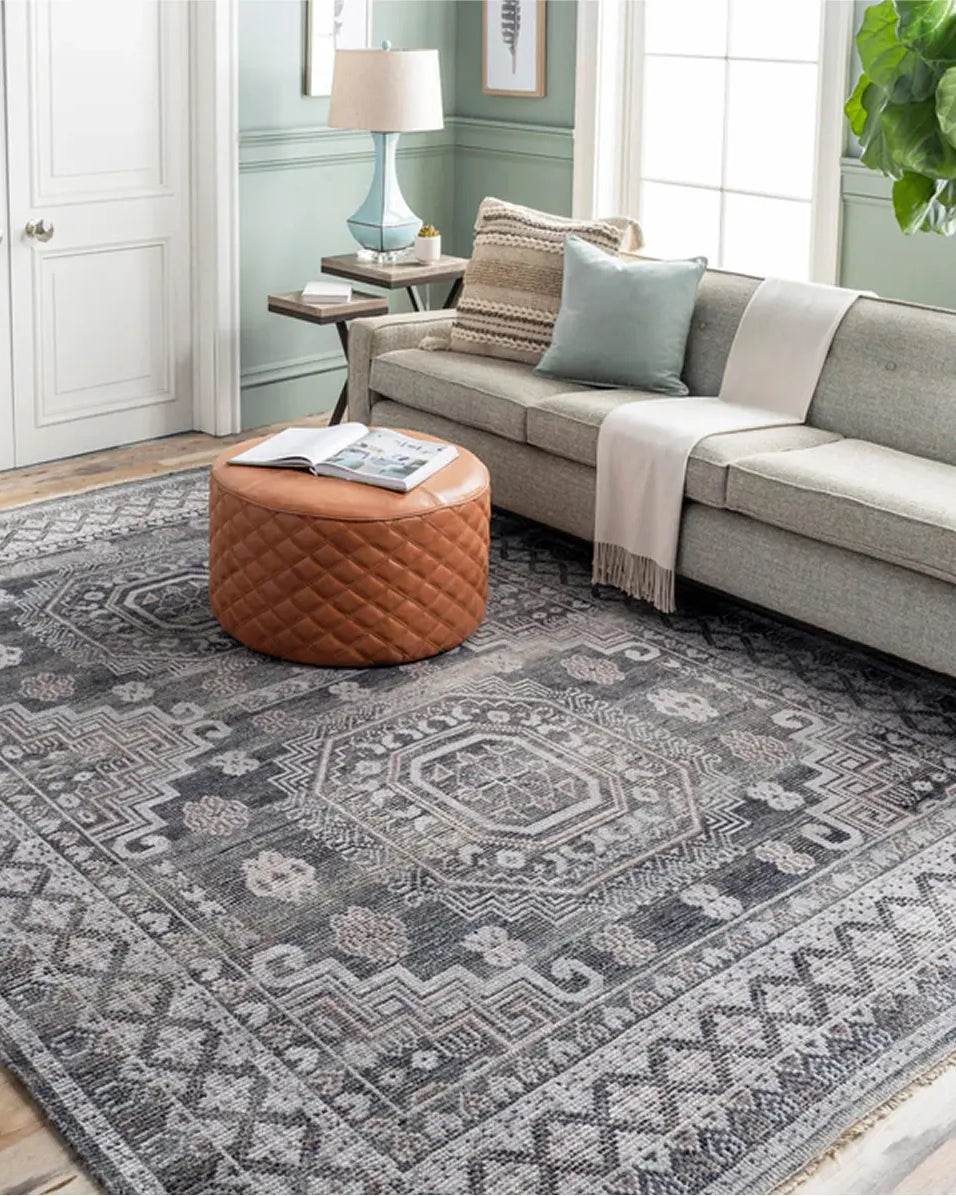
One of the most stunning ways to style an antique rug is by placing it in a modern setting. The contrast between old and new creates a dynamic, layered look that feels curated and personal. To make this work, let the rug be the standout traditional piece. Pair it with clean-lined furniture, simple decor, and a neutral color palette. If your rug has soft, muted tones and a subtle pattern, it will beautifully complement contemporary furniture while showcasing its historic craftsmanship. This approach allows the rug to add warmth and character to a modern space without clashing with it. It’s all about creating a conversation between different eras.
Match Colors and Patterns Like a Pro
An antique Persian rug is a work of art, and you can use its colors to inspire the entire room. Start by identifying one or two accent colors from the rug’s design and sprinkle them throughout the space with throw pillows, curtains, or artwork. This simple trick makes the design feel intentional and cohesive. If your rug is bold and busy, keep your other patterns to a minimum. For example, pair a vibrant, intricate rug with solid-colored furniture. Conversely, if you have patterned wallpaper or upholstery, choose a rug with a more subdued design to avoid a visual clash. The goal is to create harmony, not competition.
Arrange Your Furniture
Your rug can define the layout of a room. Use it to anchor your main seating area in the living room by placing the front legs of your sofa and chairs on it. This creates a cozy, connected conversation zone. To complement the intricate designs of your rug, consider furniture made from mixed materials like wood, metal, or leather. These textures add another layer of interest and enhance the overall aesthetic without competing with the rug’s pattern. You can also add complementary decor, like elegant mirrors or modern lighting, to complete the look and reflect light around the room, making the rug’s colors pop.
Try Layering Rugs
Layering rugs is a fantastic way to add depth, texture, and personality to your space. This technique works especially well if you have an antique rug that’s a bit too small for your room. Place a larger, neutral rug—like a simple jute or a low-pile wool carpet—down first to define the area. Then, place your smaller Persian rug on top. This not only frames your beautiful antique piece but also adds an extra layer of comfort underfoot. Don’t be afraid to mix textures and patterns, as long as the color palettes are complementary. Layering is a creative solution that makes any room feel more inviting and thoughtfully designed.
Find the Perfect Rug for Any Room
Antique Persian area rugs aren’t just for living rooms. Their durability and beauty make them a perfect fit for almost any space in your home. In a dining room, a Persian rug can define the eating area and add a touch of formal elegance. In a bedroom, it can provide a soft, luxurious landing for your feet in the morning. You can even use a smaller rug or a runner to bring color and history to a hallway or entryway. No matter where you place it, an antique rug can serve as the focal point that sets the tone for the entire room. Its rich colors and detailed patterns provide a perfect foundation to build your decor around.
Your Smart Buyer's Checklist
Shopping for an antique Persian rug is an exciting process, but it helps to go in with a plan. Think of this as your personal guide to making a smart, confident purchase. By knowing what to look for and what to ask, you can find a piece you’ll love for years to come.
What to Expect for Pricing
The price tag on a Persian rug isn’t just a random number; it’s a reflection of its history and artistry. Several factors determine a rug's value, including the quality of the materials, the intricacy of the design, its age, knot density, and overall condition. Antique area rugs, in particular, often have a higher price because of their unique history and masterful craftsmanship. A detailed Persian rugs price guide can offer more insight into what to expect.
Questions to Ask the Seller
Don’t be shy about asking questions before you commit. A reputable seller will be happy to share what they know about the rug’s story. Start with the basics: Where did it come from? How old is it? Has it ever been professionally appraised? This information helps you understand exactly what you’re buying. It's best to avoid buying a rug with the sole expectation of future profit and instead choose one that you truly love for its beauty and craftsmanship.
Why Documentation is Key
Think of documentation as the rug’s passport. It provides official proof of its history, which is crucial for establishing its value, especially if a rug is classified as an antique. Proper documentation helps verify a rug's authenticity and origin, giving you confidence in your purchase. While not every rug will come with a detailed history, any paperwork, receipts, or appraisals are valuable assets that add to its story and legitimacy. It’s the difference between hearing a good story and reading a verified historical account.
Where to Find Your Perfect Rug
Your search for the perfect antique rug can start right from your couch. Reputable online collections offer a fantastic way to explore a wide variety of styles without leaving home. The best part is that you can easily filter your search to match exactly what you need. Whether you’re looking for a specific color palette to complement your decor, a certain size for your living room, or a design from a particular region, browsing online makes it simple to discover the perfect piece for your space.
How to Get Your Rug Authenticated
So, how do you know if you’ve found the real deal? The number one rule for authenticity is checking the rug’s origin. A genuine Persian rug must come from Iran. Many other countries, like Pakistan, India, and China, produce beautiful hand-knotted rugs inspired by Persian designs, but they aren't true Persian rugs. To ensure you are purchasing an authentic piece, always verify where it was made. Check for a label on the back or ask the seller for information on its provenance. This single detail is key to confirming you’re investing in an authentic work of art.
Keep Your Antique Rug Beautiful for a Lifetime
An antique Persian rug is more than just a floor covering; it's a piece of history and a work of art that brings timeless character to your home. Once you've found the perfect one, you'll want to make sure it stays beautiful for generations to come. Caring for an antique is a bit different from maintaining modern area rugs, but it’s not as intimidating as it might seem. With a few simple habits and the right professional help, you can easily preserve its intricate beauty and value.
Think of it as stewardship. You’re not just cleaning a rug; you’re caring for a story woven in wool and silk. The key is a gentle, consistent approach. Regular maintenance will prevent the buildup of dust and dirt that can damage delicate fibers over time, while knowing when to step back and call an expert will save you from costly mistakes. Following these guidelines will ensure your treasured rug remains a stunning centerpiece in your home for a lifetime.
Know When to Call a Professional Cleaner
While you can handle light, routine cleaning at home, deep cleaning is a task best left to the pros. Antique rugs are made with natural dyes and delicate fibers that can be easily damaged by harsh chemicals or improper cleaning techniques. A professional cleaner who specializes in antique textiles will understand the unique needs of your rug. They have the right tools and expertise to gently remove deep-seated dirt and grime without causing the vibrant colors to bleed or the fibers to weaken, keeping your investment safe and sound.
Store Your Rug Safely
If you need to store your rug for any reason, doing it correctly is crucial to prevent permanent damage. Always roll your rug instead of folding it. Folding creates sharp creases that can weaken the foundation and break the fibers over time. Roll it tightly with the pile facing inward, and then wrap it in a breathable cloth like cotton or muslin to protect it from dust while allowing air to circulate. Store the rolled rug in a cool, dry place away from direct sunlight and any potential moisture to maintain its integrity.
Simple Daily and Weekly Maintenance
Consistent, gentle care is the secret to keeping your antique rug looking its best. Once a week, take it outside and give it a gentle shake to dislodge any loose dust and debris. For vacuuming, use a suction-only attachment and avoid the beater bar or spinning brush, as these can pull at the delicate knots and cause fraying. This simple routine not only keeps your rug clean but also helps prevent moths from settling in, ensuring the fibers stay intact and beautiful.
Handle Repairs with Care
Over the years, your rug might show signs of wear, like a frayed edge or a small hole. When this happens, resist the temptation of a quick DIY fix. Repairing an antique rug is a specialized skill that requires a deep understanding of traditional weaving techniques. Always seek out a skilled professional to handle any restoration work. An expert will be able to make nearly invisible repairs that blend seamlessly with the original design, which is essential for preserving the rug's historical character and financial value.
Protect it From the Elements
One of the biggest threats to an antique rug’s vibrant color is direct sunlight. The UV rays can cause the natural dyes to fade significantly over time, dulling the rich, beautiful hues. To protect your rug, place it in a room with controlled lighting or use sheer curtains to diffuse harsh sunlight. It’s also a good idea to rotate your rug 180 degrees every six months to a year. This ensures that any light exposure and foot traffic are distributed evenly, preventing one area from fading or wearing out faster than another.
Frequently Asked Questions
Is an antique rug a good choice for a home with kids and pets? Absolutely. It might seem counterintuitive, but a high-quality, hand-knotted wool rug is surprisingly durable. These pieces were made to be walked on and have already withstood a century of life. The natural lanolin in wool makes it resistant to stains and dirt, and the dense weave can handle plenty of foot traffic. Just be sure to address any spills quickly and maintain a regular, gentle cleaning routine.
What’s the difference between a Persian rug and an Oriental rug? This is a great question that causes a lot of confusion. Think of "Oriental rug" as the broad category for any hand-knotted rug made in Asia, which includes countries like China, India, and Turkey. A "Persian rug" is a specific type of Oriental rug that is made exclusively in Iran (formerly Persia). So, while every Persian rug is an Oriental rug, not every Oriental rug is Persian.
Is it okay to buy an antique rug that has some visible wear? Yes, and in many cases, a little wear is a good thing. An even, low pile shows that the rug has been loved and lived with, which adds to its unique story and character. These signs of age are part of its charm. You should, however, be cautious of significant damage like large holes, tears, dry rot, or major stains, as these can compromise the rug's structure and are expensive to repair.
How can I tell if the colors in a rug are from natural dyes? One of the best clues is to look for subtle, gradual variations in a single color, which is known as abrash. This happens when a weaver starts a new batch of hand-dyed yarn. You can also gently separate the rug’s fibers and look deep into the pile. Natural dyes tend to saturate the wool evenly all the way to the base, while synthetic dyes sometimes fade at the tips, leaving the color at the bottom more vibrant.
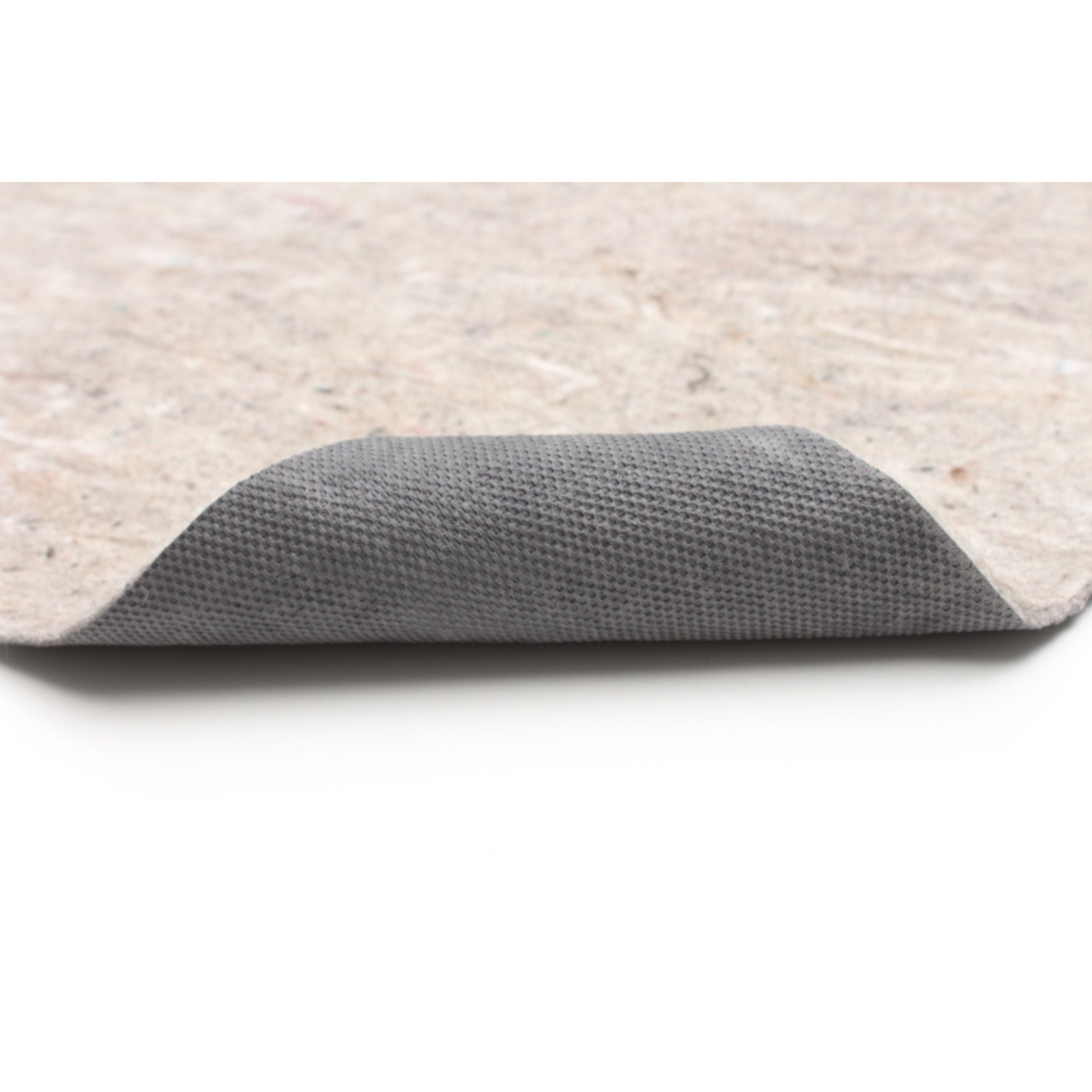
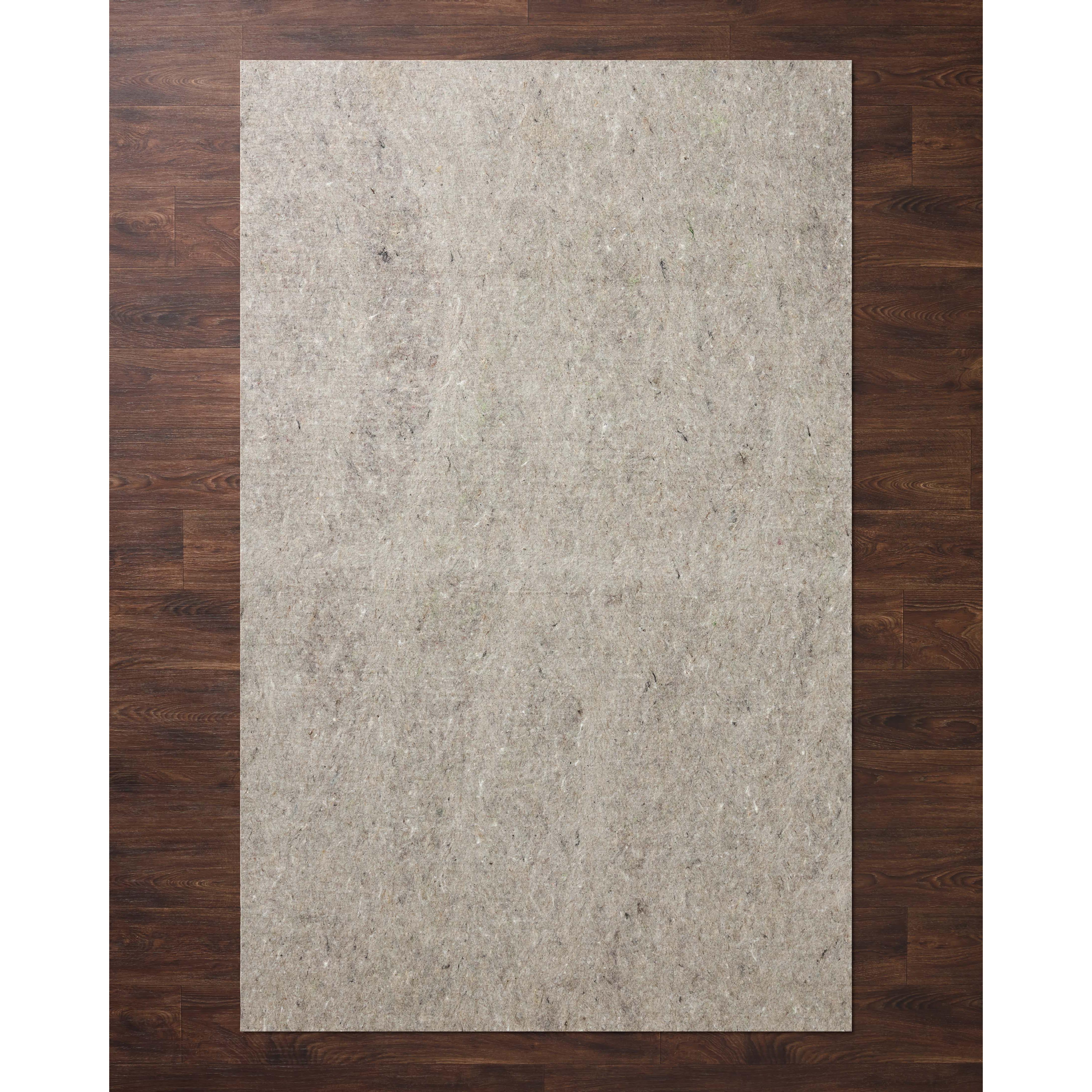
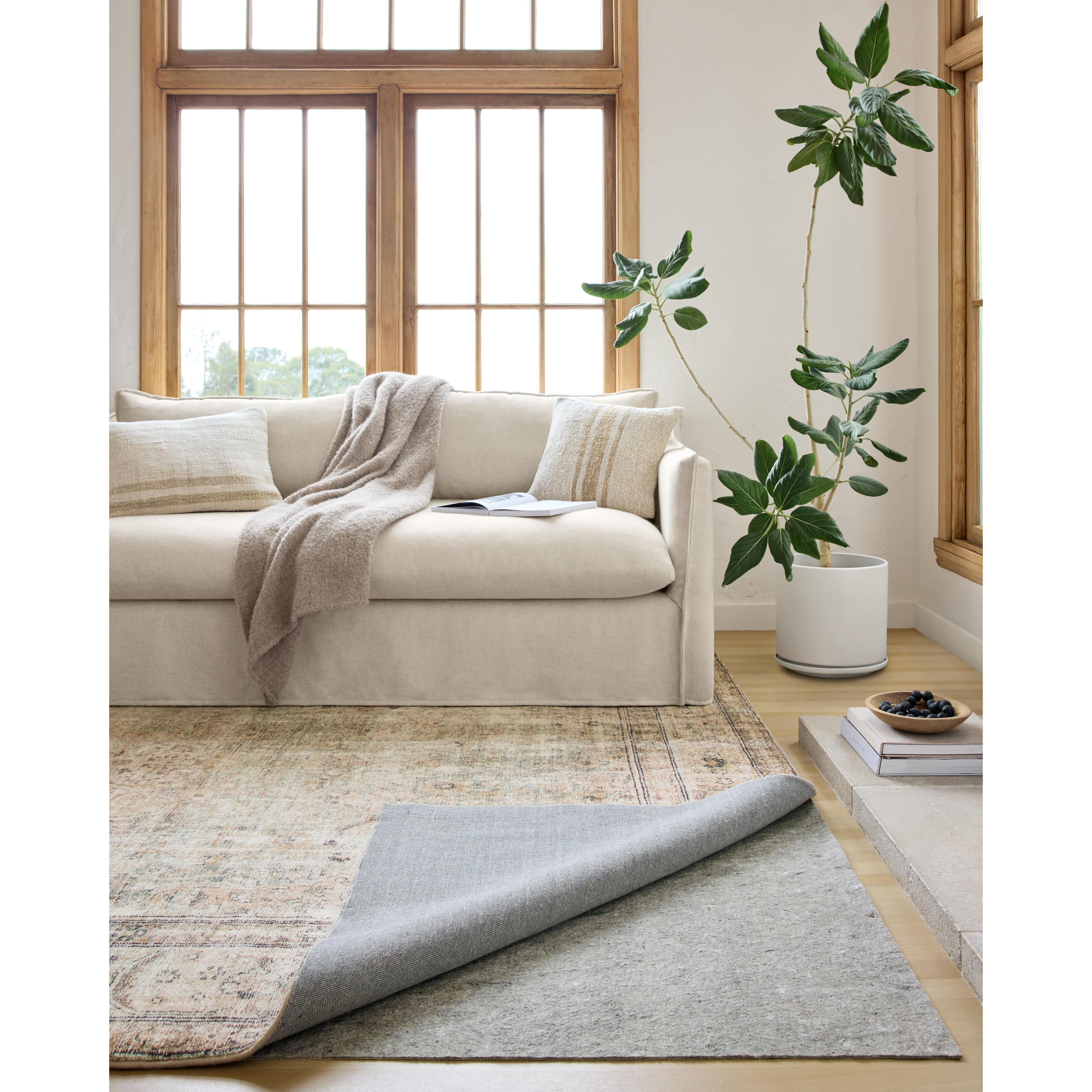
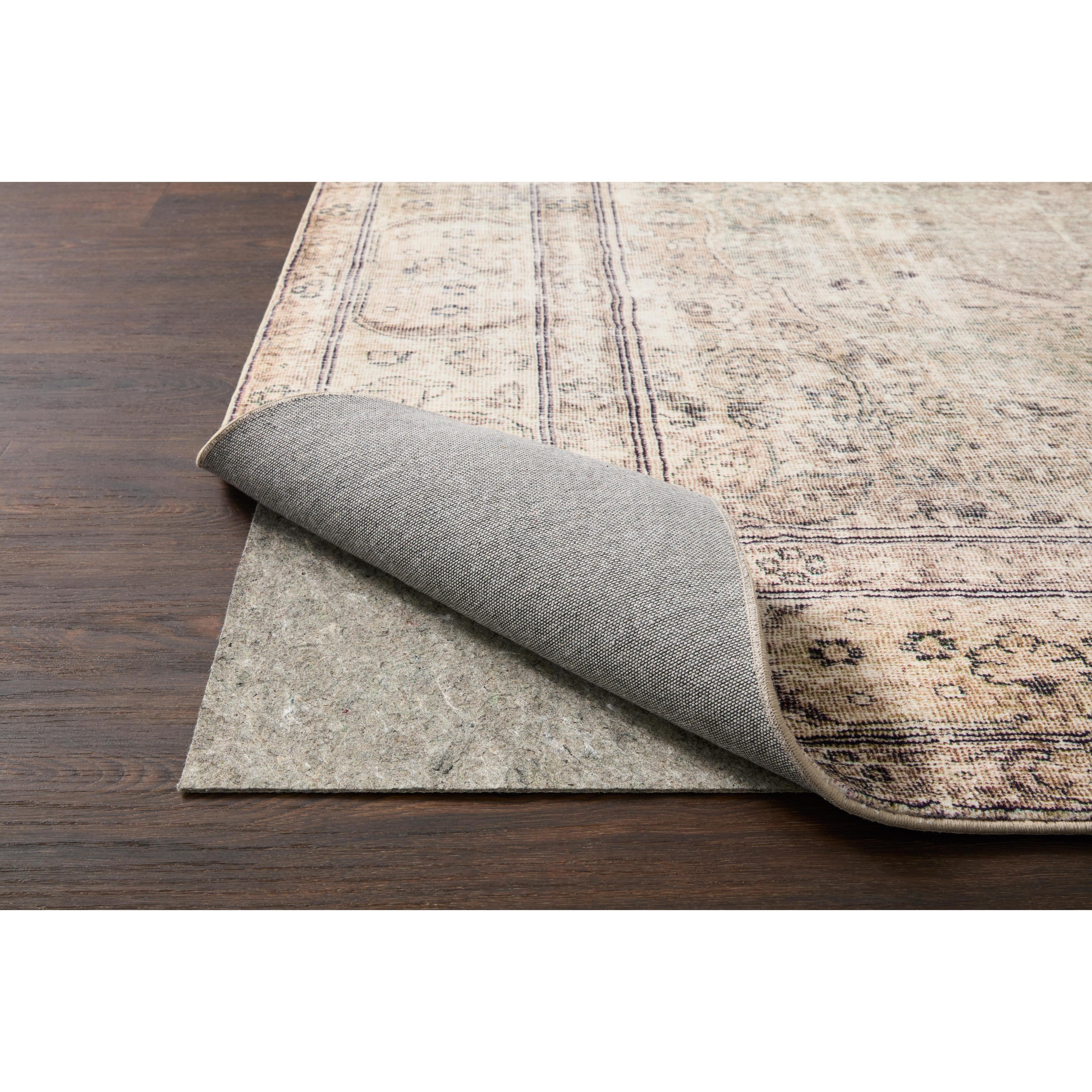
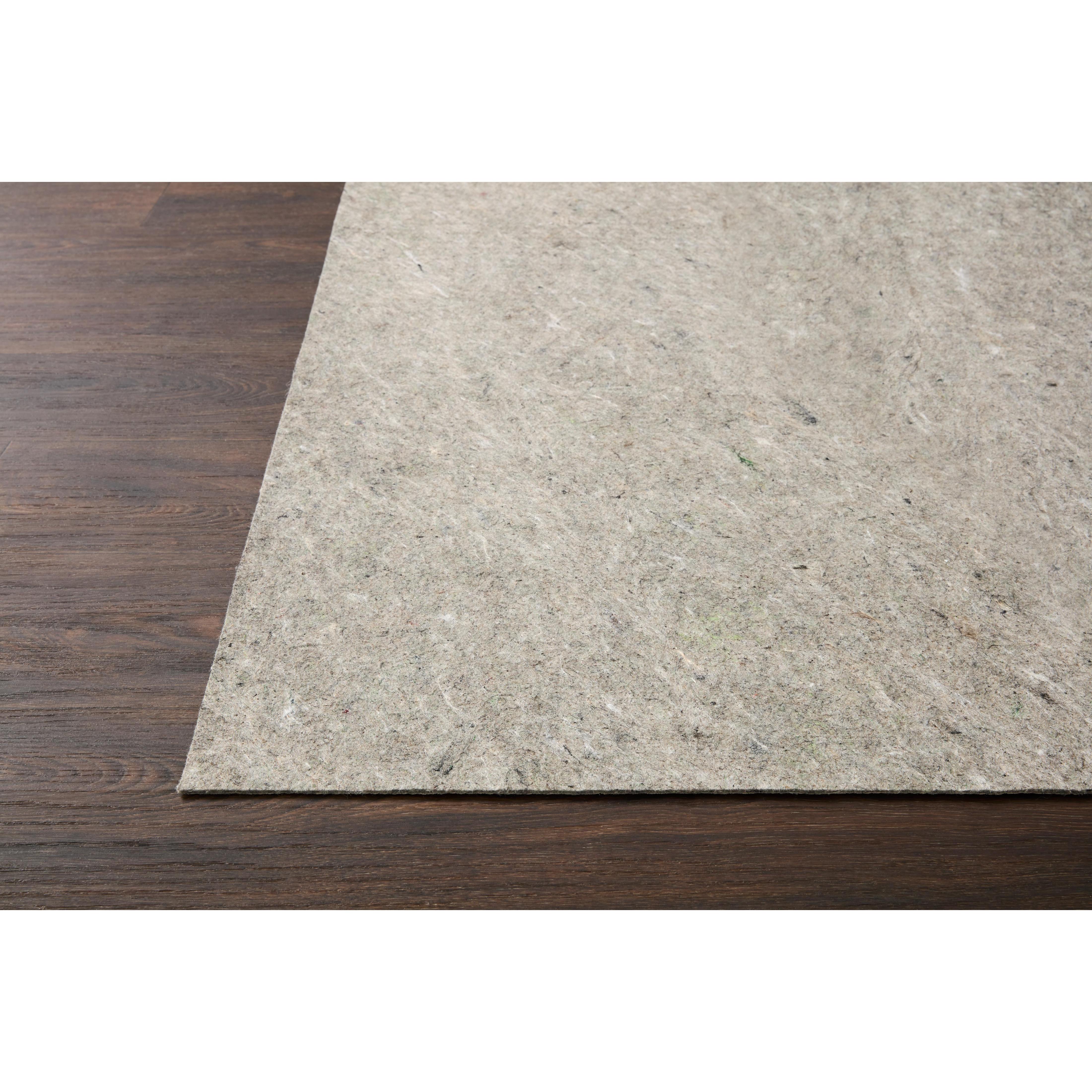
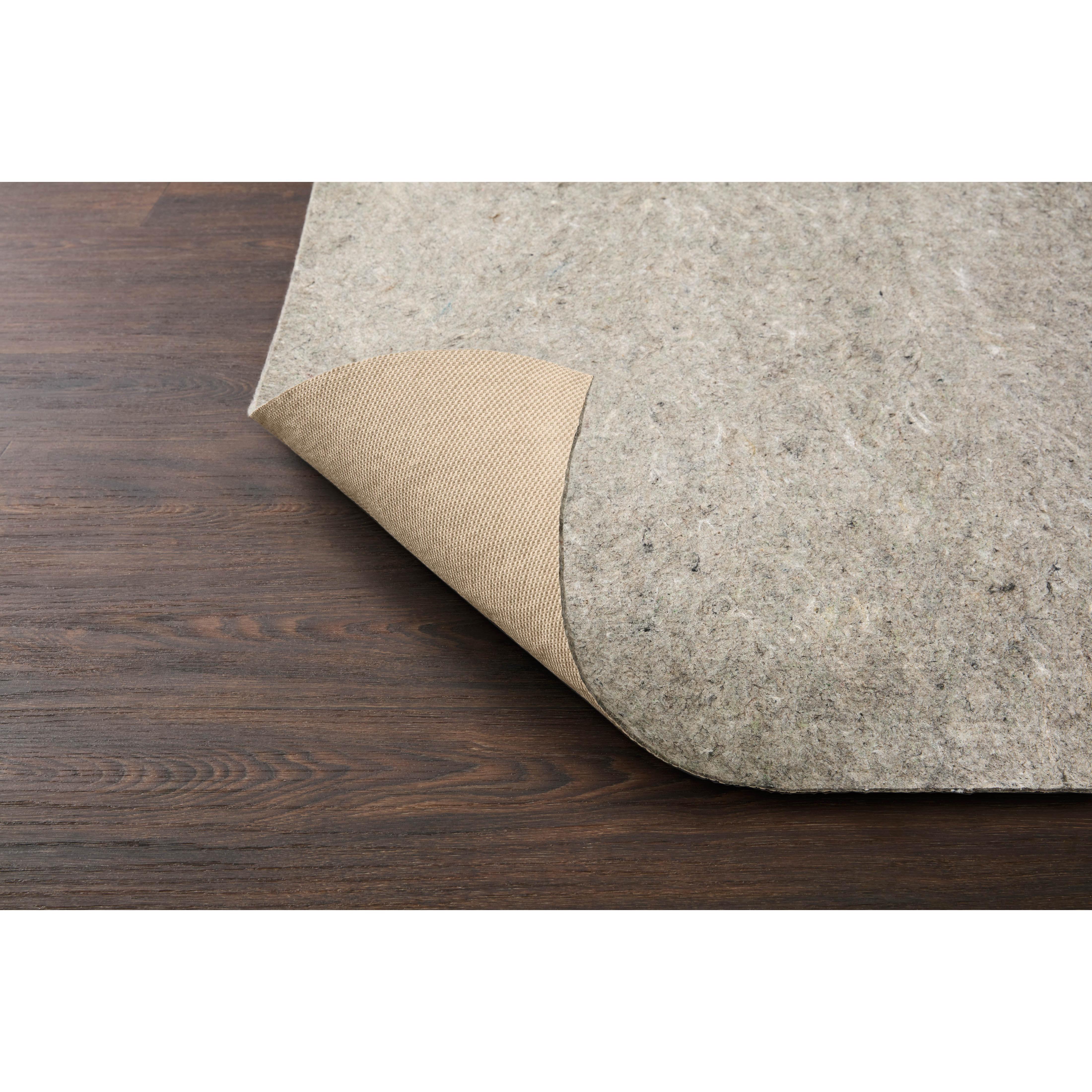
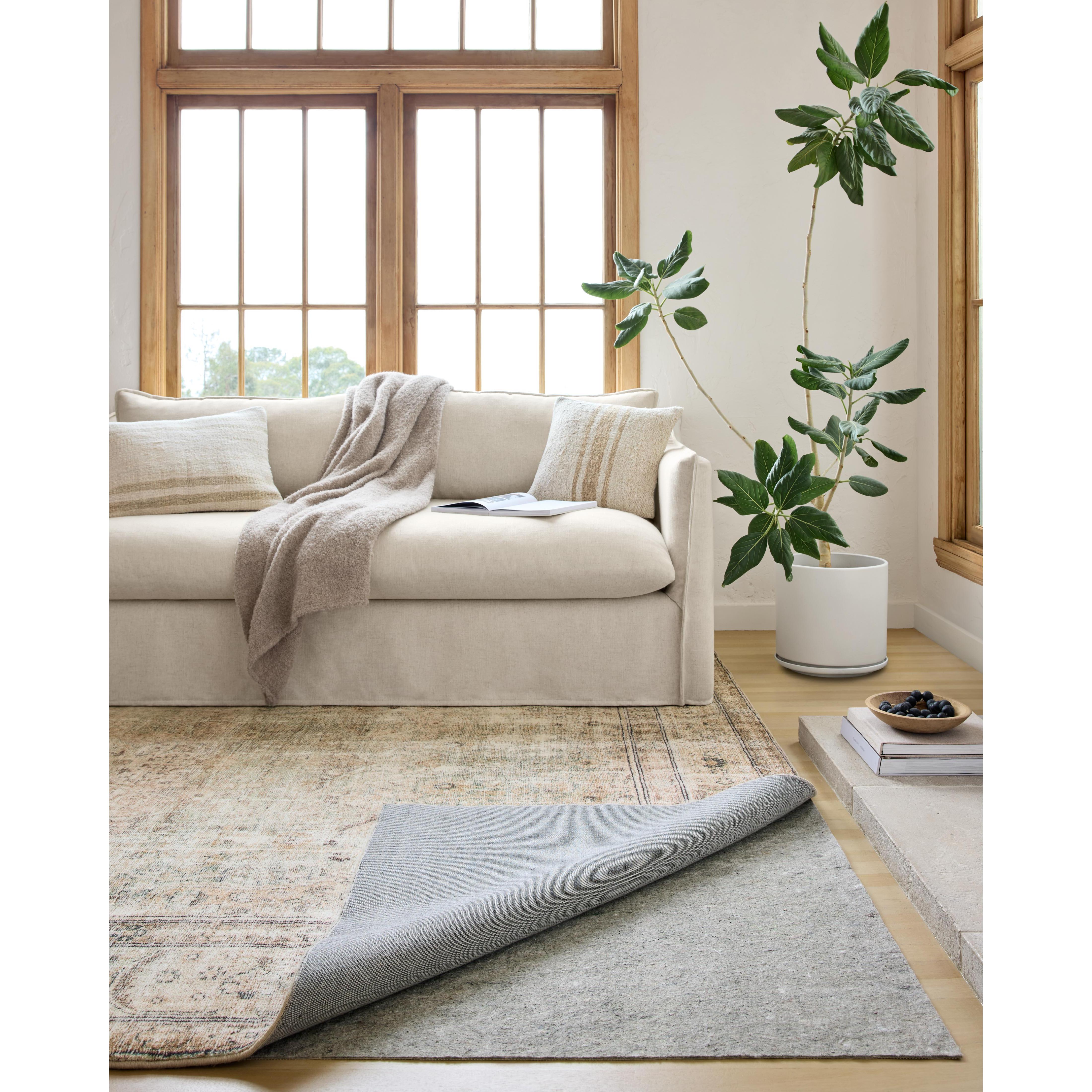
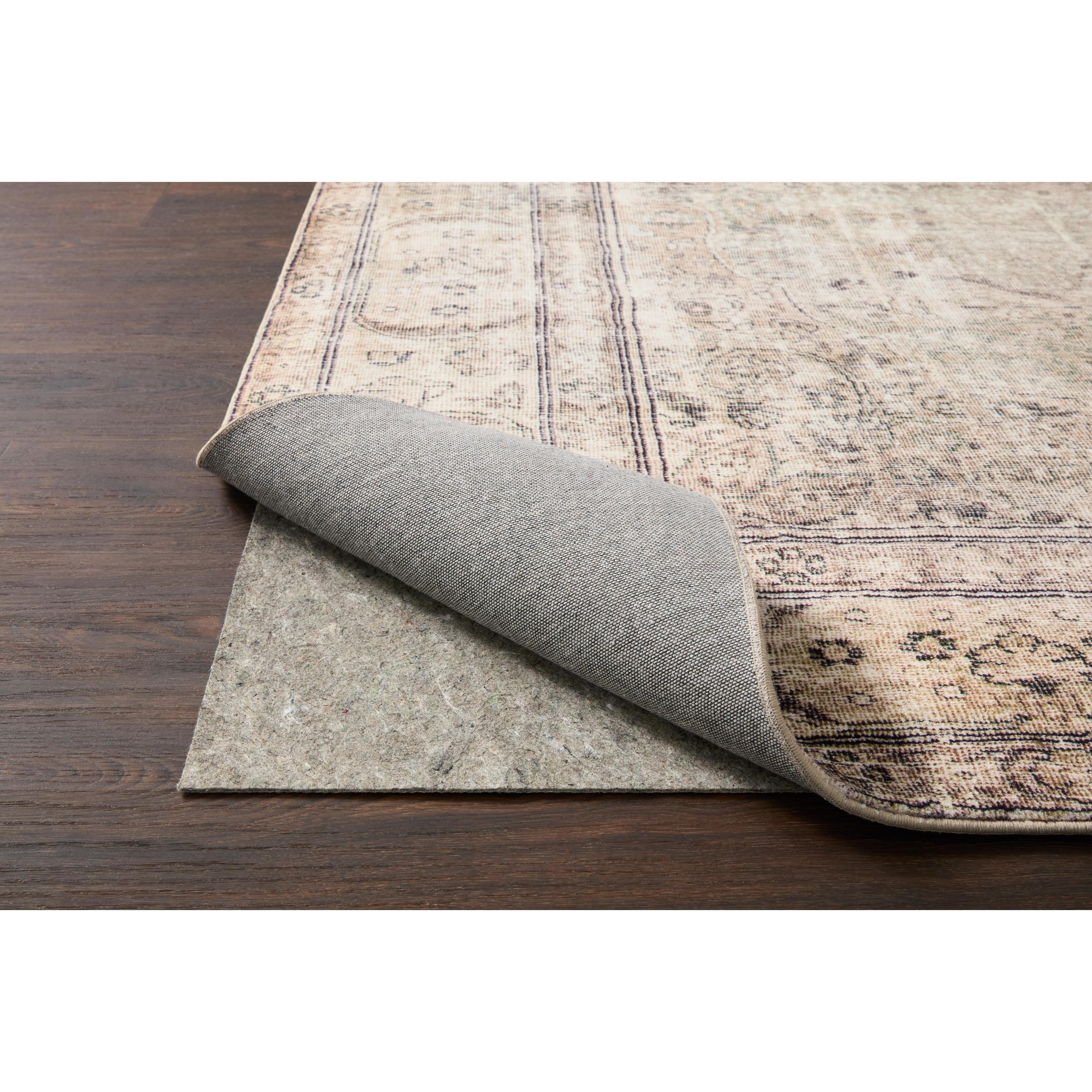
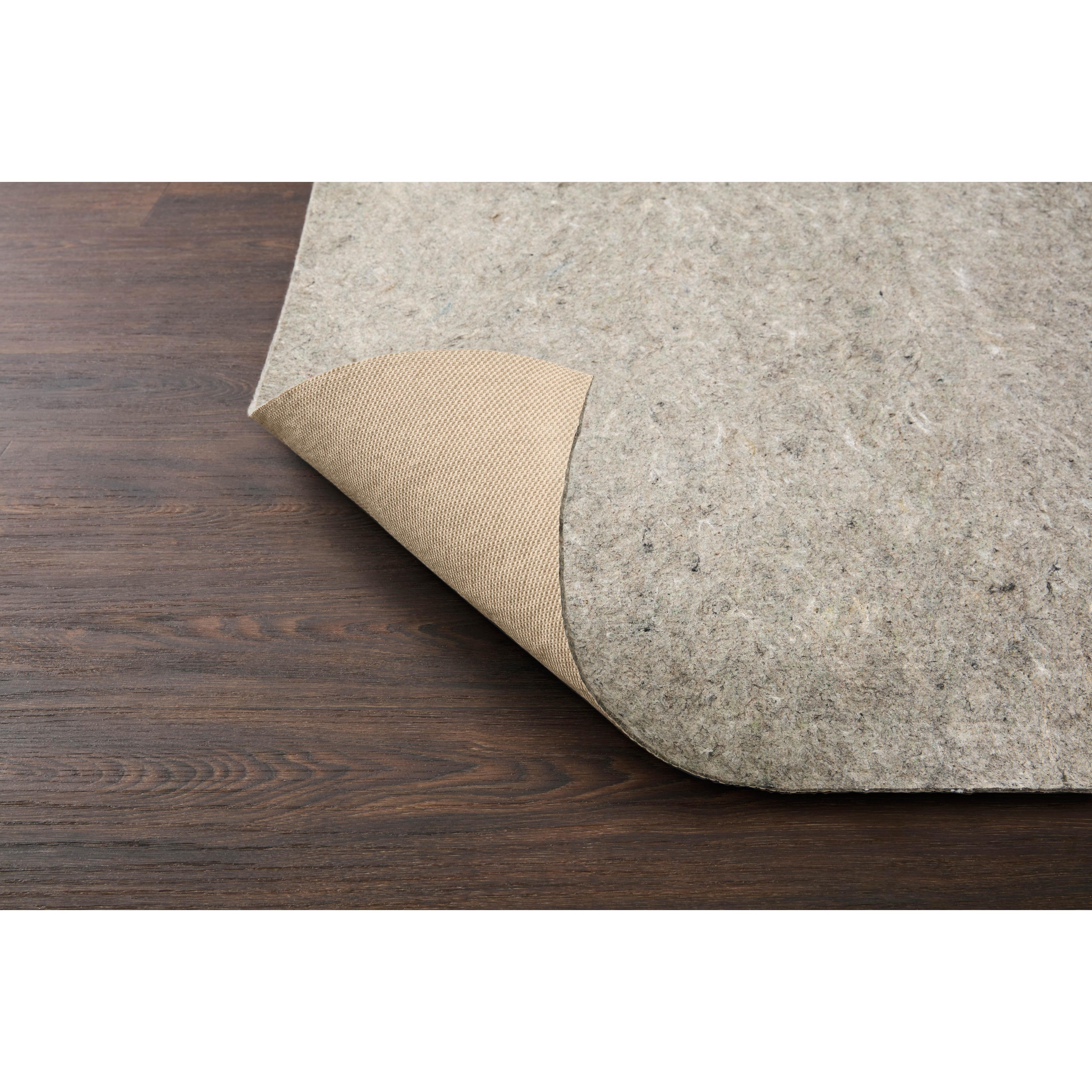
Do I really need a rug pad for my antique rug? Yes, a rug pad is a non-negotiable for any antique rug. It does much more than just prevent slipping. A quality pad provides a supportive cushion that absorbs the impact of foot traffic, which protects the delicate knots and foundation from friction and wear. It also helps the rug lie flat, prevents wrinkling, and allows for better air circulation, which is essential for the rug's long-term health.